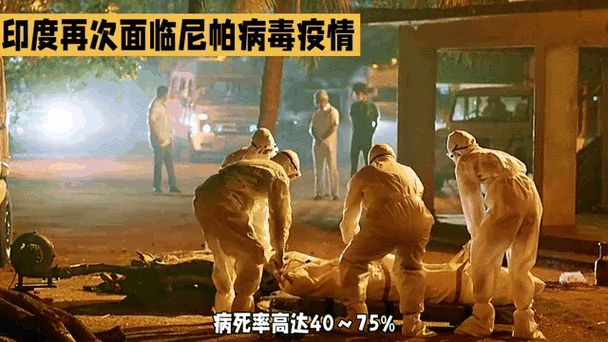
The recent outbreak of the nipa virus in india has caused concern. What's a nepa virus? Will it cause a larger outbreak? The journalist interviewed wang zhongwoo, a researcher of the chinese center for disease control and disease research。
Q: what is the nepa virus, what is its infectious and lethality rate
A: according to world health organization (who) published information, the nipa virus disease was first discovered and confirmed in malaysia in 1998 and has been reported mainly in parts of south asia for nearly 10 years。
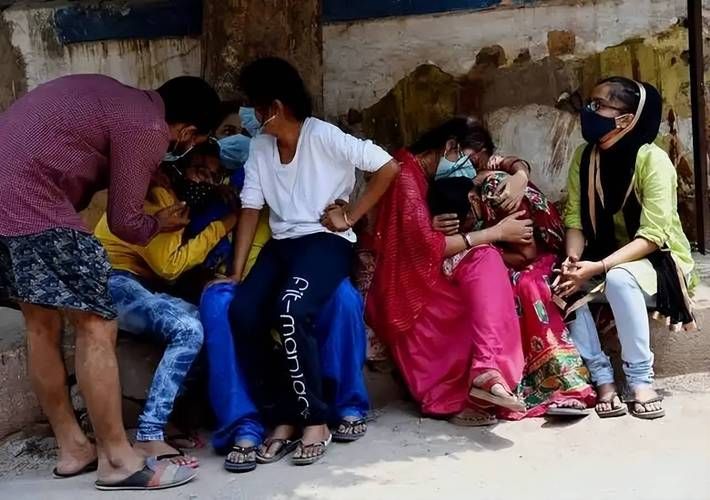
The nipa virus is a sub-adult, infects animals and humans, and is mainly found in the nuts in nature. Humans may be infected by direct human contact with infected animals or by eating food contaminated with their body fluids and excreta. In addition, close contact with infected patients or their body fluids can cause transmission. As a result, the interpersonal spread of the nipa virus has occurred mainly within families and medical institutions in cases。
Infection of a person with the nipa virus is mainly associated with symptoms of the nervous system and the respiratory system, usually for a period of 4 to 14 days. It usually results in acute respiratory symptoms such as fever, cough, respiratory difficulties, headaches, dizziness, changes in consciousness, epilepsy and even death. Deaths due to illness are estimated at 40 to 75 per cent. There are currently no specific drugs and vaccines for the disease, mainly clinically based on treatment。
Q: will the nipa virus epidemic affect my country
A: this outbreak of the nipa virus in india, mainly in the state of west bengal, does not border our territory. Moreover, the nipa virus is transmitted mainly through direct exposure to infected animals, patients and pollutants, where the environment is weak and the general population is less exposed to infection. The impact of the nipa virus epidemic in india has been assessed in a comprehensive manner to be relatively small。
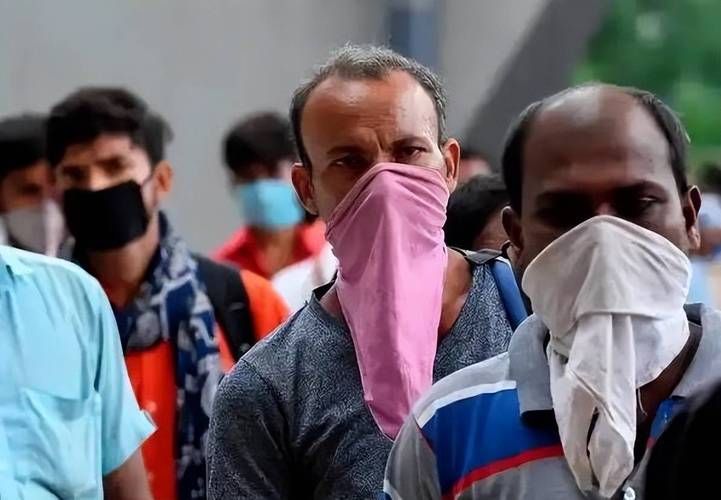
To date, there have been no cases of nipa virus disease in our country, but there is also a risk of imported from abroad, which requires increased prevention. In the aftermath of the nipa virus epidemic in india, our department of disease control closely monitors the dynamics of the epidemic abroad, conducts timely risk assessments, conducts training for professionals in medical and cdc institutions, and strengthens monitoring and detection, as well as educating and educating the general public in science in a timely manner to resolve doubts and lead to public scientific prevention。
Question: what are our plans to deal with the nipa virus
Response: our cdc has been following closely the development of the nipa virus disease and is continuously monitoring and controlling it. First, in 2021, the technical guidelines for the prevention and control of nipa virus disease were issued, regulating surveillance, reporting, detection, diagnosis, investigation and disposal, personal protection and disinfection。
Secondly, a nucleic acid detection method for the nipa virus has been established and an autonomous intellectual property rights nipa virus emergency nucleic acid detection reagent box has been prepared and stored. At present, the cdcs in the provinces have the capacity to test the nepa virus laboratory and to conduct timely testing and identification of the nipa virus。
Q: how can we cope with the risk of the introduction of the nipa virus
Response: control of non-controlled inputs to the nipa virus disease is predominant, enhanced detection in border areas and at border crossings, enhanced monitoring, preparedness for response in priority areas and populations, and continued strengthening of domestic monitoring early warning and emergency response capacity。
In the near future, persons travelling to countries where the nipa virus epidemic has occurred must be made aware of the disease, maintain good hygiene practices, take care of food hygiene, avoid exposure to animals such as bats and livestock, avoid exposure to the secretions, excreta, etc. Of patients or infected animals, avoid eating fruits and vegetables from unknown sources, and strictly prohibit the consumption of raw and untreated foods and drinks. If hemorrhages, headaches, etc. Occur in areas affected by the epidemic or following a suspicious history of exposure, medical treatment should be provided immediately and travel history and suspicious history of contact should be informed in order to facilitate timely diagnosis and treatment。