


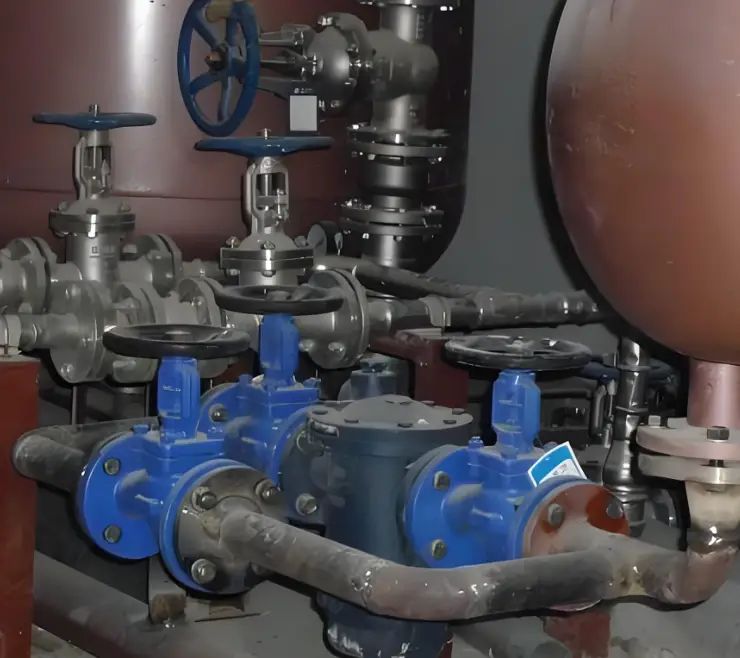
In a recent chemical plant project introduced by our partner in shandong zibo, a highlighted the issue of hydrophobic valves, which are in fact known as hydrophobics or drainage valves, which are specially designed to automatically release condensed water, air and other uncondensed gases from the steam system, while preventing vapour leakage. The application of hydrophobic valves in the petrochemical industry is crucial because they ensure the efficient operation and thermal efficiency of steam systems. In this paper, the northern koc valves will analyse in detail the working principles, the types and specific applications in the petrochemical industry。
I. The working principles of the water plume
The working principles of the hydrophobic valves are based on three main physical principles: density differentials, temperature differentials and variations. Based on these principles, hydrophobic valves can be divided into three broad categories: mechanical, thermostatic and thermodynamic。
Mechanical hydrophobic valves: such hydrophobic valves work with the density difference between condensed water and steam. The most common mechanical hydrophobic valves include free floats, free semi-floats, leverage floats and upside-down drums. For example, a free-floating water-diversion valve uses floating principles, which rises or falls depending on the amount of condensed water, automatically regulates the opening of the valve hole, discharges continuous condensed water, and when condensed water ceases to enter, the ball drops to the bottom, returns to the closing position, and discharges cease。
2. Thermal static-type hydrophobic valves: such hydrophobic valves are operated using the temperature differentials of vapour and condensed water. Temperature components (e. G., membrane boxes or bellows) expand or shrink due to temperature changes, thus boosting the valve to open or close. For example, the main action element of the membrane valve is the membrane box, which contains a liquid with a gaseous temperature lower than the saturated temperature of water and controls the valve switch through the expansion or contraction of the sensor element。
3. Heat-dynamic hydrophobic valves: such hydrophobic valves work on the basis of different thermodynamic principles of current speed and volume variations during the passage of vapour and condensed water. The valves generate different pressure differentials above and below and drive the valves to switch the valves. For example, thermal-powered hydrophobic valves, which are active valves, are both sensitive and action-executors, function by flashing vapour through the hydrophobic valve。
If you have some good personal resources in your local area or in an industrial park, you will be welcome as our partner, and you will win together. Plus north gorko valve
Ii. Application of water hydrographies in the petroperization sector
In the petrochemical industry, hydrophobic valves are widely used in various process processes, such as heaters, heat exchangers, steam pipes and heating systems. The principles and advantages of the hydrophobic valves in these applications are as follows:
1. Heating machines: in the petrochemical industry, heaters are often used for preheating materials or products. Water-diffic valves ensure the timely discharge of condensed water and prevent the internal accumulation of water in the heater, thereby maintaining heating efficiency and preventing damage to equipment。
2. Heat exchangers: heat exchangers are key equipment in petrochemical production for heat exchange. Water-diffic valves prevent the internal accumulation of water in heat exchangers and ensure heat-replacement efficiency through the timely discharge of condensed water。
Steam pipelines: the steam pipelines are the main conduits for the delivery of steam in petrochemical plants. Water drainage valves prevent the accumulation of water within pipes and reduce the risk of pipeline erosion and congestion。
4. Accompanying systems: thermal systems are used to maintain the temperature of cryogenic fluids and prevent condensation. Water-dipping valves ensure the timely release of condensed water from the corset system and maintain the stable operation of the system。
Iii. Selection and maintenance of water-drowsing valves
The selection of the hydrophobic valves shall be based on process conditions, working pressure, temperature and condensed discharges. The right selection ensures the efficient operation of the water-dipping valves, reduces steam losses and increases energy utilization. The maintenance of the hydrophobic valves includes periodic inspection, cleaning and replacement of damaged components to ensure their long-term stable operation。
Concluding remarks
The application of hydrophobic valves in the petrochemical industry is essential to ensure the effective operation of steam systems. By understanding the working principles and types of hydrophobic valves, engineers can select suitable hydrophobic valves for specific process processes, thereby increasing production efficiency and safety。
Select a professional valve team that is usually responsible for the best results, and as a well-known domestic valve branding enterprise, the north gokoko valve has always been based on professional technical guidance, high-end technical support, and good after-sales services to meet one-stop purchasing needs。



