


Thermal principles of graphite and their function
The graphite is a single layer of two-dimensional crystal structure consisting of carbon atoms. Its findings have not only attracted extensive attention from the scientific community, but have also demonstrated many new and interesting functions in many areas. One of these is the heat properties of graphite, which produces heat when added to the current or other form of energy input. This paper will discuss in detail the heating principles of graphite and their functions in various fields。
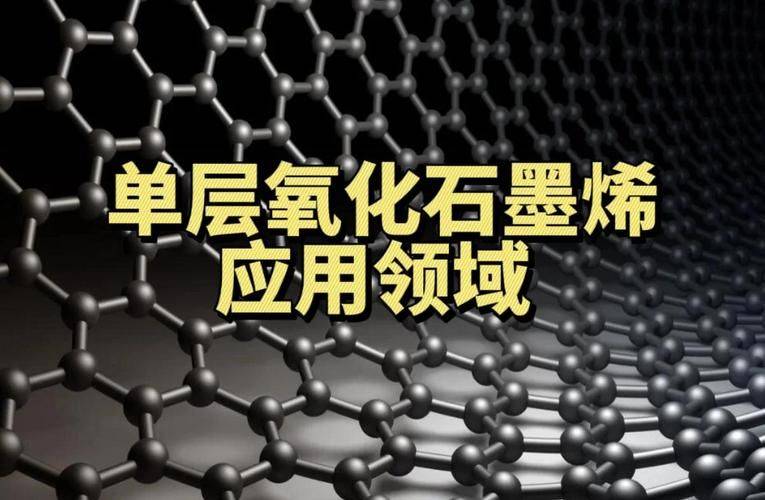
First, let's get to the structure of graphite. The graphite is a single layer of two-dimensional crystal formation of carbon atoms organized in hexagonal form, with each carbon atom linked to its immediate three carbon atoms by a co-priced key, forming a hexagonal crystal in beehive shape. This crystal structure gives graphite many unique physical and chemical properties。
Thermal principles of graphite are based mainly on electrical resistance to heating. When electricity flows through graphite, as graphite is a non-metallic material, co-priced keys between carbon atoms are very strong, and electronics are significantly hampered when moving within them. This results in relatively low resistance to graphite. According to the om law, when the current passes through a material, the material will convert the electrical energy into thermal energy through the joule law. Therefore, when the current passes through graphite, graphite produces heat。
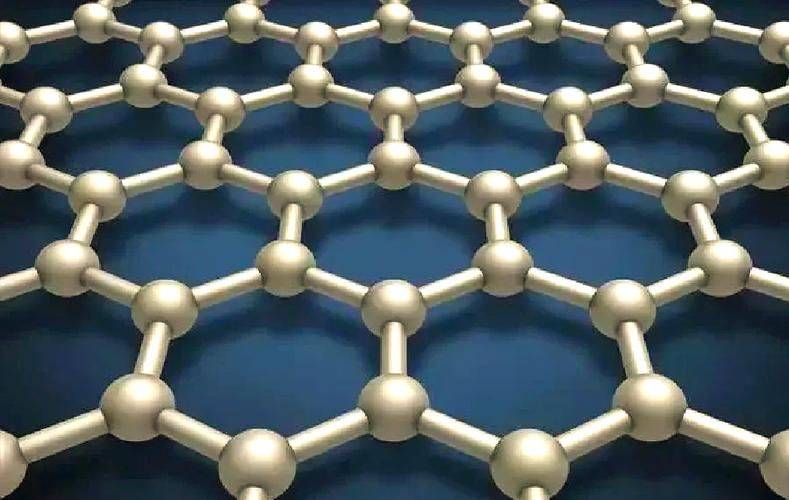
There are many unique characteristics of graphene in heat. First, thermal conductivity of graphite is very high and is about three times higher than that of other materials such as aluminium or copper. As a result, graphite can quickly and efficiently transfer the heat generated to the surrounding environment to maintain its own stable temperature. In addition, thermal capacity of graphite is relatively small, which means that the temperature of graphene increases faster than other materials when entering the same heat。
Thermal properties of graphite offer new possibilities for its wide application in various fields. The following are some of the functions and applications of graphite in different fields:
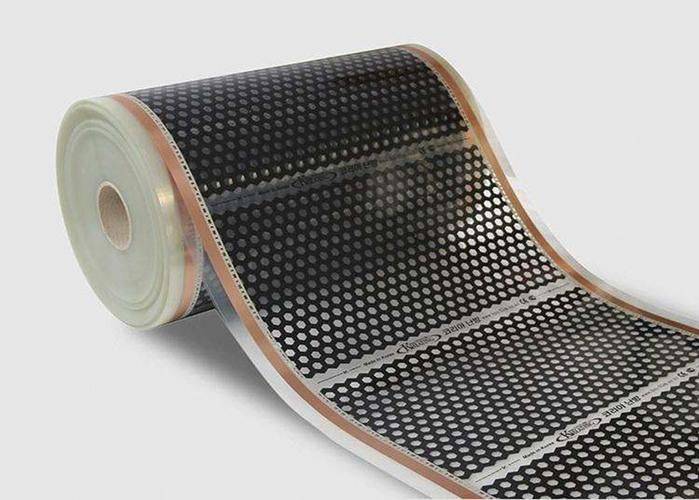
Electrical heaters: graphite can be applied in electro-heaters because of its high electrical resistance. For example, products such as graphite-heated mats and heat-heated clothing can keep the human body warm by heating with electric currents. Biomedicine applications: thermal properties of graphite are applied in biomedical fields. For example, graphite nanometer tablets can be injected into the oncology tissue and then heated with additional currents to achieve thermal effects. Sensors: the high sensitivity of graphite makes it an ideal material for various sensors. By using thermal properties of graphite, high sensitivity temperature, humidity or pressure sensors can be created, etc. Energy storage: due to graphite electro-resistance heating, it can be applied to heat storage units. Graphite is used as a heat storage material to provide thermal energy by converting energy into heat and storing it and releasing it when needed. Soft electronics: the monolayer structure of graphite makes it very flexible and can bend and stretch without breaking. This makes it ideal material for soft electronics, such as curved screens, wearable devices, etc。
In summary, graphene is a material with wide application prospects, and its heat properties make it unique in all fields. Thermal principles of graphite are based on electrical resistance to heating, high heat conductivity and smaller heat capacity. Thermal properties of graphite can be achieved through the application of graphite to areas such as electro-thermal, biomedical, sensor, energy storage and flexible electronics, thus bringing new breakthroughs in modern science and industry。



