


On 28 may, in the polystyrene production workshop of anhui source chemical group ltd., the deputy director of the workshop, liang liang, had no pride in holding the latest statistical form: “in january, the production of polystyrene was still around 1,000 tons, and in may it had exceeded 5,000 tons! Our product intensity, perforation, etc. Are industry-led and market recognition continues to rise.”
What's polystyrene? Leung ken, a thermoplastic resin made of styrene by polymer reaction, is now widely used in the areas of food packaging and home electricity manufacturing. "maybe there's our product in your fridge." liang jianhu said。
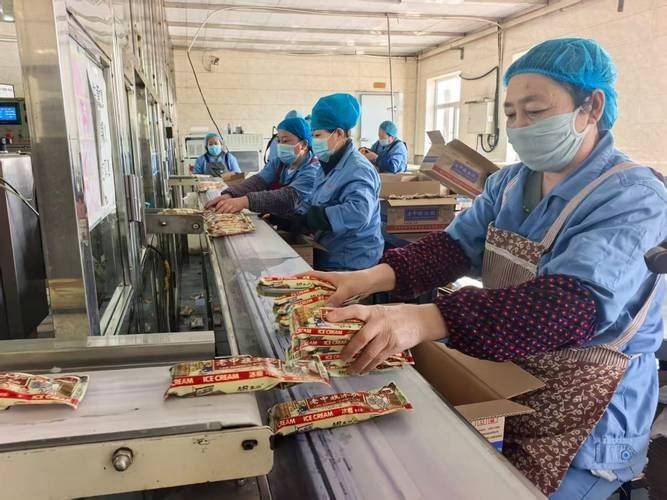
The styrofoam chemical workers originally had a styrene production line with an annual capacity of 260,000 tons. In 2021, the consortium built on its strengths to extend the industrial chain, initiate the polystyrene project and proactively embrace the new market。
Journalists at the xps site observed that the polystyrene production line was closely adjacent to the vinyl styrene core, that the enterprise's own styrene raw materials were delivered through a pipeline to the polystyrene raw materials tank, and were assembled through six reactor units, which were automatically packed with particles, resulting in “zero transfers of raw materials, zero production breaks”。
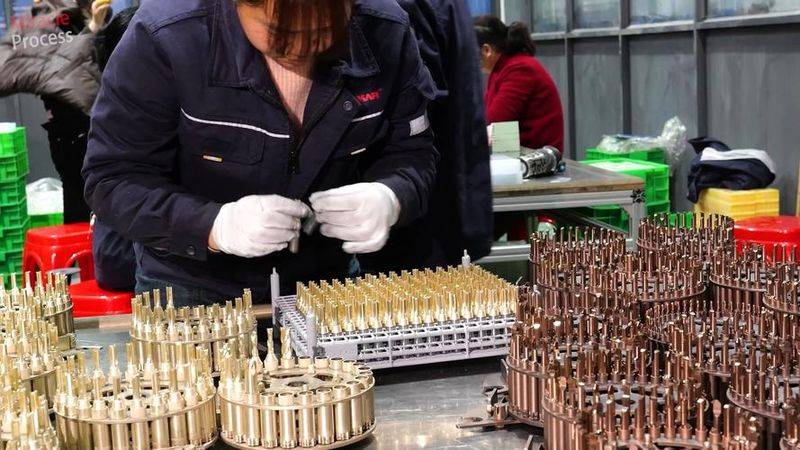
Liang jian, there are currently two polystyrene production lines for thallium chemical workers, producing 525 and 535f polystyrene products, respectively. Of these, 535f polystyrene was repeatedly tested, debugged and upgraded by group technical teams and korean expert teams。
“we tested nine times before and after the samples were delivered to the customer, and made two adjustments to the client's needs.” a recent comparison of product performance analysis in leung's mobile phone shows that 535f polystyrene stretch strength, shock intensity, ophthalmity, mist are superior to competition. "that's why more and more big cards choose us." liang jian said。
In an experimental building next to the production line, six microreactors are simulating thermal stress stability of the mass-producing environment test product. “thermal stress meets the standards to ensure that the product remains unchanged in the context of large temperature differentials.” liang jian, r & d teams optimize process processes to their optimal state through repeated experiments to ensure product performance stability。
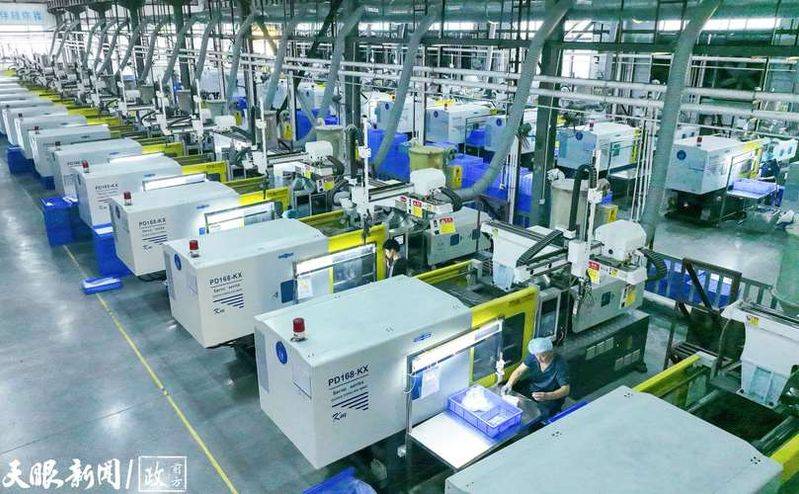
From styrene to polystyrene, the styrene chemical industry is “technology chain”-driven “industrial chain” to achieve a product-energy leap forward and, at this point, the enterprise is preparing to further expand its capacity and continue to leapfrog the high end of the new chemical material race。
All media reporters, li fangda, correspondent, zhou zing



