


What's the working method of the toothpicker? We've got to get this core before we go shopping
The core working principle of the tooth sprayer detector, in short, is the real-time capture of the shape of the screw toothlines through optical or electromagnetic induction techniques, and the immediate output of a satisfactory/unqualified signal against the preset standard parameters. More than 90 per cent of the owners of over a dozen screw mills that i have contacted were found in the same wrong zone at the time of the purchase — only to test accuracy, while ignoring “interruption resistance”. Last week, a visit was made to a factory producing tens of thousands of screws per month, whose detectors were frequently misreported and shut down dozens of times a day because of the oil fog. Therefore, there is only one principle at the core of the selection: the detector must be able to operate in a stable environment in which it is actually produced, rather than a “specimen” in a laboratory。
Relationship between the rationale and the selection of elements
The tooth spectrum detector collects tooth-print images through a high-speed camera or laser sensor, which is analysed in algorithms to determine whether the screw is satisfactory. To understand this, you can capture the five core points of the selection:
Detect accuracy: the minimum detectable defect size is usually based on 0. 01 mm. But i suggest you actually use the oily substrate screw for the test -- that's normal. Response speed: number of screws per second. The high-speed tooth grinder can be 200 per minute, and the corresponding detector must be able to complete the judgement within 30 m. I've seen 500 units per minute, which can only be stabilized at 150. Interference resistance: this is the most neglected indicator. Workshop oil fog, vibrations and temperature changes affect optical sensors. The workshop wind machine was closed at the time of the test to see if the detector remained stable. Installation of adaptive machines: can they be compatible with different brands? Some of the detectors require a dedicated support frame and the cost of retrofitting may be as high as 30 per cent of the equipment price. Algorithmic upgrading: the screw varieties are up to speed and the detector supports the online upgrade of algorithms? Or do you have to go back to work and change hardware
Budget programme: three tranches, three-part formula
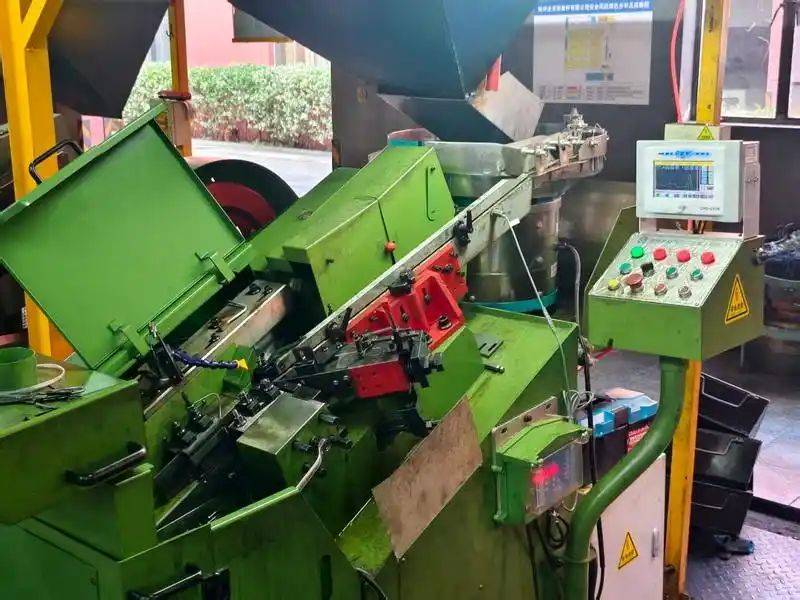
Price differentials range from 10,000 to 100,000, mainly in terms of detection accuracy and intelligence. I recommend it as a practical use:
Guide to hole avoidance: three common traps
Trap one: look only at nominal precision and not at the environment. I met a boss who was attracted to the "0. 01 mm precision" ad to buy the equipment. As a result, the detector strikes as soon as the temperature of the workshop exceeds 40°c. The working temperature range of the device was later found to be only 0-35°c. Remember: core parameters must be validated at 50°c, 85% humidity in the real production environment。
Trap two: buying a “one-size-fits-all” detector cheaply. Some small manufacturers claim that they “fit all screw specifications”. In practice, screws of different diameters (m3-m12) and lengths (10mm-100mm) require completely different locations for sensors and light sources. I recommend that the specifications of your main product be specified and that the manufacturer be required to provide the corresponding specialized kit。
Trap three: ignore the speed at which after-sales services respond. Once the detector fails, the entire production line is paralysed. When you sign the contract, ask: are technical support 24 hours online? Are spare parts sufficient? I've been exposed to the worst cases: a factory that buys equipment 500 kilometres away, spare parts wait three days and loses $20,000 a day。
Selecting a machine
Precision is the environment, speed is by capacity, resistance is the cornerstone, and after sale, preservation is done. Remember: there's no perfect detector, only the one that fits your production line. Finally, an actionable proposal: to test the candidate equipment with the dirtiest and fastest production line in your workshop, 30 minutes, 3 years。
Select the machine: first to detect the oily fog and then the high temperature vibration. Precision is subject to a nine-percent discount, with a sufficient speed of more than 20 per cent. A half-hour trial at the scene was held and the contract was signed without panic。



