


Functional information on car exhausts
One of the main functions of silencers is to control emissions and keep engines silent. The emissions system extends from the front of the engine to the back of the vehicle. The vents are connected to the gas tank cap and the exhausts are launched。
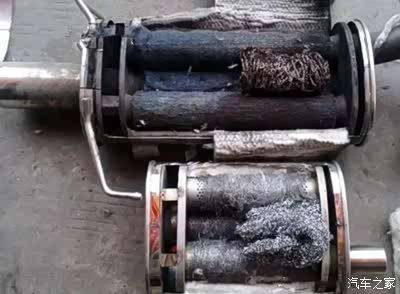
When gas flows through the exhaust system, they are analysed through oxygen sensors, refined through catalytic converters within the venting device, and the sound is silenced. When the gas leaves the vehicle, the emission system makes the vehicle more smooth, cleaner and quieter。
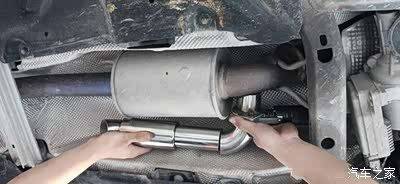
For turbine pressurizers, the turbine pressurizers are exported from the turbine pressurizer to the open vent. Turbo pressurization systems are usually produced as vehicles with turbine pressors with enhanced after-sales performance. Some turbine return systems have replaced inventory catalytic converters to provide fewer movement restrictions. In order to keep your car smooth, quiet and efficient, it is important to check the exhaust system at least once a year。
Common signs of wear and tear
Discrepancies and gaskets: cracks or small holes may result in vent leaks that affect safety, performance and noise. Oxygen sensors: fracks, damaged wires or blocked gas vents may lead to incorrect fuel/air mixture adjustments and poor fuel economy。
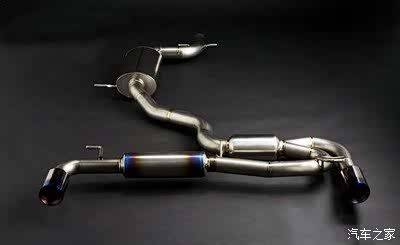
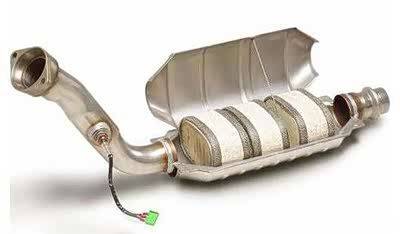
Catalyst converters: overheat, dim, congestion or corrosive can lead to air pollution, excessive noise and rough air rotation. Pipelines, hangers, traps and support racks: excessive rust or bolt fractures may lead to a dangerous reduction of exhaust components, thereby endangering other road users。
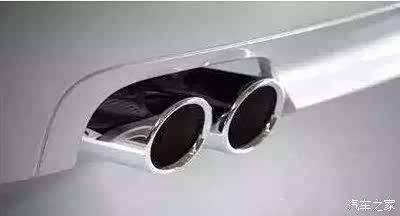
The functions of the exhaust component are as follows:
The vents allow engine gases and heat to flow into the exhaust system catalytic converters to reduce the pollutant resonators and silencers in emissions of exhaust gases and reduce the noise of various pipe configuration connector components, including exhaust tails
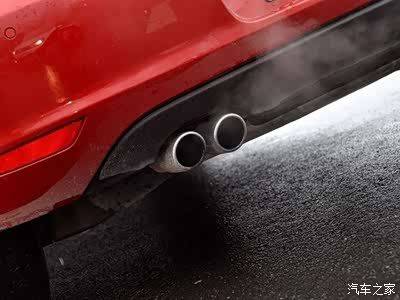
The main exhaust components were designed for long periods of time, but there was no way to predict their real lifetime. This is because they are affected by many factors that affect durability. They are mainly made of metals and are easily corrosive because they are at very high temperatures。
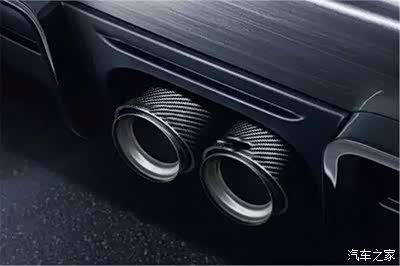
Dry corrosive gaskets allow corrosive gases to penetrate and slow down the catalytic converters, as manifested in rotting egg/sulphur scents. You may hear blowing noise if the venting plume gives way. The vents should be periodically checked and the rocks checked for corrosion or impact damage to the speed belt or general road debris。



