


The erp system rationale and application course will explore in depth the rationale, application and application of the enterprise resource plan (erp) system。
The course introduction and the learning objectives of the course are informed by the development history, core concepts and basic functions of the erp system. Master the main modules and applications of the erp system. Knowledge of erp implementation methods and key steps. Learning objectives have a basic understanding and application capability for erp systems. Participation in the implementation and management of erp projects. Upgrading information management in enterprises。
The development history of erp1 emerged from the mrp. Development of the manufacturing resources programme (mrpii) in the 1970s. 3 enterprise resource plan (erp) emerged in the 1990s. Emerging patterns such as cloud erp in the 421st century and mobile erp have emerged。
From mrp to mrpii to erpmp only focus on production plans and material management. Mrpii is extended to production, finance, human resources etc. Erp integrates all critical business processes of the enterprise and achieves information sharing。
The definition and characterization of erp is the acronym of the enterprise resource plan and an integrated information system for managing the enterprise's core business processes. Characteristic integration: integration of all critical business processes of the enterprise. Real-time: provide real-time information to support policy analysis. Extension: extension and customization can be tailored to business needs。
The basic functional plan of the erp system and control of production plans, inventory management, sales forecasting. Financial management general ledger, accounts receivable/payable, cost accounting. Hrm information, payroll, training and development. Supply chain management procurement, inventory, logistics, vendor management。
The erp system architecture design 1 application level user interface provides operational functionality. 2 business logical layer processes business rules and data logic. 3 data layer storage of enterprise-owned business data. 4 database layer managed data storage and access。
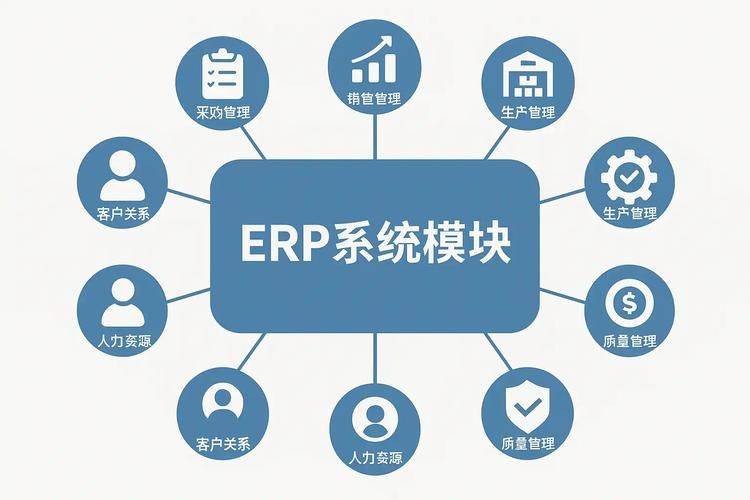
The modules of the erp system comprise core modules on financial accounting, supply chain management, production planning and management, and human resources management. Extension modules on customer relationship management, project management, quality management, warehouse management, asset management。
The master data management overview of master data management is an important foundation in the erp system, which provides a unified and accurate data base for all business modules. Main data refer to core data that cut across all business processes of the enterprise, such as material, suppliers, customers, etc。
Material master data management material numbers are uniquely marked material for systematic identification and management. Name of material, easy to identify and search. Material specifications describe the size, colour, material, etc. Of the material. Units of measure of materials in units such as tons, kilograms, rice, etc. The unit cost of inventory cost material is used to calculate inventory value。
The vendor master data management vendor number is uniquely identified for systematic identification and management. The name of the supplier is easy to identify and search. Contact information on the telephone, address, e-mail, etc. Of the contact provider. The manner and duration of payment by the supplier of the payment terms, such as cash, cheques, bank transfers, etc. Credit lines for suppliers of credit lines are used to control procurement amounts。
Client master data management client numbers are uniquely identified and used for system identification and management. The name of the customer is easy to identify and search. Contact information for clients by telephone, address, mailbox, etc. Credit lines for customers are used to control sales. The manner and duration of payment for clients in payment mode, such as cash, cheques, bank transfers, etc。
Procurement applications for the procurement and supply chain management module are managed to create procurement requests and record demand information. Purchase orders are processed to generate purchase orders and contract with suppliers. The receiving and inspection management manages the receipt, quality and acceptance of materials. The supplier appraisal system evaluates supplier performance and builds long-term partnerships。
The procurement request management requirement presents the procurement requirements of the departments and completes the request for procurement. Applications for approval and approval of applications by the procurement department are processed. The summary of requirements will consolidate approved procurement requests。
The purchase order handles material purchase numbers, names, specifications, quantities, etc. Vendor information supplier number, name, contact details, payment terms, etc. Delivery time requires delivery date by the supplier. Method and duration of payment negotiated with supplier。
The receipt and inspection management receives the material in accordance with the purchase order, checking the quantity and packaging. The material received is tested for quality tests to confirm compliance. The contents are tested and the recording system is integrated into the management of the library。
Proportion of vendor delivery on time by vendor appraisal system delivery rate. 1 level of product quality provided by product quality suppliers. Price advantages and cost control capabilities of price-competitive suppliers. 3. Communication, responsiveness and quality of service providers. The cooperative attitude and long-term potential of cooperative suppliers. 5
Movement of inventory and inventory management module inventory and inventory recording material into and out of storage, redeployments, etc., are performed for periodic inventory counts. Batch management and validity control of batch information for tracking material and its duration and quality. Repository management and warehouse layouts manage warehouse allocation, optimize warehouse layout and improve efficiency。
Inventory movement and inventory 1 material is received from the supplier, stored and registered. 2 the inventory is updated to update inventory records based on production or sales requirements. Transfer of materials between warehouses and update of relevant inventory data. The inventory is periodically or irregularly counted at 4 counts to check actual inventory and system records。
Batch management and validity control of batch numbers to mark the production of materials for retroactive and management purposes. The date of production records the date of production of the material, which facilitates tracking and management. The validity period is marked to prevent the use of obsolete products. Inventory status records inventory status of material, e. G. Normal, obsolete, end-of-life, etc。
Storage management and the allocation of storage space to warehouse locations are based on material characteristics, stock levels and frequency of demand. Warehouse layout optimizes warehouse layout, improves material flow efficiency and saves space。
Production plans and management module production orders are created and processed on the basis of sales orders or production plans, creating production orders and arranging production processes. The material demand plan (mrp) calculates the quantity of material required and the procurement time based on production orders. The main production plan (mps) establishes the production plan and determines the quantity and time of production. The productive capacity initiative (crp) assesses productive capacity, balancing production loads and preventing capacity bottlenecks. Workshop operations are planned to organize workshop operations, allocate production resources and control production progress。
Production orders are created by creating and processing orders based on sales orders or production plans. Material requirements are based on production orders to calculate the quantity of material required and the procurement time. Production plans plan for production processes, production time and production resources. Production is carried out in production implementation workshops to update production progress in real time. Completion tests test completed materials to confirm eligibility。
The material demand plan (mrp) material demand plan (mrp) is the planned tool for calculating the quantity of material required and the procurement time, based on production orders. It can help enterprises to set procurement times and ensure that the materials needed for production are in place in a timely manner。
The main production plan (mps) is the main production plan (mps) which is a planning tool for the production of products and for determining the quantity and timing of production. It can help enterprises coordinate production plans and ensure that market demand is met。
Productive capacity initiative (crp) crp) is a planning tool for assessing productive capacity, balancing production loads and preventing bottlenecks. It can help enterprises to optimize their production arrangements and improve their productivity。
The workshop schedule is a planned tool for arranging workshop operations, allocating production resources and controlling production progress. It can help enterprises to improve the efficiency of their production in workshops and reduce production costs。
Quality control module quality test specifications establish product quality testing standards and processes. Unqualified processes are defined as disposal methods for substandard products, such as back-to-work, end-of-life, etc. Qc records and retroactive records of quality testing processes and results, facilitating traceability and analysis。
Quality test norms and quality test norms develop guidelines for product quality testing standards and processes based on product characteristics and quality requirements. It can help enterprises to ensure product quality and improve client satisfaction。
Unqualified product-processing processes are those that define substandard products, such as back-to-work, end-of-life etc. It can help businesses to deal effectively with substandard products and reduce quality losses。
Qc records and retroactive qc records and retroactive records are tools for recording quality testing processes and results, which facilitate tracing and analysis. It can help enterprises analyse product quality issues and develop improvements。
The sales and customer management module handles the receipt of customer orders, conducts order validation and confirmation. Delivery and logistics management arranges delivery, tracks logistics distribution progress and ensures timely delivery. Customer relationship management maintains customer relations, provides client services and enhances client satisfaction. Sales forecasts and analyses analyse sales data, predict future sales trends and develop marketing plans。
Sales orders are processed with the sole identification of the customer order to facilitate identification and management. Customer information customer number, name, contact information, etc. Product number, name, quantity, price, etc. Ordered in product information. Delivery time required by the customer. The manner and duration of payment of clients in the form of payment。
Delivery and logistics management 1 orders confirm sales orders and arrange for shipment preparation. 2 delivery arrangements select logistics modalities and schedule delivery times and routes. Logistics tracks the progress of logistics distribution in real time to ensure the safe delivery of goods. 4 sign-in confirmation of customer receipt and receipt of goods and completion of logistics distribution process。
Customer relationship management (crm) is a tool for maintaining customer relations, providing client services and increasing client satisfaction. It can help enterprises to collect customer information, understand customer needs, provide personalized services and build long-term partnerships。
Sales forecasts and analysis of sales forecasts and analyses are tools for analysing sales data, predicting future sales trends and developing sales plans. It can help enterprises anticipate market demand in advance, develop sound marketing strategies and improve their sales performance。
The financial accounting module manages all financial accounts of the enterprise and records all financial transactions. The accounts receivable management manages the payments due from clients and tracks the progress of refunds. Accounts payable management manages payments due from vendors and tracks the progress of payments. Cost accounting calculates product costs, analyses cost structures and increases cost control efficiency. Asset management management enterprise fixed assets, recording asset information and tracking depreciation of assets。
General ledger management is the core function of managing all financial accounts of the enterprise and recording all financial transactions. It helps enterprises to gain a comprehensive picture of their financial position, detect financial problems in a timely manner and manage financial management effectively。
Accounts receivable management is a tool to manage the payments due from clients and to track the progress of refunds. It can help enterprises to become more efficient in their repayments, reduce bad debts losses and safeguard their financial security。
The accounts payable management accounts payable management is a tool to manage vendor payments and track the progress of payments. It can help enterprises pay for goods in a timely manner, maintain good supplier relationships and reduce financial risk。
Cost-accounting is a tool for calculating product costs, analysing cost structures and improving cost-control efficiency. It can help businesses understand the cost composition of products, find space for cost savings and improve profitability。
Asset management is a tool for managing the fixed assets of the enterprise, recording asset information and tracking depreciation of assets. It can help businesses to understand the status of assets, develop asset disposal plans and improve the efficiency of asset utilization。
The organizational structure of the human resources management module manages the organizational structure of the enterprise and establishes departments, posts and posts. Personnel information management manages staff personal information, including names, positions, salaries, etc. Pay administration calculates staff salaries, pays salaries and manages pay benefits. Training and development develop staff training plans, manage training courses and upgrade staff skills。
The management of the organizational structure is the core function of managing the organizational structure of the enterprise, with departments, posts and posts. It can help enterprises to establish clear organizational structures and improve management efficiency。
Information management for personnel information managers is the management of staff personal information, including names, positions, salaries, etc. It can help enterprises to establish complete staff records and facilitate personnel management。
Payroll management is a tool for calculating staff salaries, providing salaries and managing pay benefits. It can help enterprises to improve the efficiency of pay management and safeguard employee rights。
Training and development is a tool for developing staff training plans, managing training courses and upgrading staff skills. It can help enterprises improve their staff quality and enhance their competitiveness。
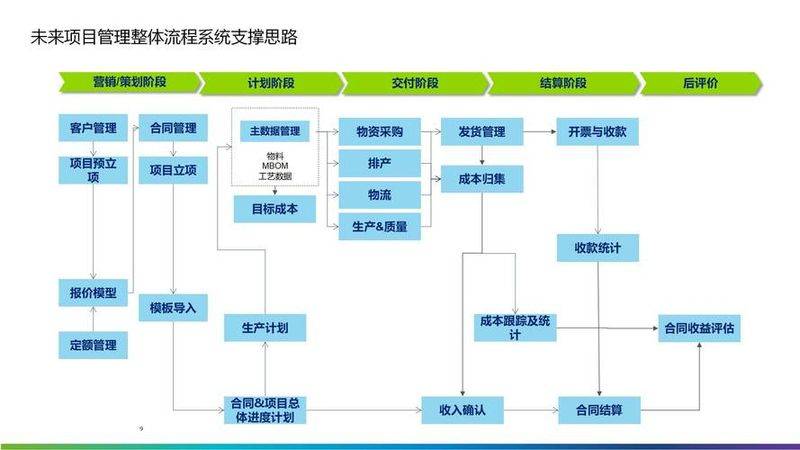
Project plans and controls for the project management module develop project plans, track project progress and control project risks. Project cost management manages project budgets, controls project expenditures and improves cost-effectiveness. Project resources are allocated to projects, project members are coordinated and project efficiency is enhanced。
Project plans and control project plans and controls are tools for developing project plans, tracking project progress and controlling project risks. It can help enterprises to manage projects effectively and ensure that they are completed on time。
Project cost management project cost management is a tool for managing project budgets, controlling project expenditure and improving cost-effectiveness. It can help enterprises control project costs and improve the profitability of projects。
The allocation of project resources is a tool for allocating project resources, coordinating project members and improving project efficiency. It can help enterprises to make efficient use of project resources and improve the efficiency of project implementation。
The erp system implementation methodology is a framework and step to guide erp implementation, which can help enterprises to implement erp effectively and achieve the desired results。
Erp project management erp project management is a tool to manage the erp system implementation process and ensure that projects are completed on time and on budget. It can help enterprises to effectively control project progress and risks and ensure the successful implementation of erp projects。
The needs analysis and blueprint design needs analysis and blueprint design are based on the business needs of the enterprise, and the erp system blueprint is designed to determine the system functions and modules. It is an important basis for erp implementation, ensuring that the system meets the actual needs of the enterprise。
The system configuration and development system configuration and development process is based on the system blueprint, the system configuration and development, and customization of system functionality and processes. It is a key element in erp implementation, ensuring that the system meets the actual needs of the enterprise and business processes。
The data migration strategy is a strategy for migrating existing data from enterprises to erp systems, which helps enterprises to ensure the accuracy and completeness of data and the smooth access of erp systems。
The user training programme is a plan to provide training for enterprise users in the use of erp systems, which will help them to become familiar with the system's functionality, master the process and improve the efficiency of its use。
The system testing programme is a system testing plan that validates system functionality and performance and ensures system stability. It is an important link in erp implementation and ensures that the quality of the system meets the requirements。
The system go-live and switch-over system go-live and switch-over is the formal process of operationalizing the erp system, which requires data synchronization, user training, system monitoring, etc. To ensure a smooth transition of the system。
Erp implementation of erp implementation risk management is a strategy to identify potential risks in erp implementation and develop risk response measures to ensure successful project completion. It can help enterprises to effectively manage risks and reduce the likelihood of project failure。



