This is the foreword of china’s history in little ancient。
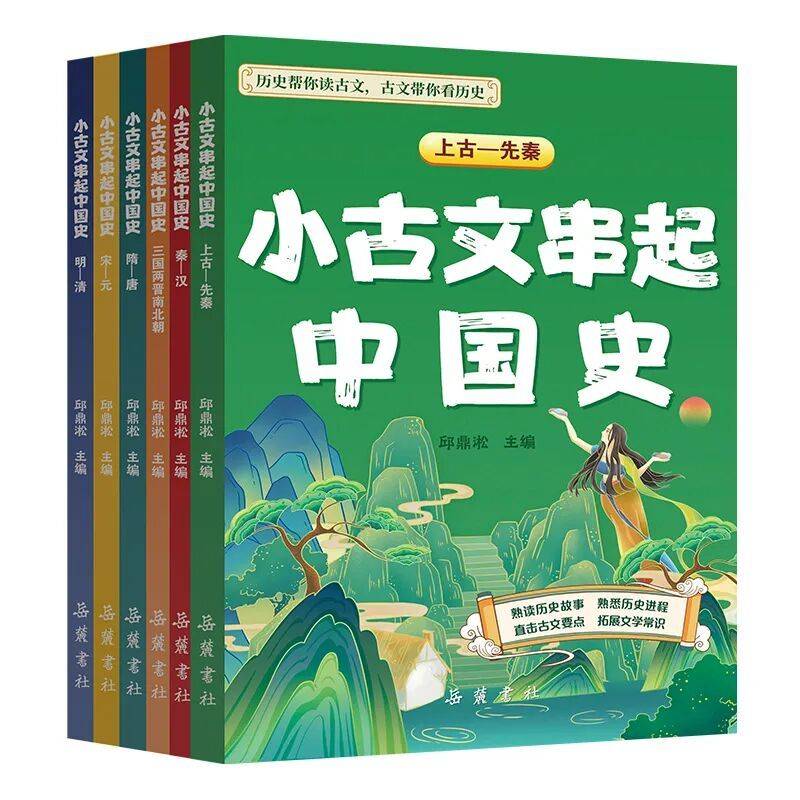
"the history of china" by little guo, published by the book club yue
My country has a long history and a long history, from the conspirators of about 1. 7 million years ago to the beijingers of about 700,000 to 200,000 years ago, from the ancient legends of the three emperors to the summer week, from the reunification of qin han to the prosperity of tang song, to the development of ming and the gradual decline of the late era, to the historical transformations from the primitive, slave and feudal societies. Not only does it carry the genes and blood of the chinese nation, but it also highlights our deep cultural soft power。
By reading history, children, on the one hand, can learn a wealth of political, economic, cultural, scientific and technological knowledge, broaden their knowledge, improve their interdisciplinary thinking and learning skills and increase their knowledge of the world, and, on the other hand, learn from the wisdom and experience of their predecessors and recognize the regular and cyclical nature of history in order to better face the complex and changing social environment of the future. In addition to this, history can develop children's critical thinking skills and enable them to look at issues from multiple perspectives and dimensions by analysing and assessing different historical events and figures. History can also enable children to build a sense of identity and a sense of historical responsibility towards chinese culture and contribute to the country's future development。
As far as history is concerned, the ancient texts of the previous five-and-four movements are referred to in general terms as ancient and are closely linked to history, not only as vehicles of history, but also as an important instrument of cultural heritage, including ancient ideas, art and science. Reading and learning ancient texts allows for a deeper understanding of history, of traditional cultures, of the context of historical events, their history and their implications for future generations. Many of the ancient texts are themselves masterpieces of literature and art, which occupy an important place in the history of literature and have a profound impact on the creation of literature in future generations。
In the language learning stage of primary and lower secondary schools, classical is a very important element, but due to differences in linguistic culture, vocabulary, grammar structure, etc., most children do not want to learn it, often do not understand it, and do not have to cope with the examination by dying on the back and not eating the dates。
Since history is closely linked to ancient texts, it is better to combine history with ancient texts, so that children can read historical stories while they learn them, which are mutually reinforcing, interdependent and mutually supportive. Reading history, understanding the historical and cultural background of ancient texts, better grasping them, learning them, and helping children to identify their trueness and trace them。
It is from this perspective that china's history is being developed in order to help children learn about chinese history, grow knowledge, improve their reading skills, and at the same time read history, so that they can truly make progress through a “written history combination”。
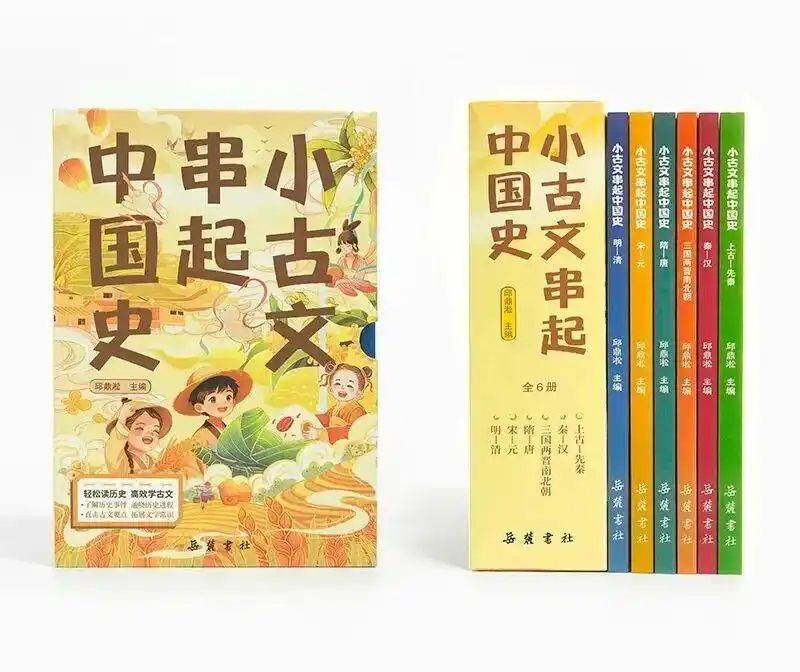
In a series of six volumes, the authors described the history of the times of ancient legends, summer trades weeks, qin han, the three north-south dynasty, zhong tang, song, liaoxiakin, yuan, myung and ching, in general according to the order of the generations of china。
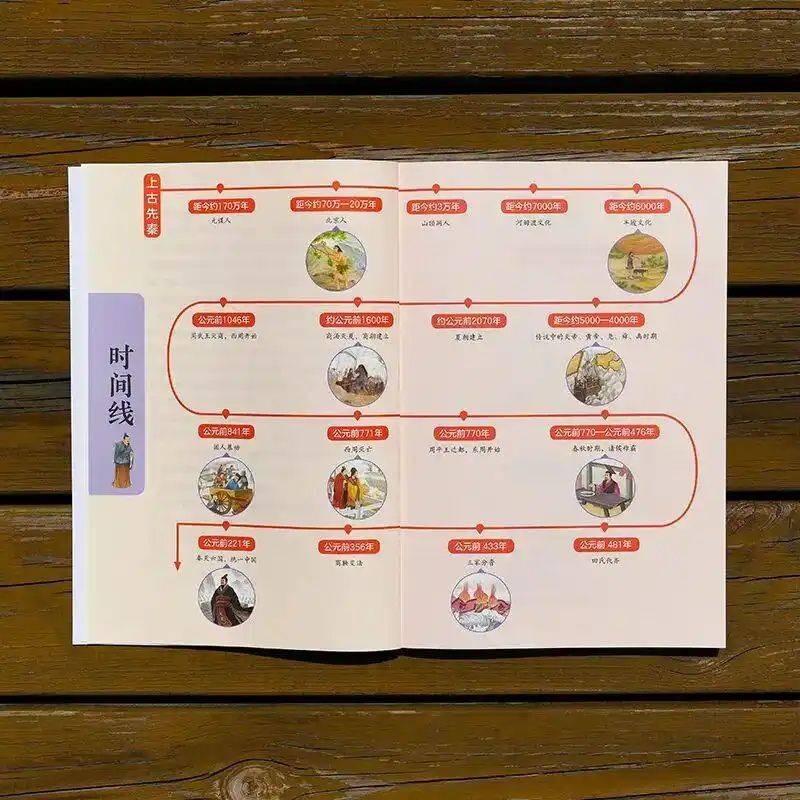
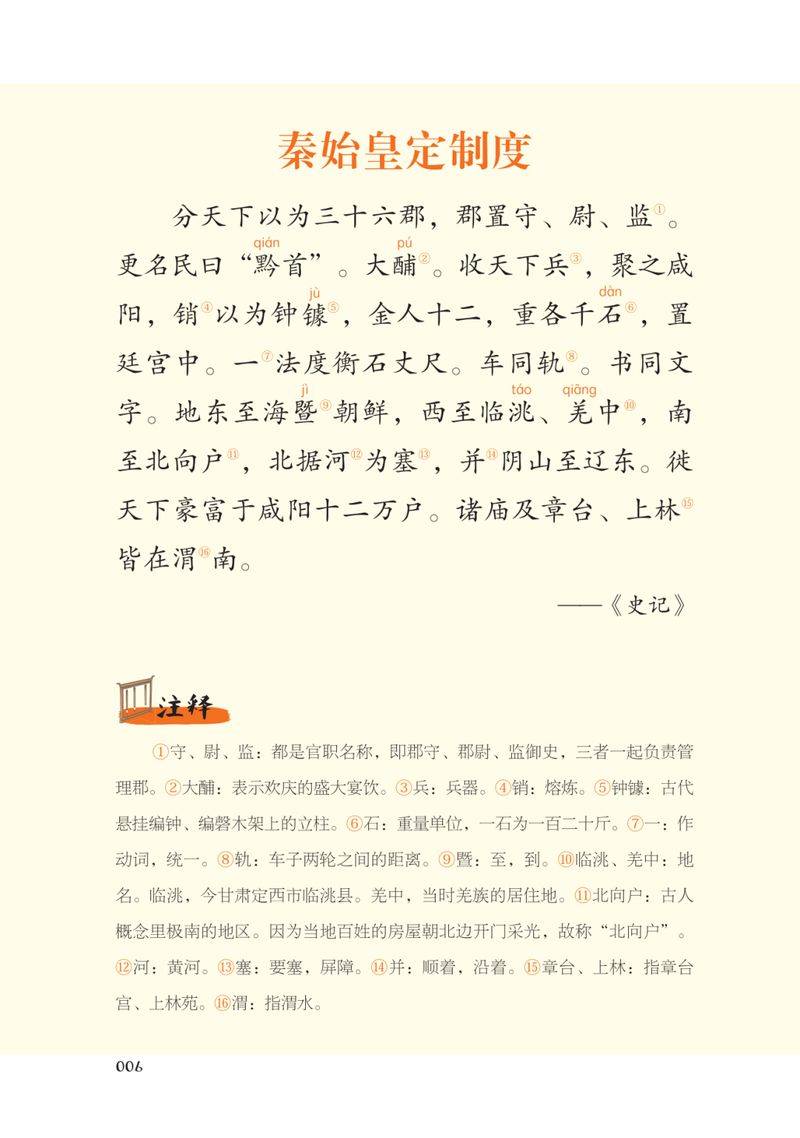
The book is divided into chapters, broken down by subsections and divided into two sections, depending on the historical stages: first, a familiar history, or historical processes, or historical stories, or historical figures, etc., is told in plain, easy-to-understand white language; then a small ancient text is inserted in relation to it. These ancient texts are of considerable length and difficulty, ranging from textbooks prepared in the languages of primary and lower secondary schools to those used as examination papers in multiple languages, to classics, such as the mountain book, the national policy of war, the history of governance, etc., which combines literary and historical values while ensuring their practicality。
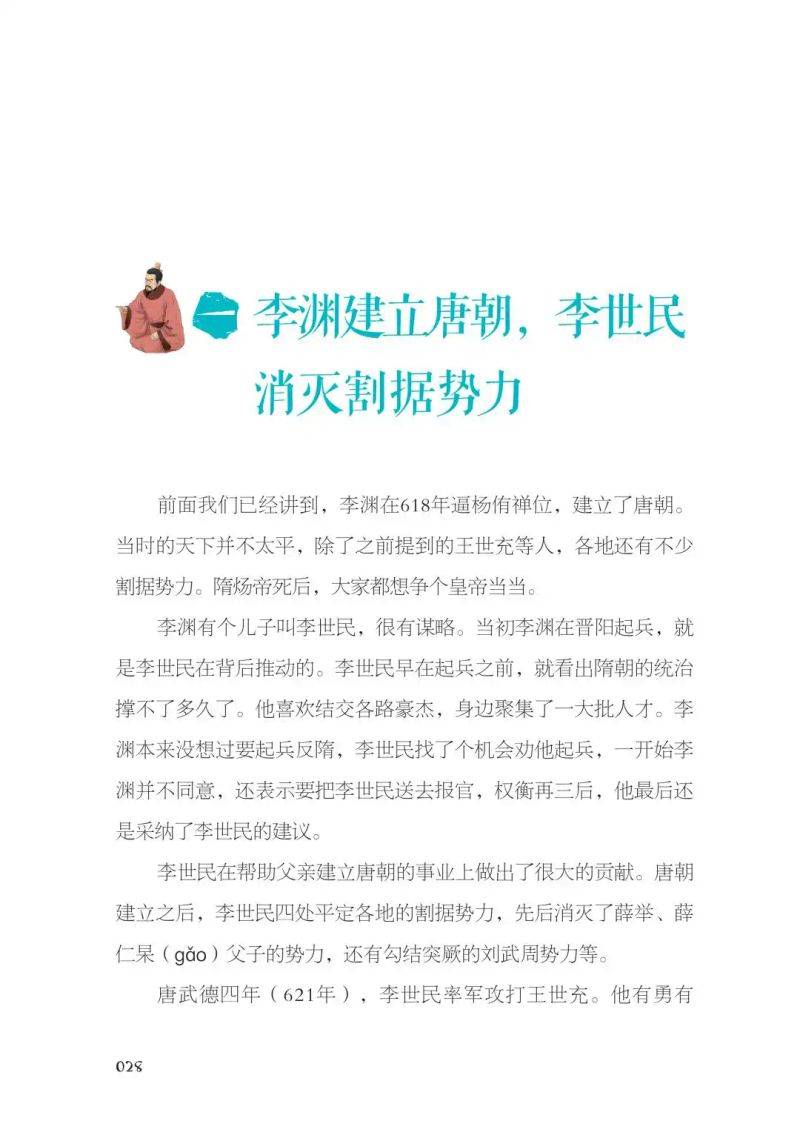
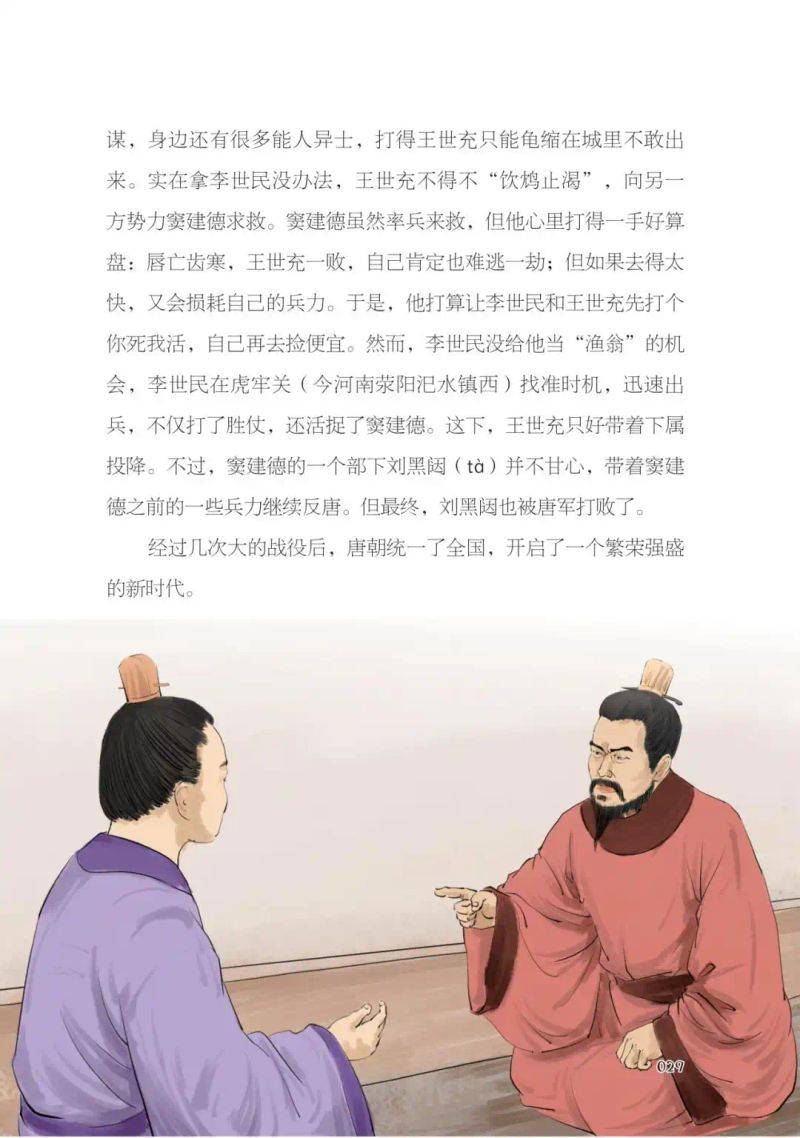
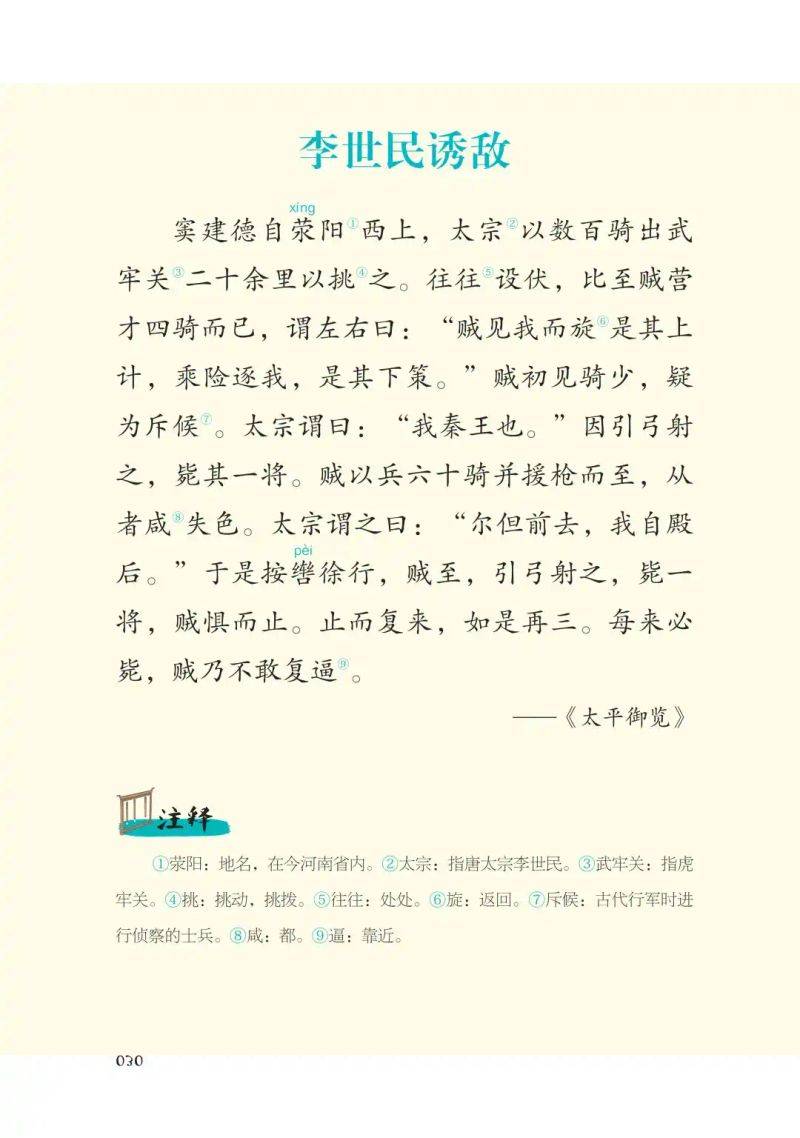
In ancient texts there are acoustics, each with notes, translations, reading extensions, which help children understand the meaning of words, remove reading barriers and capture knowledge and literature. Using these ancient texts as a clue, the whole complex history of china is more conducive to children combing the historical landscape from a macro-level perspective and looking at the development and transformation of human society。
Book information
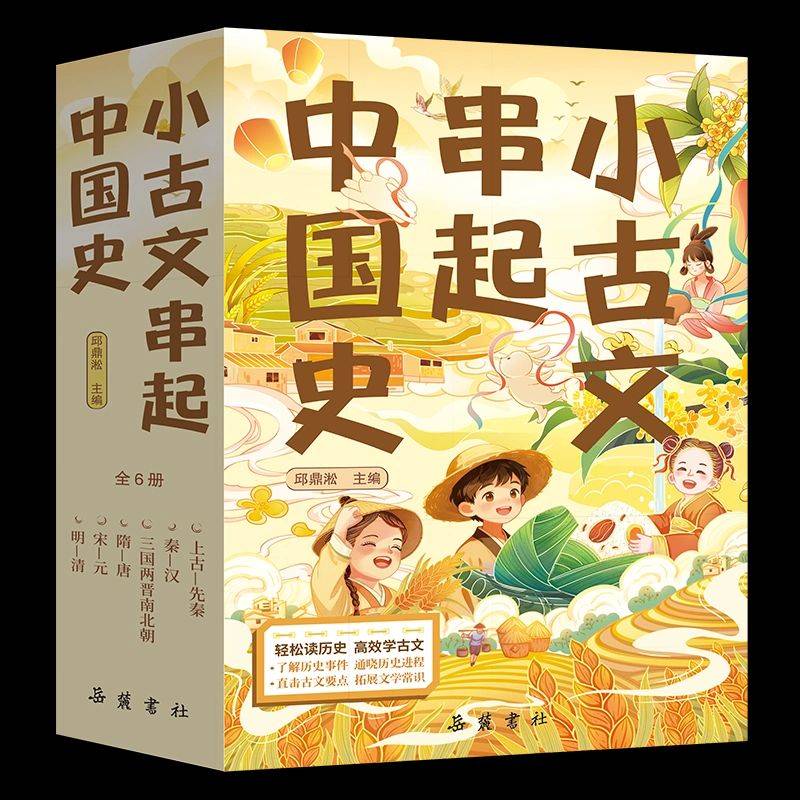
"the history of china."
978-7-5538-2318-8
Mr. Qiu, editor-in-chief
Brief description
A series of six volumes of the story of china, which is in line with successive generations, is a systematic process of historical development from the time of ancient legends to the time of qing dynasty. The book is divided into chapters by historical stages, each of which starts with a classic history story in plain white, an introduction to key historical figures and the process of development, and is accompanied by relevant little ancients, cross-references and historical evidence。
The selected ancient texts, which are modest and difficult to fit into the primary and secondary levels, include a number of written language texts and a number of common test selections, all of which are derived from classics such as the book of the mountain sea and the book of the book of the book of the book and the general principles of governance, and are of practical, literary and historical value. The book has a pronunciation of the pronunciation in ancient scripts and an extension of notes, translations and reading to help children clear out reading barriers and gain easy access to ancient knowledge. The book links the history of china with little ancients, helping children to build a macrohistory vision that clearly grasps the historical context and changes in social development。
Introduction by the author
Qui qui qui, author of children's literature, calligrapher, founder of the chang shaming university. Graduated from the chinese department of chinese studies at the university of china, with a graduate degree from the people's university of china, professor tang hyunqing, an expert in goohan-speaking studies, and professor yu dequan, a renowned zhong zhong zhong zhenjiang scientist. He is now vice-president of the oracle of hunan province, member of the hunan province council for the study of children's literature and member of the changsha city calligraphy association. Working in family education and the publication of educational books for more than 20 years, it has worked to spread the traditional culture of excellence in china. Published are traditional cultural popular readings such as the national book of studies for children, an old poetry of the day, a small tale of the day, a screech of the sun, an interdisciplinary reading. Among them, the " one poetry of the day " series and the " interdisciplinary reading " series were awarded second prizes in 2019 and 2024 for excellence in education in east china。
Contribution: in-laws institute
The morning news