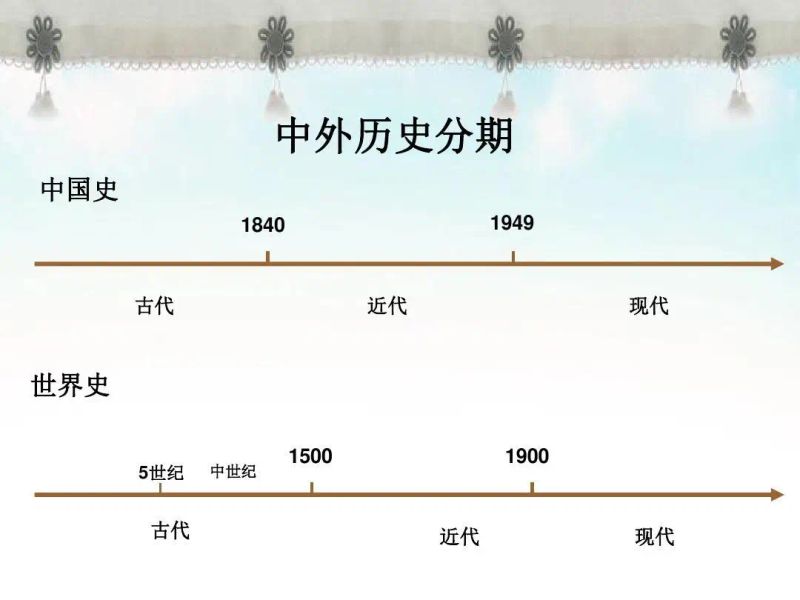
China is a country with a 5,000-year history, broadly divided into ancient, ancient, modern, modern and contemporary periods. The division of periods is not only a simple segmentation of time lines, but also a profound reflection of many factors, including social development, cultural change and scientific and technological progress. Here's a little bit of an idea of how ancient, ancient, modern and modern。
In ancient times
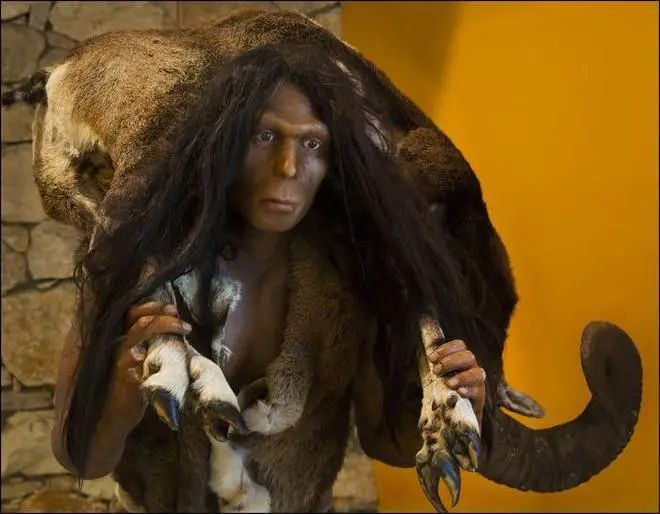
The ancient era refers to the 3 million b. C. - the twenty-first century b. C., and the 2 million-year history of the discovery of the fossils of the “witch mountain people” in the zhongqing county of china. In addition, a number of ancient human fossils have been discovered, such as the late years of the “mechanism”, “bluefield”, “beijingns” and “ting villages” of the “top caves”。
During this period, human society was at a primitive stage, with low levels of productivity and a predominantly collecting and hunting lifestyle. The ancient era was full of mystery and legends and was the beginning of the dawn of wakasha civilization。
In ancient times
The pre-summer era is generally referred to as the “era of the ancients” or the “era of the ancients”, in which the figures are: neoplasm, mandarin, volodya, shinonon, zhifu, etc。
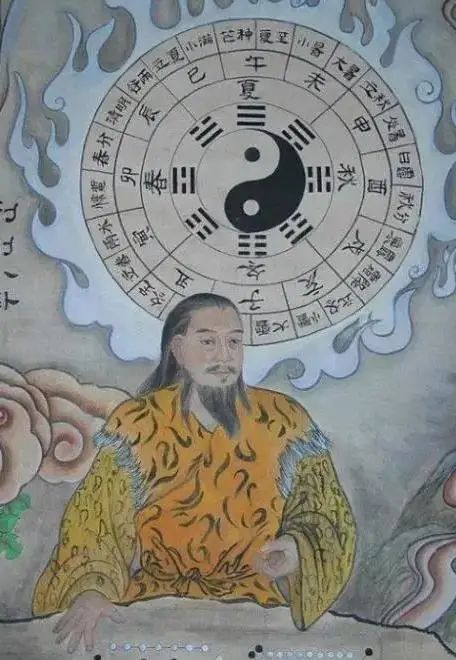
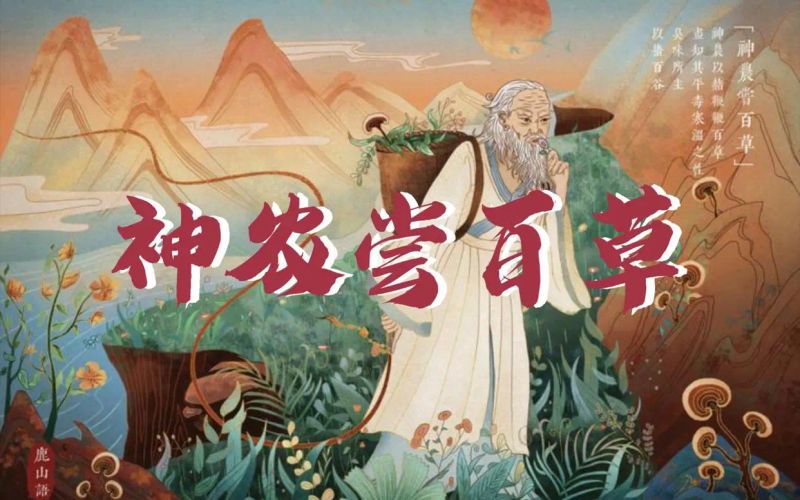
Volodymyr's gossip, book deed, opened a chapter in human civilization; he tasted grass and brought a dawn of farming culture to future generations. These myths reflect not only the knowledge of nature among the ancients, but also their spirit of exploration and tireless struggle。
The ancient era was a critical period in the origins of human civilization, and the legends of that period were also an important part of the cultural treasure of the chinese nation, with far-reaching implications for future generations。
Ages
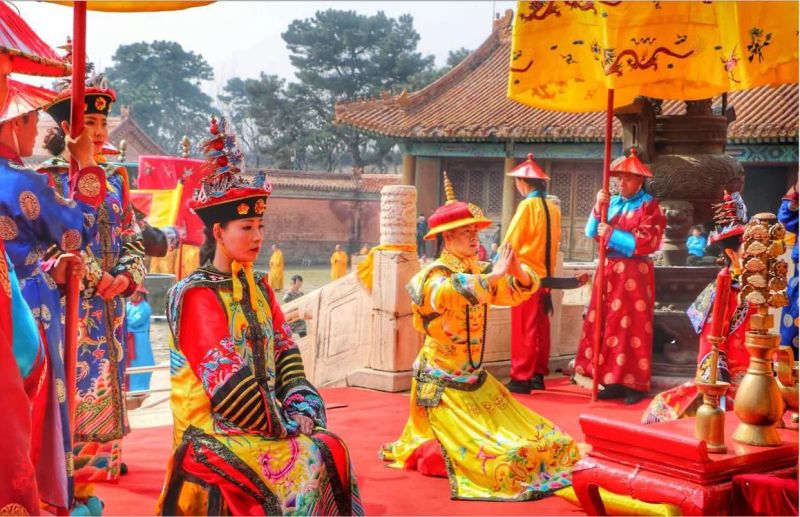
In ancient times, in the history of china, most refer to the period prior to 1840. During this period, chinese society has undergone a long feudal process of social development, with remarkable achievements in political, economic and cultural spheres。
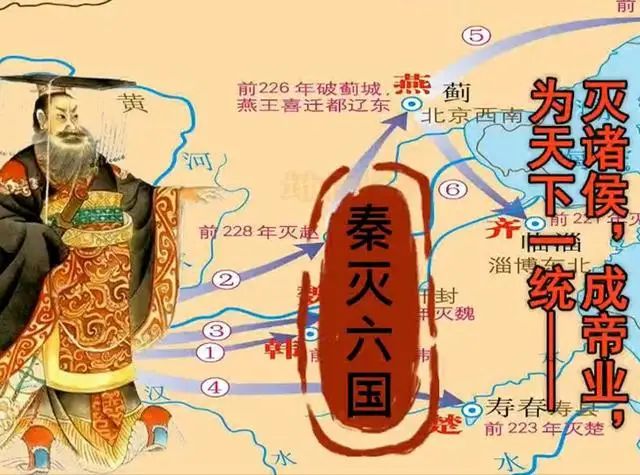
From qin han to qin tang, and from song won mingqing, china has experienced a number of dynasty changes. The qin emperor united the six countries and established china's first united and centralized state; the han wu emperor opened up the land and implemented a series of measures to strengthen the central authority; and tang tai was the first to govern chastity and achieve prosperity and prosperity for the tang dynasty。
The scientific, cultural, artistic and other achievements of song won mingqing have also been notable, such as the emergence of four major inventions, the flourishing of song won plays, and the rise of bright novels。
The ancient era was the culmination of china's feudal social development and an important stage in the cultural prosperity of the chinese nation. The political, economic, cultural and other achievements of that period not only enriched the cultural treasures of the chinese nation, but also contributed significantly to the development of world civilization。
Recent period
Recent periods refer to the historical period from the beginning of the opium war in 1840 to 1949. During this period, chinese society experienced unprecedented and profound changes。
After the opium war, china was gradually reduced to semi-colonial semi-enclosed society. In the face of aggression and oppression by the powers, the chinese people have fought tirelessly. A series of changes, from the oceanic movement to the penang, to the xinhe revolution and the new cultural movement, reflect the strong desire of the chinese people for national independence。
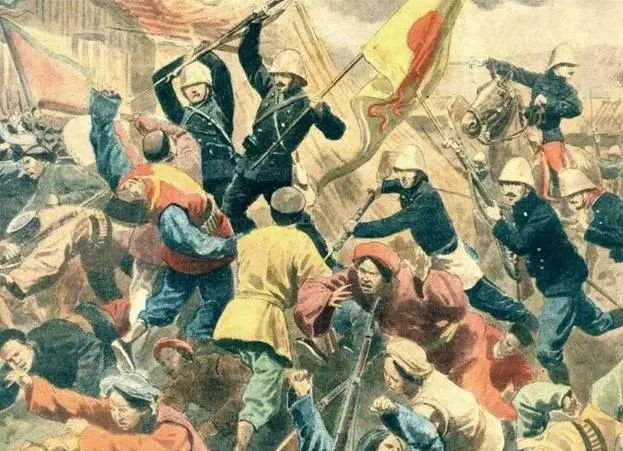
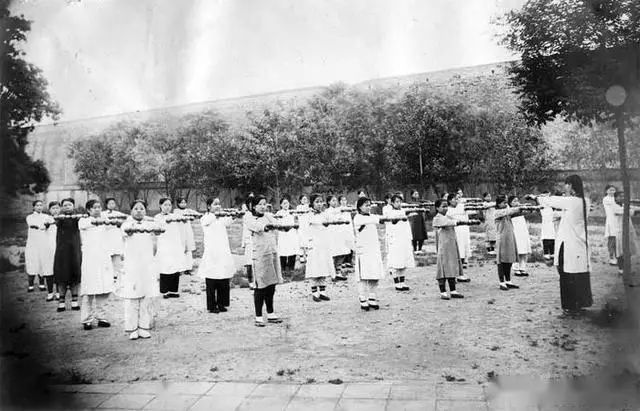
The recent period was an important turning point in china's history, during which social change and instability not only changed china's political landscape but also contributed to the awakening of its people's minds. The struggles and struggles of recent times have also laid a solid foundation for the great renaissance of the chinese nation。
Modern period
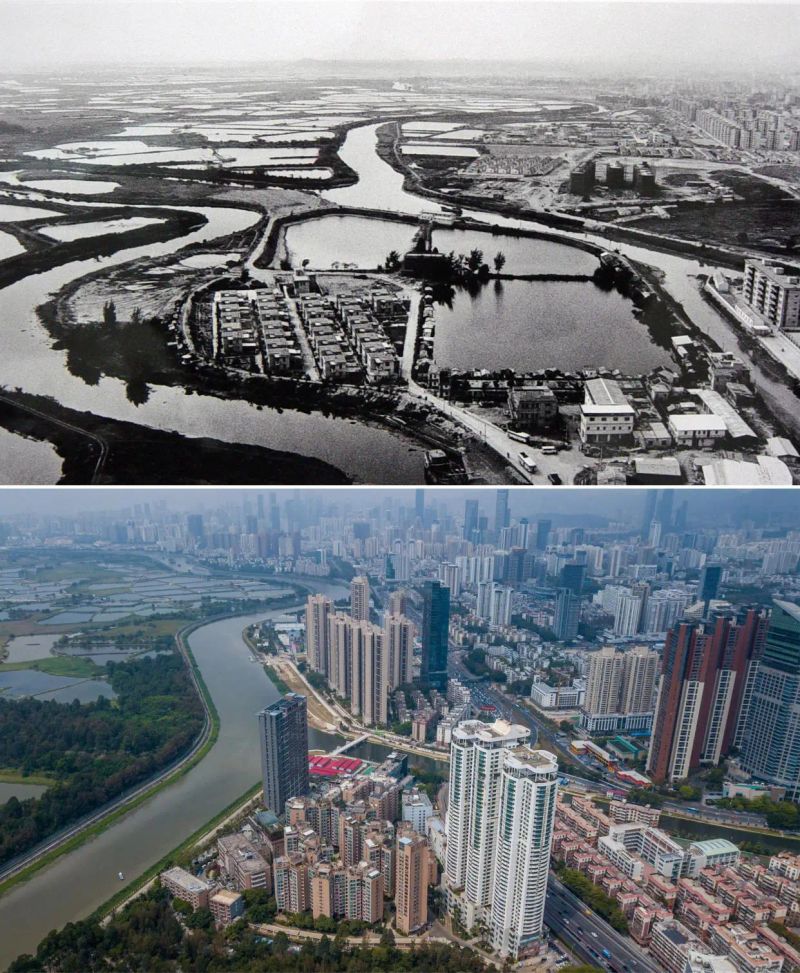
The modern period refers to the period from 1949 to the present, during which chinese society has undergone dramatic changes. The series of major decisions and initiatives, from land reform to three major transformations, to reform and opening up, has contributed significantly to china's socio-economic development. The new china has also made remarkable achievements and progress in various fields, including science and technology, culture and education。
Write to the end
The division between ancient, ancient, modern and modern is not only a reminder of china's historical time lines, but also a profound reflection of its social development processes. Each period has its own unique historical context, development characteristics and temporal significance. Looking to the future, china will continue to work together with the countries of the world in a spirit of openness, inclusiveness and cooperation in order to achieve a better future。