Trying to erode innocent lives
Facing curiosity, peer pressure or false temptation
How to hold the line and make a clear choice
This guide for the prevention of teenage drugs
To provide you with scientific knowledge, practical skills
Helps you to decorate and get away from drugs
01
I know drugs
See what they really are
Original plant: natural source of drugs
Representative: poppy, cannabis, coca, chaste grass, etc。
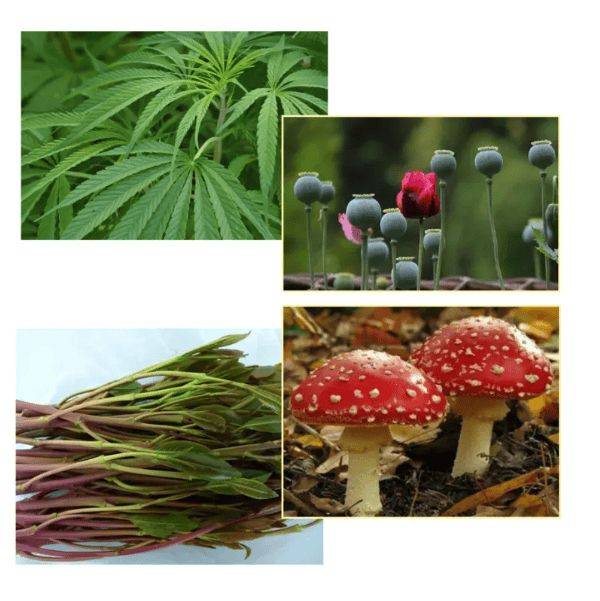
Plants such as opium poppy, cannabis and coca, which provide raw materials for the production of drugs, are referred to as “drug plants”, and the state has explicitly prohibited private cultivation and must not believe rumours that opium poppy can cure diseases. Young people and their parents must study carefully the characteristics and hazards of the drug plant and report promptly to the local government or public security authorities when the illicit cultivation of the plant is detected。
Traditional drugs: harmful “old poison”
Representatives: heroin, opium, morphine, cocaine, etc。
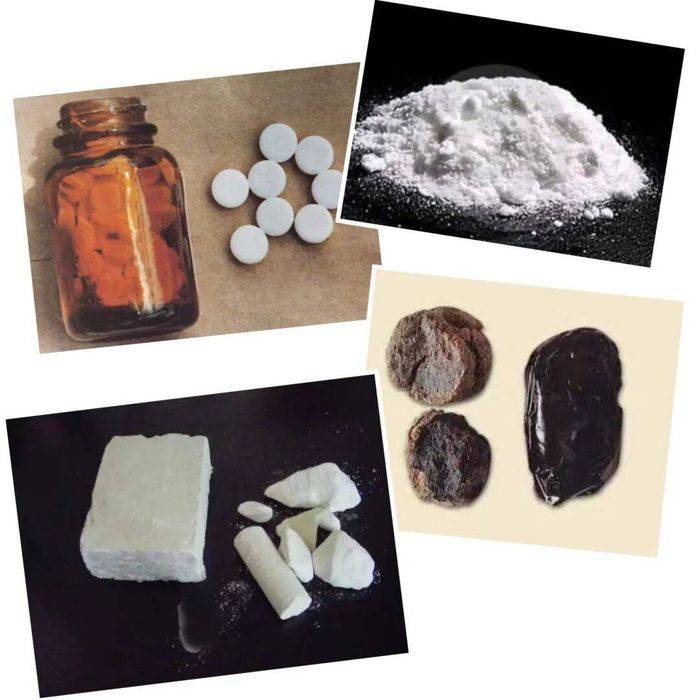
Traditional drugs are long-standing “criminals”, the destructive effects of which have long been proven by history. Heroin, opium and so on quickly destroy the human nervous system, causing extreme addiction and inexorable pain. Adolescents must understand that any glorification of traditional drugs was a dangerous lie and that it was the only way to be responsible for themselves and their families that they could stay away。
New drugs: a covert “invisible killer”
On behalf of: meth, ecstasy, sterilisation, k-powder (chlorometone) and disguised drugs in various variants。
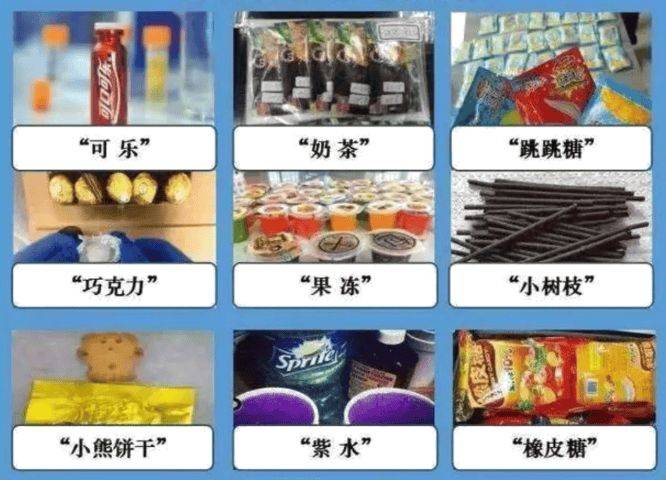
In order to capture the huge profits behind the drug trade, drug traffickers added drugs to some of the so-called “tide” items and promoted the most absurd misconception that “drug use is fashionable and a sign of the rich”. As young people are curious and concerned about currents and fashions, they are often influenced by these misconceptions, so that young people in the new era are aware of their right and wrongs and value the development of their own good behaviour and are not blind。
Leprosy medicines: “wolves” in legal clothes
Representatives: itomite, metomite, ipropa ester, right methadone, tramadol, fentanyl (conservation), triazolam (repression), litaline (“smart medicine”), etc。
Drug abuse refers to the long-term excessive use of dependent drugs, leading to addiction and to mental disorder and other abnormal behaviour. Drug abuse can lead to significant physical and psychological harm and serious social problems. There is often only one step between drugs and drugs, and adolescents must be treated in a manner consistent with medical instructions to avoid substance abuse!
02
Drug prevention
Build your firewall
Cleaning up the social circle and building the walls
Careful dating is the first line of defence away from drugs. It is important to stay away from people with bad habits, such as drug and alcohol abuse, and to reject outright and zero tolerance for so-called “friends”。
Secure the safety line and stop the risk
Never try the first one, unswervingly breaking the absurd lie that “no addiction at once”. Drinks, snacks or cigarettes delivered by strangers are not accepted。
Fostering the concept of health and embracing life
To establish the right values to replace the false dependence on drugs in a healthy way, such as sport, music and reading, and to avoid entering complex places such as bars and nightclubs. The use of laxa medicines is strictly medically prescribed and never taken blindly, cutting the possibility of confusion and error from the root causes。
03
No drugs
"no" art
1. Direct refusal, clarity of attitude
There is no need to hesitate to respond in simple and firm language: “no!” “i will never try!” “this is not what i want!”
Physical autonomy belongs to itself, and there is no need to feel sorry for refusal or to explain too much。
2. Quitting out of trouble
On the pretext of leaving: “i'm going home at once/test/training, not to participate.”
Health reasons: “i'm allergic to alcohol/i'm taking medication, i can't touch it.”
External constraints: “the family is demanding of me, and it's over when it's discovered.”
3. Shifting focus, reverse direction
Suggest alternative activities: “this is too dangerous to play ball/film together?”
"don't touch it, it's not worth hurting the body. Let's do something else."
4. Reliance on peer resistance
Agreements with friends to reject drugs, mutual supervision and support。
When friends are found to be involved in drugs, they are promptly discouraged and turn to trusted adults for help。
5. Emergencies, decisive recourse
When a danger is felt, they leave the scene immediately to ensure their safety。
In case of drug abuse, call 120 and 110 at first, life is the best