


The working principles and functions of the switchboard
Switchboards are an electrical device commonly used in power systems and are used mainly for control, protection, measurement and distribution. The main working principle is to control and protect the electrical system through a switch and distribution protection device to ensure its proper functioning. Here is how the switch cabinet works and how it works:
1. Control of circuits: switchboards control circuits and perform operations such as opening, closing, overhauling and maintenance of controlled appliances。
2. Protection of circuits: the switchboard provides electrical protection of the electrical system through distribution protection devices, including the protection of various types of faults such as passing through currents, short circuits, lack of voltage, overpowering, ground failure, etc。
3. Measuring circuits: switchboards measure electrical appliances, such as current and voltage sensors, and measure various parameters of the electrical system, such as voltage, current, power factors, etc。
4. Distribution circuits: switchboards provide power switching and distribution through switch switches to ensure the supply of electricity to the various equipment of the power system。
Sensors component: the sensor module can also be used for precise detection in modern, highly automated special equipment。
In general, the switchboard is the key equipment for the protection and control of the electrical system, which ensures its proper functioning. The functional modules and sensors of the switch cabinet configuration vary according to their use, but the basic electrical device structure is similar and typically consists of switches, distribution units, protective and measurement devices, etc。
Composition of the high-pressure switchboard
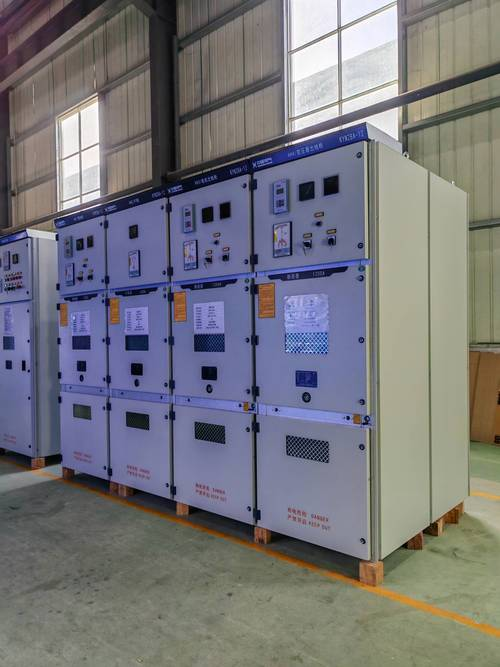
High-pressure switches are an electrical equipment for the control and distribution of electrical plates, which are widely used in electrical systems because of their high-pressure, large current, high reliability and high protection characteristics. High pressure switches are typically composed of the following components:
1. Switchboard body: the switchboard body consists of a shell made of steel plates, a fixed wire column in the upper and lower parts, door locks, safety switches, etc。
Breakers: breakers are important elements in the control of electrical power openings and automatic re-branding operations in circuits, using the principle of magnetic insulation to control the partitioning of circuits, with the advantages of high reliability and high severability。
3. Segregation switches: the quarantine switches function primarily as a separation and separation circuits in the switch cabinet, usually in conjunction with breakers, load switches, etc., to ensure the safety of circuits。
4. Load switches: the load switches are switches for the control and protection of small currents and small capacity electrical devices. It has the characteristics of miniaturization and intellectualization, which achieve a variety of functions such as electrical current protection, short circuit protection and overload protection。
Intersensors: an intersensor is an electrical element designed to detect electromagnetic sensors generated by electrical transformers that can convert voltage signals, current signals, etc., from electrical systems to small signals for measurement and control。
6. Electric voltage, current intersensors: the voltage intersensor is primarily used to measure voltage changes in the electrical system, whereas the current intersensor is primarily used to measure the current intensity of the electrical system, both of which are essential elements of the high-pressure switch cabinet。
These are the main components of the high-pressure switch cabinets, and the structure and composition of the different types of switch cabinets vary。
There's a difference between the switchboard and the distribution cabinet
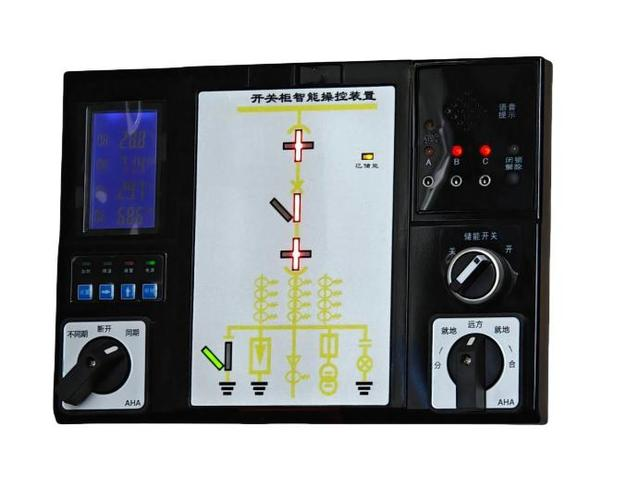
Switchboards and distribution cabinets are two devices in the electrical system, although they are important equipment in the electrical distribution system, they differ in purpose of use, location of installation, function and characteristics。
1. Different purposes:
Switchboards are used mainly for electrical control and protection of the electrical system and for the provision of electrical power to the load end. Switchboards are used to connect loaded circuits to power, provide load and short-circuit protection, and are also used for sub-control power systems。
The distribution cabinets are used to allocate, measure, monitor and protect electricity systems. The distribution cabinets are installed on the side of the feeder line and the main task is to convert high voltage wire power into low voltage power by installing transformers to connect to low voltage power networks。
2. Different location of installation:
Switchboards are usually installed in transformer stations or power stations in power plants to provide electrical control and protection of electrical equipment in transformers or power stations, reliable and fast distribution of electrical energy, and are also used for sub-control of power systems。
The distribution cabinets are usually installed near the electrical equipment at the load end. The distribution cabinets are responsible for the distribution, monitoring, measurement and protection of electrical power when electrical end-uses of low or medium-pressure power systems are generally installed。
3. Different functions:
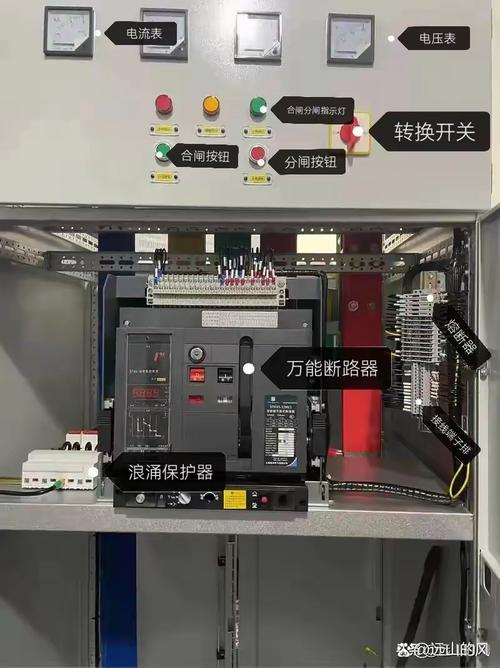
Switchboards typically include components such as electrical control devices, electrical protection units, measurement devices and control of cable interfaces, which achieve remote electrical control and protection of electric generators, generators, switches, circuits, etc。
The distribution cabinet typically includes components such as the main line, switch, load switch, smelter, circuit breaker, fuse, leak protection, etc., to enable the distribution, control, protection and monitoring of electrical power。
4. Different characteristics:
The switchboard has a strong short-circuit detachment and load switching capability and therefore requires electrical protection, so it moves very quickly and can quickly remove it to protect electrical equipment in case of failure。
The distribution cabinet should be designed to take into account characteristics such as electrical distribution sequences, circuit selection and high reliability lead lines to facilitate the fulfilment of complex distribution requirements. At the same time, the distribution cabinets need to take into account, inter alia, their reliability and safety requirements, while ensuring the connectivity of circuits while also ensuring normal, secure and stable power supply。
As a result, switches and distribution cabinets, although they are two different devices in the electrical distribution system, have specific functional and application ranges that allow for synergy and complete electrical distribution systems。



