


Ball mills are a common grinding device that is widely used in the mining, metallurgy, chemical and construction industries. Its main function is to grind the material into fine powder or slurry to meet the requirements of the particle size and quality of the material in different industries. The work of the ball grinder is to place the material in the cartridge of the ball grinder, which is fined or mixed by friction, collision and impact within the machine. The role and working principles of the mill are described in detail below。
The role and working principles of the mill
I. Role of the glass cluster
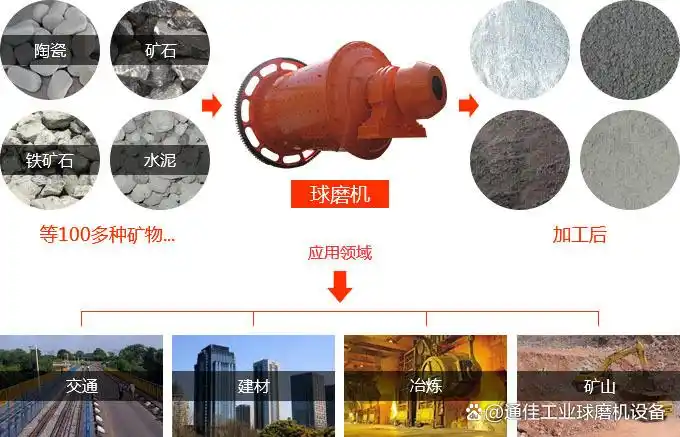
Ball grinder is an important grinding device, which is used mainly to grind materials into fine powder or slurry to meet the requirements of the particle size and quality of materials in different industries. Ball mills are used mainly in the following areas:
1. Mineral industry: used for grinding ore, metal ore, etc。
The role and working principles of the mill
2. Metallurgy industry: materials used for grinding ores, ore-tailing。
3. Chemical industry: used for grinding chemical materials, paints, paints, inks, etc。
The role and working principles of the mill
4. Construction materials industry: used to grind concrete, limestone, plaster, etc。
5. Other industries: food, pharmaceuticals, agriculture, etc., are also often used for material grinding。
The role and working principles of the mill
Ii. The rationale for the grinder
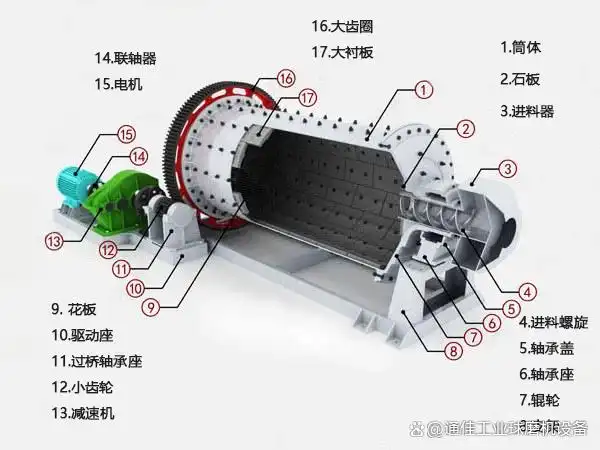
The work of the ball grinder is based on grinding materials into fine powder or slurry through friction, collision and shock within the cartridge. The main components of the grinder include cartridges, feed outlets, feed outlets, main axes, gear brakes and electric machines。
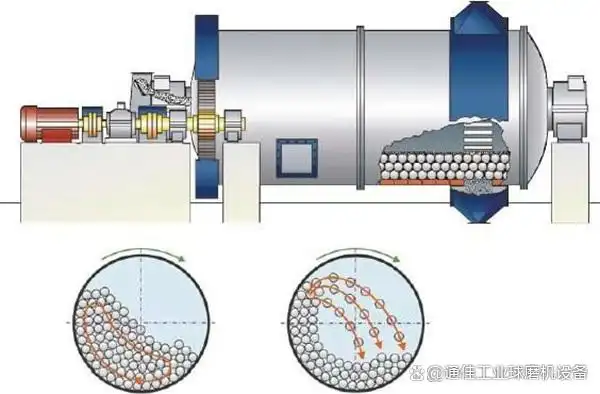
When the ball grinder is activated, the motor drives the gear brake, which starts to rotate the main axis. At the same time, the material enters the cartridge of the ball grinder through the feed entrance. There are different types of grinding balls inside the cartridge, which vary in size, size and mass, and can be selected according to the nature and requirements of the material. The grinding ball is constantly collating, frictioning and impacting internally with the rotation of the cartridge, which keeps the material fined or mixed。
There are other factors that affect the grinding of materials during the operation of the mill:
1. Choice of grinding balls: the number, size and material of grinding balls influence the grinding effect of materials. In general, the smaller the diameter of the grinding ball, the better the grinding effect, but the diameter of the grinding ball also needs to be adjusted for certain special materials. The material of the grinding ball is also very important, and the materials commonly used include high chrome cast iron, exercise steel, stainless steel, etc. Different materials have different adaptations to different materials and can affect the grinding effect。
2. Rotation speed of the cartridge: the rotation speed of the cartridge also has an important effect on the grinding effect of the material. In general, the higher the rotation speed, the better the grinding effect, but if the rotation is too high, it can also cause excessive impact and wear and tear of the grinding ball, affecting the lifetime of the machine。
3. Water content of materials: the moisture content of materials also affects the grinding effect of a ball grinder. If the material is overwatered, it affects collisions and frictions between grinding balls and materials, thereby reducing the grinding effect. Too little moisture content can also cause electrostatic effects during grinding and affect grinding effects。
Overall, the grinding effects of the grinding machines are influenced by a number of factors and require appropriate adjustments and controls depending on the nature and requirements of the different materials。
Iii. Advantages and disadvantages of a ball mill
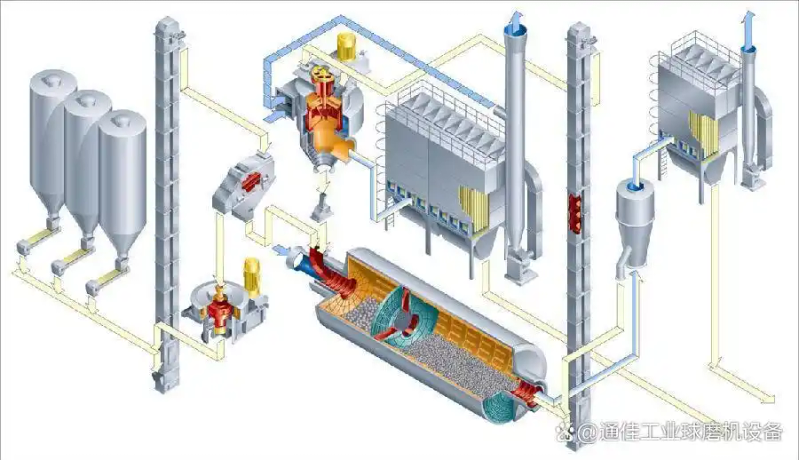
1. Advantages: ball mills are efficient grinding equipment with such advantages as high grinding efficiency, low energy consumption, even grinding of particles and simple operation. At the same time, the grinder also has a range of specifications and a variety of materials available for grinding of different materials。
2. Shortcomings: the shortcomings of the ball grinder are mainly due to the fact that its grinding effect is more damaging to materials and can easily produce over-hearing and sticky phenomena that affect product quality. In addition, the useful life and maintenance costs of the grinding machine are relatively high and require regular replacement of the grinding and maintenance equipment。
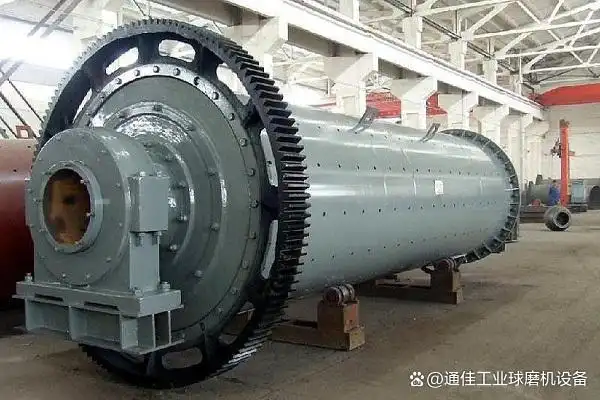
In summary, a ball grinder is an important grinding device that works by grinding materials into fine powders required by friction, collisions and shocks to meet the needs of different industrial areas. In the course of work, the grinding opportunities add the material to the rotor's cylinder and then the grinding effect is achieved by the interaction between the grinding ball and the material. The grinding effect of the grinding machine is adjusted and controlled by controlling a variety of factors, such as the number, size, material, rotation speed and water content of the material. Although the mill has some shortcomings, its merits still make it one of the indispensable equipment in many areas。



