In january 2026, there were 15082 second-hand residential net signatures in beijing, representing an increase of more than 20 per cent over the same period, a rise in the same period since 2022; in terms of the ring, the ring was reduced by 12. 3 per cent, depending on seasonal factors. Overall, the market for second-hand houses has been dynamic and “wintering” as a combination of expected market repairs and policy short-term effects。
Looking ahead to the city, industry believes that the trade in second-hand houses in beijing is expected to remain relatively stable, or to exhibit a “stable positive and moderate” recovery throughout the year。
Second-hand residential netting increased by more than 20 per cent each year, and prices were stable overall
According to the beijing municipal housing commission, in january 2026 there were 15082 second-hand residential net signatures in beijing, an increase of 20. 8 per cent over the same period, a decrease of 12. 3 per cent. It should be noted that the number of internet signatures in december of the calendar year is generally high, and when it enters, it is affected by spring holidays, etc., and the return of the ring is seasonal. In comparison, in january this year the number of internet signatures reached its highest level in the same period since 2022。
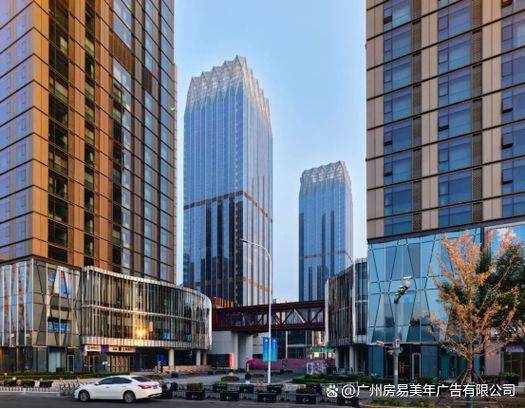
According to zhang dawei, the chief analyst of china's real estate, in the first month of 2026, the second house market in beijing received 15082 web-marks, reflecting the current “hot winter conditions”. In the context of the expected sustained game between the policy bottom and the market, the beijing used house market is gradually being restored at a moderate pace。
According to a broker, after the implementation of the beijing house new deal at the end of last year, the number of clients consulted, the number of visits and the volume of transactions had recovered. Recent policies have been conducive to sustained release, liberalization of purchase-restriction policies and reduction in the cost of home purchases, among other measures, which have contributed significantly to consumer decision-making. Some of the clients who had previously looked forward to entering into a deal quickly after the policy had been put in place, and the most recent sources of settlement had been high value for money。
It is a matter of concern that in january there were about 7,000 fewer used rooms in beijing than last month, but this change did not have a direct impact on the deal. According to zhang, short-term fluctuations in listings stem mainly from the fragmentation of the mind of owners: some of the owners temporarily withdraw their cards because of their cautious attitude towards the post-market, while others adjust their offer strategies in the interest of policy rather than a substantial contraction in the supply side. In the current market, the bargaining space of buyers is not significantly narrow, which in part constrains the rapid rebound of trade。
In terms of prices, data from the beijing chainers institute show that in january there was a small increase in the average price of second-hand homes and flats throughout the city, mainly due to the structural impact of the trade bias towards core areas. The price index, which eliminated structural factors, showed a slight increase in secondary housing prices throughout the city, but the increase was reasonable and market prices remained stable overall。
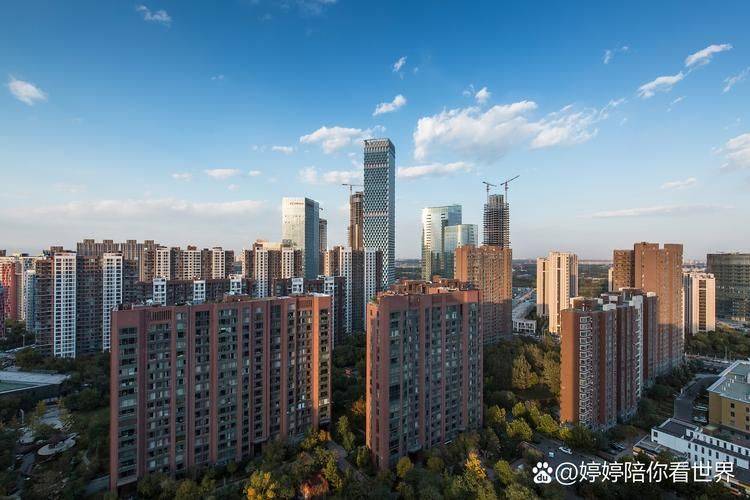
Expected repairs, back-up of spring seasons, etc. Contributing to pre-transaction peaks
The opening year of the second-hand house market was dynamic and was driven by a combination of factors。
According to the director of the beijing chainers institute, the market is expected to improve first. In the near future, with the introduction of intensive policies, market-driven expectations, particularly of sellers, are expected to be restored, as reflected in the market weather index and the return of the increase in the housing stock. Anticipated repairs have accelerated the trading process and led to an increase in the volume of transactions。
The plateau further noted that the effectiveness of the policies introduced at the end of last year had not yet been fully demonstrated due to the high value and long cycle characteristics of housing transactions, but that the historical policies had accelerated client-owner decision-making in the short term and boosted the volume of transactions. In addition, the first quarter of each year is affected by factors such as capacity to pay, which tends to be “open and red”. This spring season has been relatively backward, leading to a pre-transaction peak and greater release of pre-spring demand. At the same time, a larger number of days on weekends in january also provided favourable conditions for the conduct of transactions. Seasonal factors are therefore also important in driving up the volume of transactions。
With regard to future market developments, zou linhua, head of the housing data cluster of the china institute for financial and economic research, said that the increase in the exchange of second-hand rooms in beijing over the previous week had been 5. 3 per cent, indicating that market sentiment remained positive. The continued dynamism of the used house market, largely due to its current advantages, maturity of the land and relatively flexible prices, are factors that better respond to the “whatever you see” practical needs of the current buyers. In the coming weeks, beijing house is expected to continue its “stock-led” pattern, with second-hand house exchanges expected to remain relatively stable and to become a “barometer” to observe market trends. The overall market sentiment is cautiously optimistic, with a lower likelihood of a significant shift and a greater tendency on the part of home buyers to seek definitive opportunities in the second-hand market。
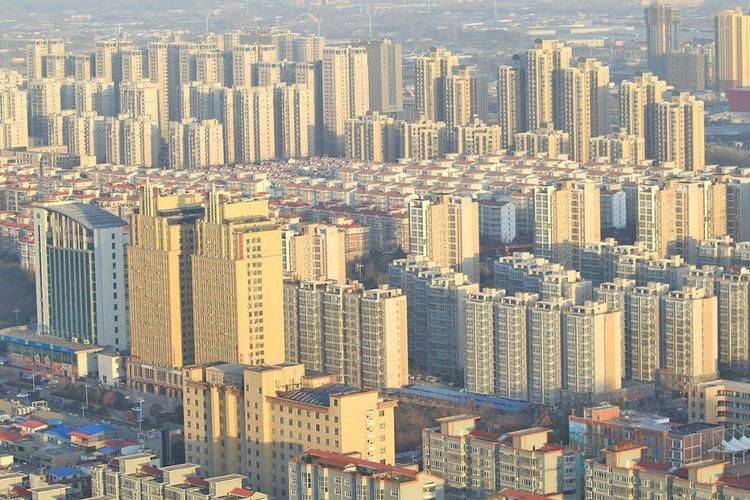
According to zhang, the rehabilitation process of the second house market in beijing throughout 2026 will be characterized by “stable progress and moderate pace”. The underlying logic that underpins market resilience has not changed: as the windbender of the national building market, beijing has a solid industrial base, sustained population inflow and a vibrant demand for improvement, which determines that markets will not undergo deep adjustments. With the gradual release of the backlog of needs after the spring season and the subsequent possible incremental policies, the market is expected to experience a gradual warming in the second quarter. At the same time, however, it is important to note that the foundations of the current economic recovery are not yet sound, that rebuilding the confidence of home buyers will take time, that it will be difficult for markets to regain the explosive growth of the end of last year and that it will be more likely that the construction of the floor will be completed in the form of “small steps”。
She's a reporter
Editor
Colonel mu xianyi