I. Classification of low-pressure distribution cabinets
1. Classification by structural form
Fixed distribution cabinets: this type of cabinets have a simpler structure, usually consisting of fixed installed components, such as main lines, circuit breakers, relays, etc., that are attached to the cabinet. This has the advantage of being relatively low-cost and applicable in situations that do not require frequent changes or maintenance。
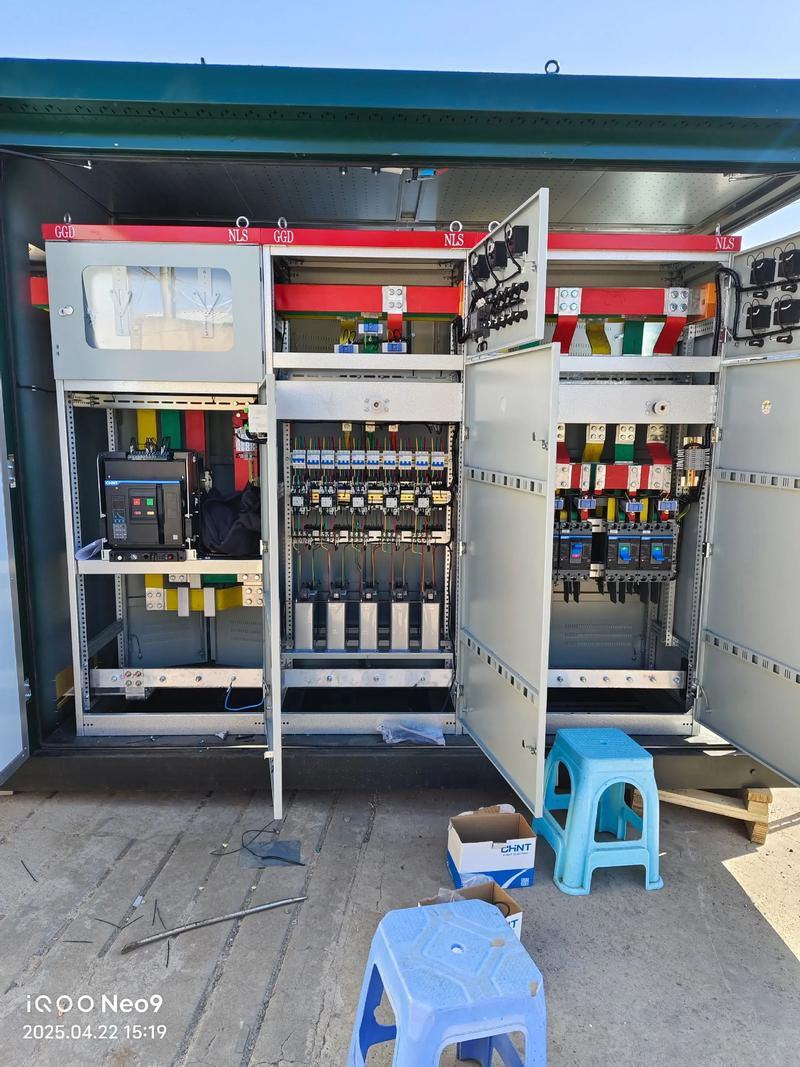
A drawer-type cabinet: a drawer-type cabinet is designed to be more advanced and its core components, such as circuit breakers, contactors, etc., are installed in a drawer that can be extracted. This design makes maintenance and overhaul easier, as each drawer unit can be pumped independently without disrupting the rest of the electricity supply。
2. Classification by function
Into the cabinet: is responsible for receiving power from transformers and introducing it into low-voltage distribution systems. Access cabinets are usually equipped with quarantine switches, circuit breakers, etc., to control and protect access to the system。
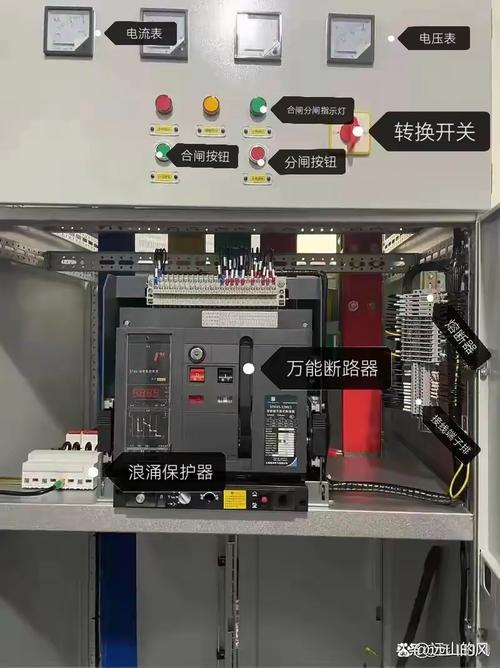
Lineboards: the main function of the lineboards is to distribute power from low-voltage distribution systems to secondary roads or equipment. They typically contain multiple circuit breakers and protective devices to ensure the safe distribution of electricity。
Capacitive compensation cabinets: used to improve the power factor of the system and the quality of electricity. The capacitor compensation cabinet reduces energy consumption and improves system efficiency by providing the necessary powerlessness and reducing the current powerlessness of the system。
Ii. Working principles for low-pressure distribution cabinets
The working method of the low-voltage cabinet begins at the point of access to the power source, i. E., entering the cabinet. Once the power is connected to the cabinet, it is assigned to each exit cabinet through the parent-line system. The main line is a current transfer component in the distribution cabinet, usually made of high-conducting materials (e. G. Copper or aluminium) capable of effectively transmitting currents to various branches。
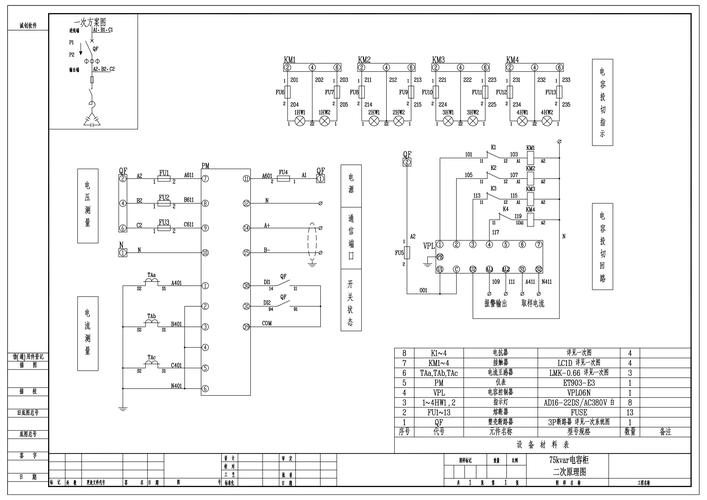
The exit cabinets are equipped with circuit breakers, contacts, etc., which perform circuit connections and disconnections according to the control signal. Breakers are automatically disconnected when the circuit is loaded or short-circuited in order to prevent damage to the circuit, while contactors are used for frequent connection or break-off of circuits as required。
In addition, low-voltage distribution cabinets are equipped with various protective devices, such as relays and breakers, which can monitor the state of the circuit in real time and take immediate protective measures in exceptional circumstances. Relays switch circuits on the basis of specific input signals (e. G. Current, voltage or temperature), and the breaker automatically cuts circuits when the current exceeds its rated values to protect the electrical equipment from damage。
Efficiency and safety of operation of the upgrade power system。