Of the many crops grown, potatoes and potatoes are crops produced in soil and are grown in most areas. However, the potatoes and potatoes are somewhat different from other vegetables because they are well grown and do not necessarily have more than they are, as many growers experience. Therefore, whether we grow potatoes or potatoes, the following points must not be ignored, and if we do, it will be too late to regret the harvest。
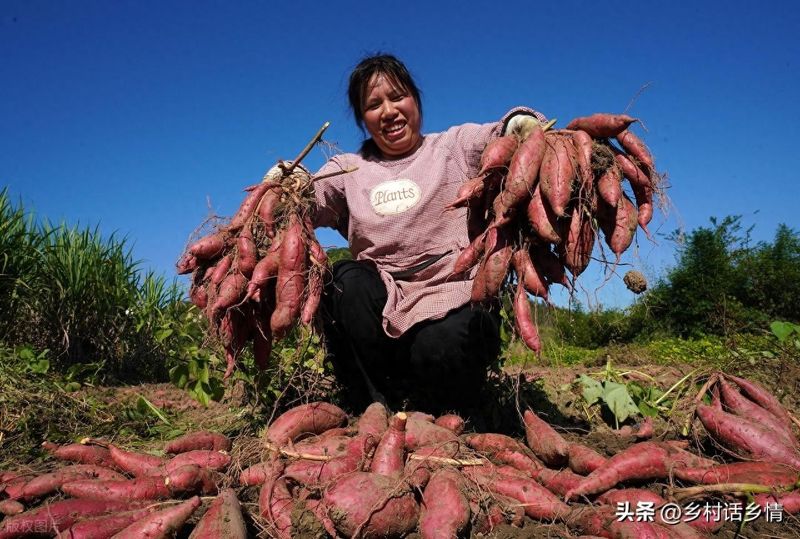
1. Cleaning the soil before planting
Potatoes and potatoes are crops that are produced in the soil, and the soil must first be good, before planting it, with deep tillage, and with good aromatic and permeability. For low fertility and infertile soils, the ground can be turned over with more fermented organic fertilizers and with a suitable combination of fertilizers to provide the variety of nutrients required for the growth of potatoes and potatoes, to promote soil decomposition and air abating and to facilitate the root growth of potatoes and potatoes。
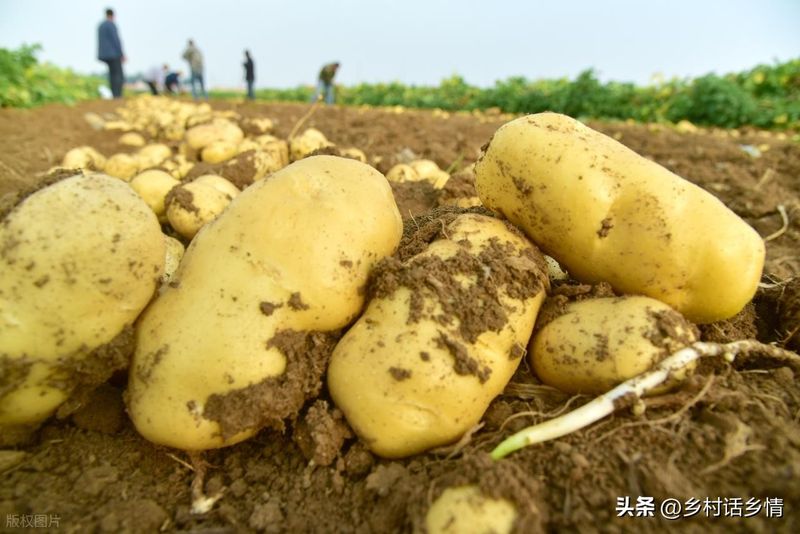
Two, time for planting
Different crops have different planting times, and different regions have very different planting times, with potatoes growing early in the spring and prone to freezing, with long leaves growing late at high temperatures, and croquets growing high at harvests. For example, the north-east is suitable for mid-april and the north-east for late february and early march. Cultivation in the south will be earlier. As a result, potato cultivation must be based on local climate and local past annual planting times。
In contrast to potato planting time, it is too early to grow, too early to have a low temperature, which is prone not only to freezing but also to growing. The north-east region was grown around may, the north-east was grown around april-may, the south was planted in march-july. The specific planting time is based on the local climate。
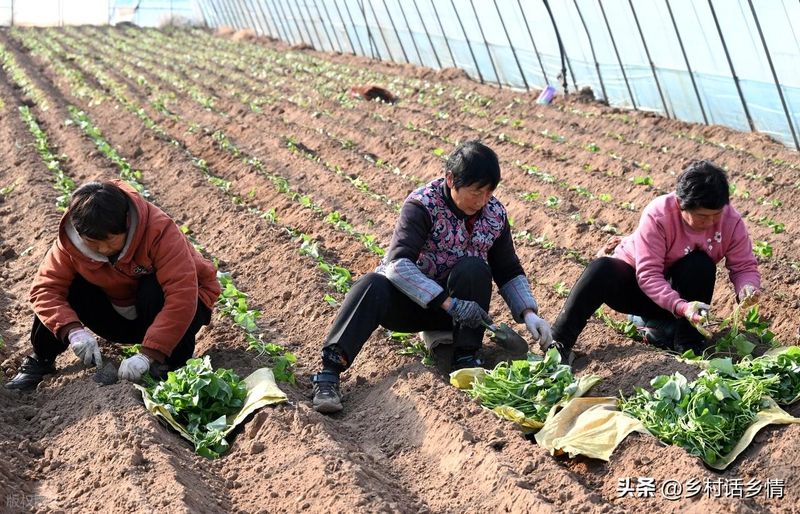
3. Knowledge of methods of cultivation okay
The cultivation of potatoes varies according to soil, climate and planting habits, and the methods used for planting them vary. For example, the distance, depth, etc. Of the plant is determined by local planting habits. But there is one thing, no matter where it is, when it comes to seedlings, it is important to remember the earth and the earth, so that only the earth can be made, so that the potatoes can be so thick and condensed。
The seedlings should be tilted to the soil, the greater the slopes, and not so deep, about 5-7 cm deep. Slash-buttoning methods are simple and have a high rate of survival; cross-crops are numerous and even。
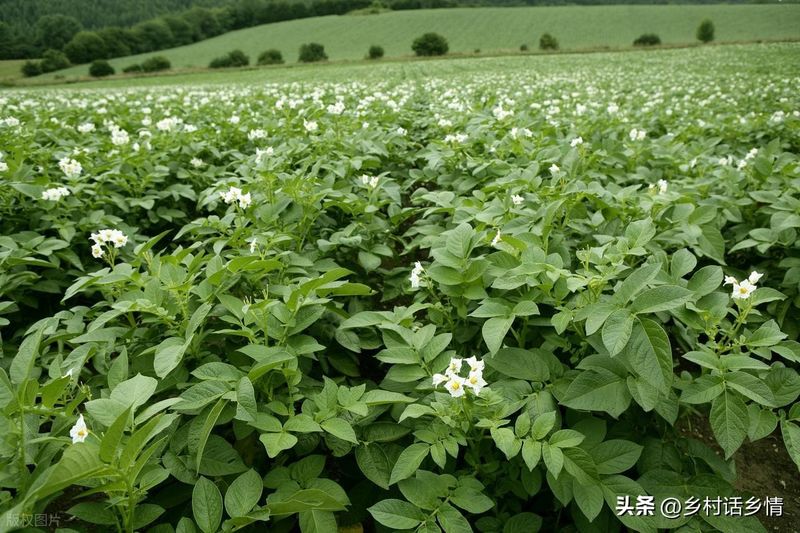
Four, don't put any weight on it
The effect of nitrogen fertilizer is to grow long leaves, whether bottom or after weight, and if it is used alone, or if it is overweight, the saps are particularly strong, resulting in a lack of nutrients for root growth, and finally, the scallops are particularly good, but they do not produce potatoes and potatoes. Therefore, the cultivation of red potatoes and potatoes should not be overdosed with nitrogen fertilizer, nor should it be used alone, and must be combined with phosphate potassium fertilizer。
Management has to keep up
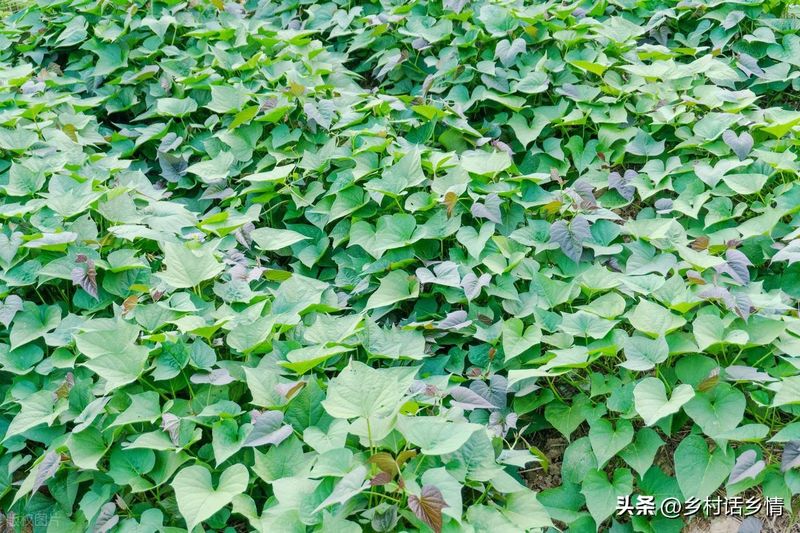
The better they grow, the less they grow. If the spores are tall and strong, and the leaves are black, they will be rich, and all the nutrients will be supplied to grow them, and they will not bear potatoes. Especially in the later stages of growth, it is important to survey the saps and control them as soon as they are found. There are many methods of control, such as roofing, pickling, spraying high concentrations of potassium phosphate, etc., which can be condensed with potatoes only if the sap is contained。
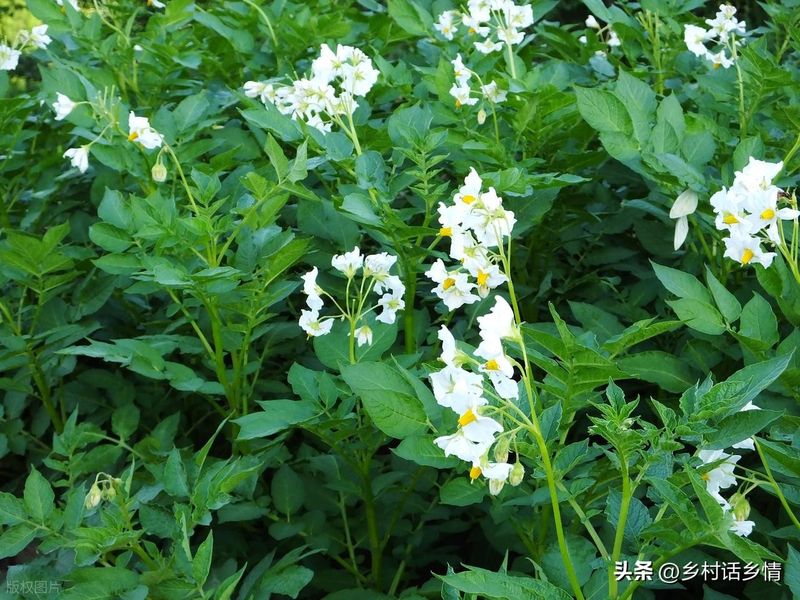
Potato can be sprayed with high concentrations of potassium dihydrophosphate or voltage, and can be transmutated。
In short, the cultivation and management of potatoes and potatoes require careful operation of the pre-plant preparation, planting process and field management in order to obtain high-yielding, high-quality potatoes and potatoes, depending on their growth characteristics。