Beet root, how many people have eaten? As the temperature rises, some of the drinks with beet juice are on the market, and businesses are promoting health and beauty。
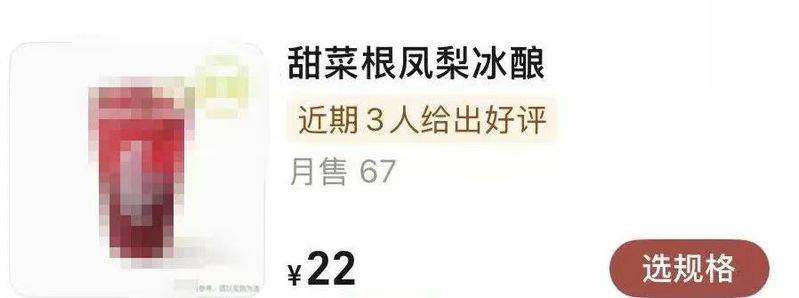
Some delivery platform
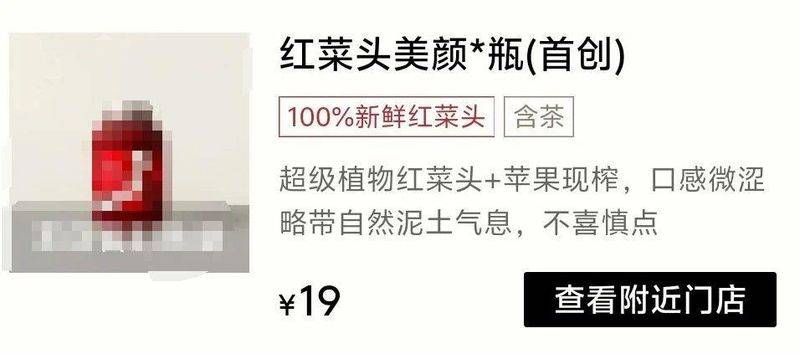
Some delivery platform
Searching for beet roots on social platforms can also see a lot of praises about it, such as the new top of vegetables, the "super-food" "sanding vegetables" and even what others call the "blood-refilling god". But others say it tastes special。
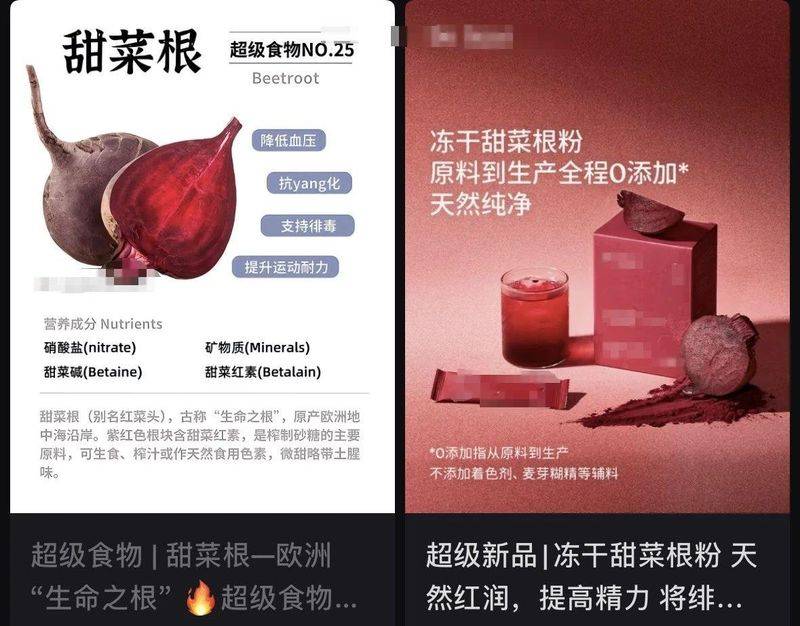
Some social platform
What's so special about beets? I'm not sure what i'm talking about
You think it'll piss blood
Actually, it's because of this magical ingredient
A lot of people who eat beet root for the first time are scared. - the urine or shit turns red, but it's not really urine blood, it's beet erythem in the beet root。
Beet root is red because of the abundance of beet erythrobe in the juice, which is a water solubility of nitrogen. After eating beet root, beet erythrin is less absorbed in the body and most of the unabsorbed pigments are excreted through urine or faeces. So if you “ure blood” for eating beet roots, do not panic, and there is no health risk. As long as you drink more water and accelerate metabolism, the urine will soon return to normal colours。
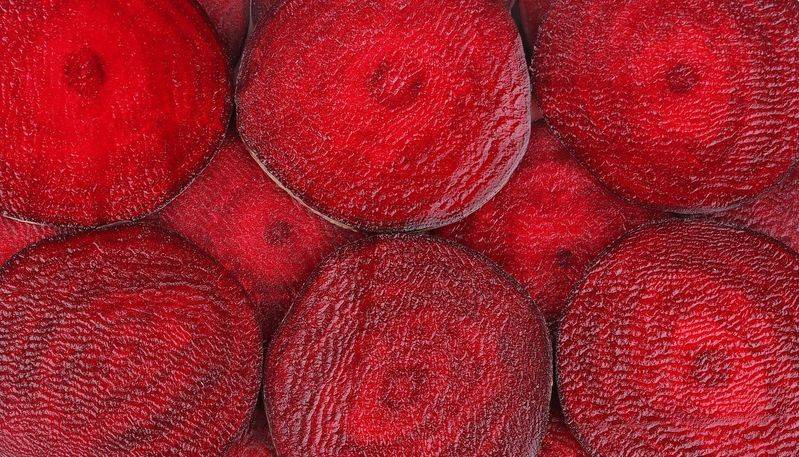
In addition, there are a number of potential benefits to health from the ingestion of beet erythrocyte. In a publication published in food research and development, it is mentioned that beetery is relatively resistant to oxidation and that under ph>4, the free-base removal capacity of beetery erythrocyte in beet root is 1. 5 to 2 times greater than that of some flowers and pyramids; it also prevents high blood resin, coronary heart disease, peri-brain and exterior artery diseases and has the potential to prevent tumors。
"special salt" in beet root
It's good for the body
The root of beet is not only unique in color, but also unique in nutrition。
“body power station” in vegetables
Beet root contains rich nitrate. Diet nitrate is a natural inorganic salt component of vegetables. Most common vegetables have a moderate nitrate content (100-1000 mg/kg), while beet root content is higher (>10000 mg/kg), and onions and tomatoes contain very low levels (<100 mg/kg)。
Nitrate is also an important route to human synthesis of nitrogen oxides (no). When the human body absorbs nitrate, the surface of the tongue is reduced to nitrite by anaerobic bacteria, which transforms it into nitrogen oxides in the stomach. This is important for the human physiology, which regulates the vascular convulsion of the organism in a low-oxygen state and the ability of the cell to recover from low-oxygen and ischaemic blood, thus regulating cardiovascular functions and other organisms。
In simple terms, dietary nitrates can, to a large extent, affect various physiological reactions by increasing the generation of nitrogen oxides in the body and contribute to the restoration of body function. As a result, many studies have shown that supplementary beet juice contributes to increased motor resilience and response, as well as enhanced physical performance. For example:
A study published in 2024 in the nutrient front showed that beet root juice is better than nitrate supplementation in obtaining certain sport-related results. Other components of beet root juice (e. G. Polyphenol) can be synergistic with nitrate to reduce cytological damage, thus improving physical performance more effectively。
In 2021, a study published in the dietary replenishment journal, which included an analysis of six human intervention experiments, found that beet root juice also reduced motorly induced muscle damage, accelerated muscle functional recovery after exercise and reduced muscular acidity after intense exercise。
A study published in 2023 in the journal of teachers training university of inner mongolia showed that after training to supplement beet root juice, the performance of the three iron athletes in bicycles, swimming and running was improved, especially for female athletes, which had a better effect than for male athletes, particularly with regard to body function, sensitivity, strength and aerobics。
A "good hand" for cardiovascular health
Of even greater concern is the fact that beet root juice is not only good at sports, but also good at cardiovascular and blood pressure protection
First, the potassium content of beet root (254 mg/100g) is good, 2. 3 times that of carrots, and the intake of potassium in the diet helps to reduce blood pressure and protect cardiovascular health。
Second, nitrate in beets is also helpful. Analgesic aging is a major risk factor for cardiovascular diseases, and the risk of hypertension in old age is gradually increasing as age increases, the reduction of vascular elasticity and the reduction of no synthesis capacity. Dietate nitrates can facilitate no, which can freely spread to adjacent angiogenesis cells and bind and activate no receptors, contributing to angiogenesis strained, leading to animation, animated veins and thus pressure relief, as well as to an improvement in insider function。
A study published in 2017 in progress in nutritional sciences, conducted in response to 43 clinical trials conducted between 2009 and 2017, found that supplementary beet root juices were associated with a significant decrease in constriction and convulsion pressure levels, which averaged 3. 55 and 1. 32 mm mercury columns, respectively. The study not only demonstrated the blood pressure effect of beet root juice, but also highlighted its potential nitrate stand-alone effects。
In addition, beet is rich in diet fibres, beet alkaline, acetone and polyphenol substances, all of which contribute to improving blood pressure. Among them, beetline can also reduce seroglomerate levels (independent hazard factors for sclerosis of artery samples); it can also inhibit the accumulation of fat in the liver。
These two people must be careful
The beet's name sounds sweet, and the sugar content is real。
Beets contain up to 23. 5 g/100g of carbohydrates, which are higher than potatoes (17. 8 g/100g), mature beet roots consist of about 75 per cent of the moisture and 25 per cent of the dry matter, containing up to 17. 5 per cent of the sugar content, or “hidden sugar cans” in vegetables, and because of the high sugar content of beet, some varieties of beet and sugar cane are the main ingredients for making white sugar. Thus, for groups with blood sugar problems or poor control of blood sugar, beet root should be kept to a minimum。
Also, beet root is a high-grass acid food. Data show that beet root has a high level of herbic acid (606 mg/100g) but is higher than our usual beet, tomatoes, cabbage, apples, etc., at 121~450 mg/100g。
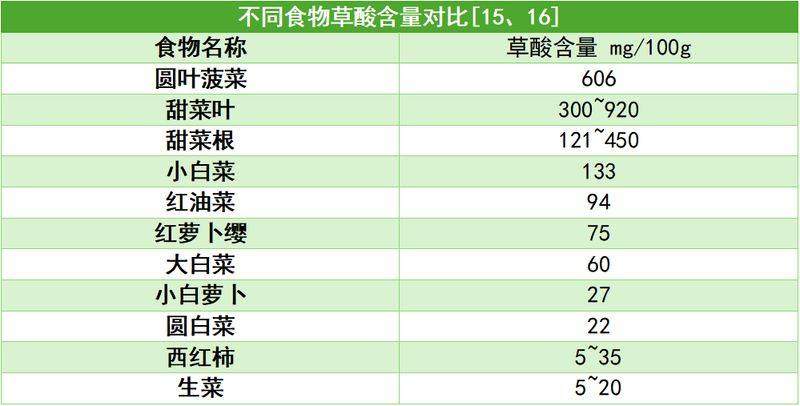
Eating algae not only affects the absorption of other minerals, but also increases the risk of kidney stones. If there are already kidney stones, it is even more important to limit consumption. In the case of healthy people, if you want to eat beet root, it is best to drink it with water; if you want to drink it, you better cook it and then squeeze it。
In addition, according to data from the chinese food component table, beet root is more caloric than the potatoes you eat as staple foods, which are 87 kcal/100g, 81 kcal/100g, and nearly 1. 5 times more than the hearted melon. So the beet root is not low-energy, it's a staple vegetable, and a beet juice can quickly provide energy support. So be careful not to eat too much during diet。