


Wind velocity monitoring sensor 1
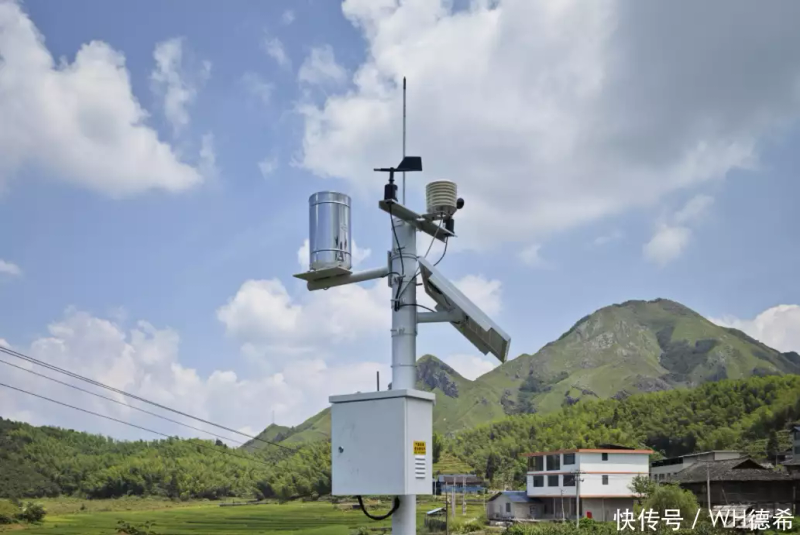
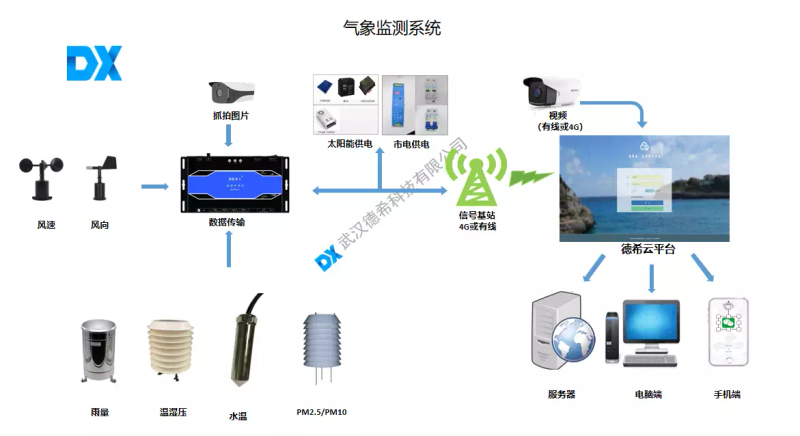
Wind speed and direction are extremely important meteorological parameters in the field of meteorological monitoring. Common wind-speed monitoring sensors have three cups of wind speed sensors and wind-directional wind sensors. The three cups of wind speed sensors are simple and crafty, and they consist of three identically shaped cups, which are fixed on a frame that can rotate freely around the axis. When the wind blows out, the glass starts to rotate around the axis with wind force, the more wind, the faster it rotates. The sensor is equipped with a high-precision revelocity measurement device, which, by measuring the speed of the cup rotation, is calculated on the basis of a specific mathematical model, gives an accurate estimate of the current wind speed。
Wind-directional wind-direction sensors are fundamental principles of aerodynamics. Windwards are usually a light, shaped object designed to allow it to move freely in the wind and to point steadily towards its direction. On the rotation axis of the wind object, a high-precision angle sensor is installed, capable of monitoring the directional angle of the wind object in real time and converting it into a digital signal output. The analysis of these signals allows for the precise determination of the current wind direction。
2. Application areas
In the area of wind power generation, wind speed and direction data are decisive for the efficient operation of wind generators. The blades of wind generators need to be fine-tuned to real-time wind speeds and direction to ensure that they capture wind energy at relatively high limits and increase the efficiency of power generation. When wind speeds are small, the blade angle needs to be adjusted to make it more effective in capturing wind energy, while when wind speeds are too high, the blade angle needs to be adjusted to avoid damage to wind generators due to excessive wind power. Through real-time monitoring and analysis of wind-speed data, the wind farm control system is able to automatically adjust the operating parameters of wind generators, achieve efficient use of wind energy, reduce equipment wear and tear and extend the useful life of equipment。
Ii. Moisture-monitoring sensor 1
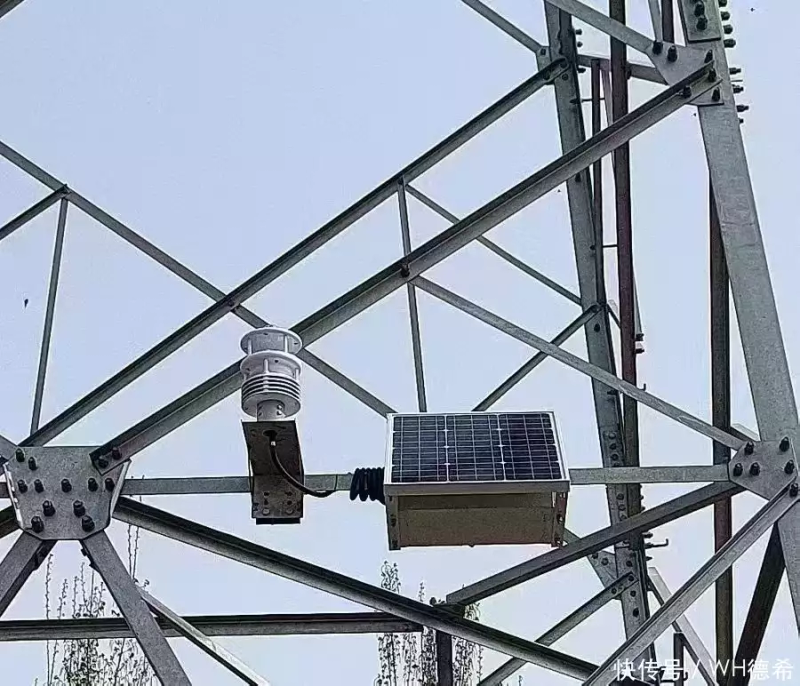
Temperature, humidity and pressure are the basic physical volumes describing the state of the atmosphere, and their changes have profound effects on weather conditions and human life. Temperature sensors typically measure temperature using the properties of heat-sensitive electrical resistance or thermoelectric dolls. Thermally sensitive electrical resistance is an electrical resistance element that is highly sensitive to temperature changes and whose electrical resistance values change significantly with temperature changes. When the temperature rises, the resistance to heat-sensitive electricity decreases; when the temperature decreases, the resistance increases. The current temperature can be calculated accurately by measuring the resistance value of the heat-sensitive electrical resistance and based on the pre-corrected temperature - the resistance relationship curve。

If you want to open an account in hong kong, you don't have to wait in hong kong
Thermal voltage is based on temperature sensors working on thermal power. It consists of two metal conductors of two different materials, which generate thermal power in the circuit when the two points are at different temperatures. The size of the heat voltage is proportional to the temperature difference of the two points, and the temperature of the detected object can be calculated by measuring the size of the heat voltage and combining the known thermoelectric properties curve。
Humidity sensors measure atmospheric humidity on the basis of changes in the electron properties of high molecular material. Common humidity sensors use high-molecular polymers as wet material, and when a water vapour molecule in the air is adsorbed to the surface of high-molecular polymers, changes in the electron properties of polymers, such as electrical resistance values, electrical capacity values, etc. By measuring changes in these electrical parameters and processing them through complex algorithms, current atmospheric humidity can be accurately derived。
Pressure sensors more often use pressure-retarding principles to measure the pressure by absorbing resistance changes caused by changes in atmospheric pressure. Pressure-resistant pressure sensors typically contain a silicon membrane inside, which, when atmospheric pressure works on the membranes, causes a slight disfigurement of the membranes, leading to a change in the resistance values on the membranes. The current atmospheric pressure can be calculated by measuring the change in the resistance value and based on a specific pressure - resistance relationship model。
2. Application areas
In agricultural production, humid pressure data have a significant impact on crop growth and development. Different crops have different requirements for temperature, humidity and pressure at different stages of growth. For example, in the seed bulging phase, appropriate temperature and humidity conditions are required to promote seed growth and seedling growth. At the flowering stage of crops, changes in temperature and humidity affect pollen dissemination and fertilisation processes, which in turn affect crop yields and quality. Farmers can rationalize irrigation, fertilization and farming activities based on the data of mild and wet pressure to prevent the occurrence of pests and diseases. When temperatures are too high and humidity is high, pests and diseases are easily triggered and farmers can take early preventive measures, such as spraying pesticides and improving ventilation, to ensure healthy crop growth。
Rainfall monitoring sensor 1
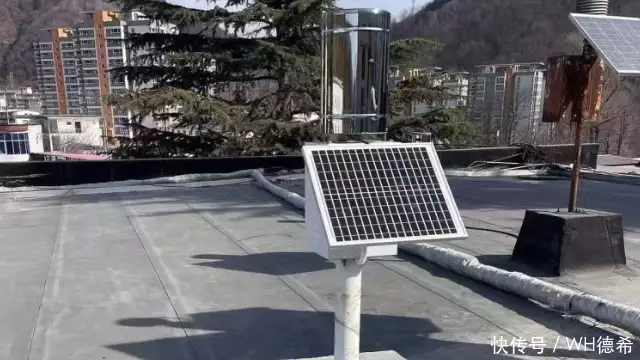
Collision rainfall sensors are common rainfall monitoring equipment and are based on simple and effective mechanical designs. Collision rainfall sensors consist mainly of rain vents, overturns, counting devices, etc. When rainfall occurs, it enters the sensor through the escalator and enters into the convection. The overturn is designed as two symmetrical fighting structures, with an intermediate link to form an institution that can flip around the axis. When the amount of rain in a dump reaches a certain amount, due to gravity, the tipping will automatically flip, pouring down the rain in the collage and restarting the rain. During the flip, the counting device is triggered and the count device records the number of flips. The exact amount of rainfall can be calculated by pre-defined cap capacity and the number of flips recorded by the counting devices。
2. Application areas
In urban drainage systems, real-time rainfall data can help departments to pre-empt drainage and avoid flooding in cities. Urban drainage systems need to be designed and operated with rational planning and scheduling based on local rainfall. Real-time acquisition of rainfall data through the installation of rainfall monitoring sensors in urban areas and their transmission to municipal drainage authorities. Depending on the size and changing trends of rainfall, management can launch drainage pumping stations ahead of schedule and increase drainage efforts to ensure that urban roads and underground facilities are not flooded. At the same time, rainfall data can also provide the basis for upgrading urban drainage systems and, through analysis of historical rainfall data, identify weaknesses in urban drainage systems and target adaptation and optimization。
In water works, rainfall monitoring is an important basis for reservoir storage management, ensuring the safe operation of water facilities and the rational use of water resources. Water storage in reservoirs needs to be reasonably regulated according to rainfall and water demand. When rainfall is high, reservoirs need to release floods in a timely manner in order to avoid reservoir levels that threaten the safety of dams. When rainfall is small, reservoirs need to have reasonable control of discharge flows to meet downstream agricultural irrigation, domestic and industrial water needs. Through real-time monitoring and analysis of rainfall, the water sector can develop scientifically sound reservoir control programmes to optimize the distribution of water resources, guarantee the safe operation of water facilities and the socio-economic development of the surrounding areas。
Iv. Pm2. 5/pm10 monitoring sensor 1
Pm2. 5 and pm10 are particles of less than 2. 5 and 10 Μm in diameter in air, respectively, which are important indicators for measuring air quality. Photoscatter is a common working principle for pm2. 5/pm10 monitoring sensors. Dispersion occurs when light is exposed to particles suspended in air. According to the mi-dispersion theory, the intensity of dispersing light is closely related to the concentration of particles, particle size, etc. Pm2. 5/pm10 monitoring sensors are equipped with high-precision light sources and light detectors, and the light from the source is irradiated to particles in the air, generating dispersive light, which is responsible for collecting and measuring the intensity of dispersive light. Accurate measurements of dispersing light strength, combined with complex algorithms and calibration models, allow the accurate calculation of concentrations of pm2. 5 and pm10 in air。
2. Application areas
In the field of environmental protection, pm2. 5/pm10 concentrations are important indicators for measuring air quality. Monitoring these data helps to detect air pollution problems in a timely manner and to adopt appropriate governance measures to protect public health. Long-term exposure to high concentrations of pm2. 5 and pm10 causes serious damage to human respiratory, cardiovascular, etc., causing various diseases. By setting up pm2. 5/pm10 monitoring stations in various urban areas to monitor concentrations of particulate matter in air in real time and to make the data available to the public, outdoor activities and protective measures can be reasonably organized according to air quality conditions. At the same time, environmental services can analyse sources and causes of air pollution based on monitoring data and develop targeted pollution management programmes, such as strengthening industrial pollution source control, promoting clean energy and optimizing traffic management, to improve air quality and protect public health。
It's a retrospective version. Picking up, brushing, beating fast



