The pomegranate growers, young men and families, are all in the same trouble every year:
The pomegranate flowers are full of twigs, and it's not a few days to wait, and it's hard to sit down with a bunch of little fruit, and grow up with soybeans and peanuts, and start to strut, and spend a whole year on the trees, and there's not a lot of fruit on the trees, and it's a lot of production, and it's a lot of work
Many growers are unmanageable and wait as soon as the pomegranate blooms, believing that it will produce results and that it will grow naturally, without knowing that the flowering period is the most critical period of pomegranate management. The pomegranates have a bad time line, they've grown all year round, they've been sitting on a pomegranate full of fruit, no figs, no fruit, they're not eating by the sky, they're being guarded by flowers, they've been growing my pomegranate for more than a decade, and they've made up six steps of real-eminence management skills, and they're all soaring, they can read and learn, they'll do, they'll do, the pomegranates will be covered, they won't fall, they won't fall
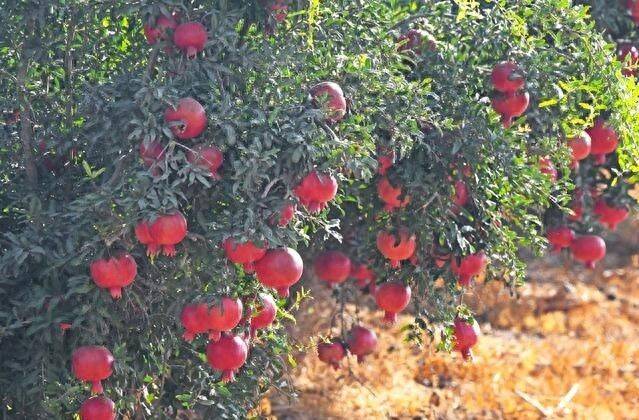
I. Further resources, elimination of industrial resources and reduction of contribution
Pomegranates are flowering, but 90 per cent of them are lying, degraded, unable to sit on the fruit, and they consume only the nutrients of the tree, resulting in a lack of effective flower nutrients and a large number of flowers, which are the first cause of the pomegranate's falling fruit, many of which must not be absconded。
The method of dereliction
1. Distinguishing effective flowers and ineffectiveness hana
Full flowers (good ones with fruits): flowers are full, flowers are fat, flowers have pomegranates at the lower end of the flower with visible pomegranates, petals are thick, and such flowers are the main result and must be retained。
Degraded flowers (false flowers): small, thin, low and low, flowering with petals and no results, all of which are cut out and none left。
2. Batching, precision
For the first time, when the flowers are present, and when they are able to separate them from them, do it right away, all the thin, small, dense and small flowers, all of them cut off from their roots, and keep the top of the branches, all of them strong and full。
The second flowering period: the flowering period, the fresh flowering of the lie, the cut flowers, the deformation of the flower, the clean-up of all the flowers, and the retention of two to three full-sized flowers on the same branch and the elimination of all the excess。
The third graft: in the early stages of the sitting fruit, the fragrances of the fruitless, the weak, and the extra bouquets around the small fruit are completely removed。
3. Core principles of flowering
To be small, to be weak, to be small, to be small, to be thin, to lie about fruit, to have more flowers on top of the canopy, to have more flowers on the periphery, to have less flowers on the inside, to have less flowers on the inside, to have more flowers on the inside, to have more flowers on the inside, to have more flowers on the inside, to have more flowers on the trees, to have more flowers, to have less fruit, and not to let the nutrients be wasted, so long as the nutrients are concentrated on the effective flowers, the seating ratio increases several times。
The pit reminds us that the more the flowers are torn apart, the more the fruit is torn apart, the first step in saving the money and saving the strength of the fruit, the better the fertilizer。
Ii. Water scientific control, between between water and between the water
Pomegranate trees are drought-resistant and watery. They're the second biggest killer of the fruit
Many fruit farmers watch the pomegranate blooms with frequent water and water pouring, the soil wet, or even sprung, and light lead to poor pollination of the flowers, the weight of which is oxygen-deficient, the size of the tree, and the direct fall of the flowers and the fruit; if the soil is too dry, the water will be lost and the flowers will fall。
Water manipulation technique
1. The optimal humidity, without water, is maintained in the flower soil, which is dry, and which is held in hand in clusters, loose and white on the soil surface。
2. No heavy water, no cold water, no hot water at noon, water for mornings and evenings, small and slow watering, watering with the roots of trees, water not permeating or pouring, water not spraying on flowers or young fruits, and avoiding pollen being washed away and affecting pollination。
3. In the event of consecutive rainy days, the first time they were able to dig up orchard drains, clean up the water, vent the pine soil, reduce soil moisture and prevent the root of the water from strewn after the rain, and cause a large amount of flowers to fall。
4. Extremely dry weather, with small water being poured once every three to five days, keeping the root system normal for siping, and severe water flooding and frequent watering are strictly forbidden。
The old farmer's advice is that pomegranates must have a lot of fruit, drought should be all right, water should be built up all year long, water should be managed and spent half the time
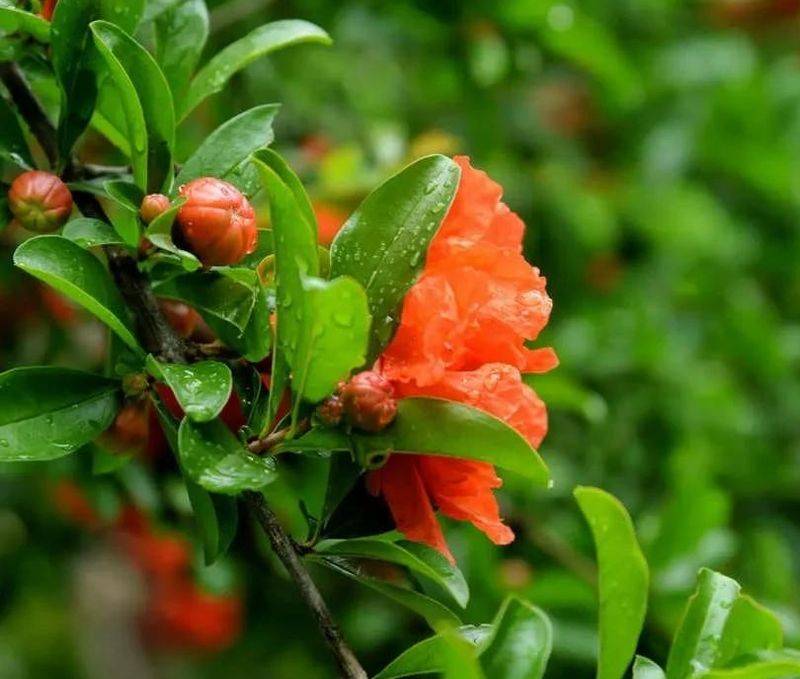
Iii. Quality of fertilisation in the bouquets, obscurity in the bouquets. Steady
Pomegranates spend a lot of time on fattening, and lack thereof leads to weak urea, flowers and yellow hair; they are overweight and misdeplete; they burn roots, grow fruit and fertilize with less nitrogen, potassium polyphosphate, trace elements, thinness and indigence; they must never be subjected to urea or high nitrogen。
1. Type of flower fertilization + use
Prohibition of the application of nitrogen fertilizers: urea and high nitrogen fertilizer in flowering can lead to the deranged growth of branches, the growing of leaves, the nutrients of leaves, flowers and the lack of nutrients for the young, and to the loss of crops。
The main phosphorus + boron fertilizer: phosphate contributes to the precipitation of flowers, the prevention of strong fruit, the promotion of pollination of boron fertilizers and the increase in sit-in rates, which are necessary nutrient supplements for pomegranate periods。
- root fertilisation: before the flowering period, each of the adult trees, potassium + boron fertilizer applied to phosphorus, dug shallow ditches along the canopy drip line, buried in small quantities, fertilized and thin soil, with a small increase in the number of weak trees, with fewer fertilized trees and avoiding the burning of roots。
- leaf fertilization: two-time foliage fattening, rapid absorption, quick effects, immediate effects of the preservation fruit。
First: in the prime flower period, potassium phosphate + boron fat, flat-sprayed leaves, flowers, branches
Second: after flowers are cut, during the gestation period, with another spraying, to consolidate the effects of the fruit and prevent the fall of the fruit。
2. Fertilization precautions
1. The concentration must be low, with thin fertilizer sprayed to avoid high concentrations of flowers and larvae
2. Leaf-sprayed evenings with no wind, avoiding high noon temperatures and preventing rapid evaporation and poor fertility
3. Old, weak and sick trees, pre-penalized farm fat, restored to the tree, followed by phosphorus potassium fat
4. No fertilizer, fatty, high nitrogen at all times。
Core points: powphos-polyphosphate during flowering, flowering, boron fertilizer, pollinating with fruit, fertilizer matching, and a steady twig of young fruit。
Iv. Artificially assisted pollination, increasing sit-in rates and eliminating the lack of results
Pomegranates are vermin-brought and are pollinated by bees and insects. If they are ferocious, hot, wind-free, insect activity is low, pollinating is extremely poor, flowers are blooming without fruit, artificially assisted pollination is the most direct way to increase the number of sitting fruit, which is simple and can be done by older women。
Powdering methods
1. Time: 8-11 a. M. On a sunny day, with the highest pollen activity, the highest success rate in pollination, and no operation during rainy days and high temperatures at noon。
Methodology:
Method i (simplified version): clean hair pens, tampons, pollen on a strong male flower, and light paint on the full flowered female, every good flower is evenly wiped, and the flowers are pollinated。
Method ii (provincial version): take off the blooming males, direct them to the full flower, touch them lightly and pollinate them, and give them three to five。
3. 2-3 days of continuous pollination, increasing the success rate of pollination, with a conditional orchard, with a box of bees for the flowering period, and with a better effect of pollination, with a direct doubling of the rate of fruit。
The pit avoidance reminds us that bad weather does not expect natural pollination and manual pollination will solve the problem of flowering and low-sitting, which will take five minutes to pollinate and produce 10 times more fruit。
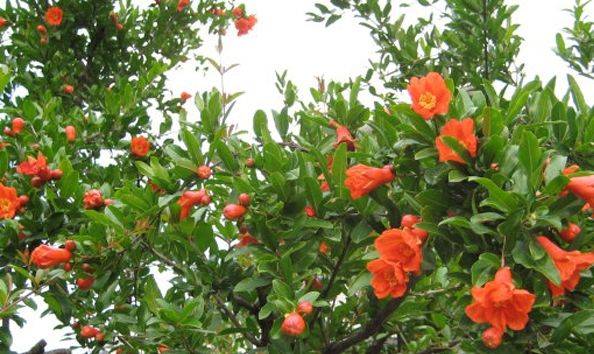
V. Plumbing and cutting, smoothing the branches and feeding all the flowers and fruit
The pomegranate branches grow and grow, the cleavages grow, the cross branches, the twigs and the infirmity of the branches are too large, they compete with the fruit for nutrients, resulting in poor ventilation, a severe drop in the fruit, a lighter cut and a long run, which is more important than day-to-day care, and is carefully cut and never recut。
Practising shearing technique
1. Cutting out useless branches
The long, thin, sick, cross, overlapping, vertical branches inside the canopy are cut off from the root, the canopy is ventilated, nutrient consumption is reduced, and sunlight and ventilation are covered by the flowers。
2. Erase excess buds
To remove the trunks in time, the useless new sprouts on the main branches, the new sprouts, the new sprouts, the new strangulations, and the preservation of the male branches of the fruit, with only the latter。
3. Cardiac control
At the top of the result branch, it is easy to take care of it, to keep it under control, to prevent it from growing and to concentrate all its nutrients on flowers and young fruit。
Cutting principles: light cutting of branches, non-sawing of large branches, non-harming of main branches, improvement of ventilation, reduction of nutrient consumption, non-extension of branches, nutrients for the fruit of flowers and a reduction in the line of falling fruit。
Vi. Flower pest prevention, early prevention and protection against fallout
Pomegranate periods, increased temperatures, increased humidity, high infestation of pests and pests, when infected with insects, flowers, fallews, bad fruit, many orchards have long lead times, with pests and pests at the end of which the harvest is lost, flower pests and pests at the end of the period being primarily preventive and not blindly drug-treated to protect flowers and young fruit。
Common pests and pest control
- diseases: black spots, brown spots, flower scavenging, fruit scavenging, mainly in the form of molding, blacking, rotting and yellowing of young women and children。
Prevention methods: cleaning orchards, leaves, weeds, keeping them clean, reducing the incidence of disease, using safe microbicides at the beginning of the disease, diluting them and spreading them evenly, avoiding flowering。
- insect pests: aphids, red spiders, peach-eating heartworms, ostrich horses, gnawing flowers, ingesting juicy juice, resulting in falling fruit。
Precautionary methods: insect pest detection, use of plant sources, low-toxic and safe insecticides, precision spraying in the evening, pest eradication and pest eating of flowers。
2. Preventive precautions
1. To minimize the use of drugs during flowering periods, to use them during prime flowering, after flowering, to choose a moderate agent, to strictly control the concentration and to avoid the harmful effects of the drug
2. Early prevention is more effective than treatment after the onset of the disease, with orchards clean and sanitary and half of the pests and pests missing
3. Discovery of sick flowers, fruit, insect fruit, and timely removal of fruit from orchards and burials to prevent the spread of pests。
The old farmer reminds us that pest and disease prevention and control do not wait long enough to wait for flowers to fall, to be prevented early, to be protected and to be healthy。
Precipice tube care in the later stages: oscillating fruit, steady fruit protection
When pomegranates are given flowers and young fruit sits, and the fruit is cut in time, this is the key to preventing the fallout:
The deformity, small fruit, pathological fruit, dense seedlings are completely removed, the strong branch leaves two to three fruits, the weak branch leaves one fruit, the single fruit has a distance of more than 10 centimetres, the fruit is reasonably preserved, the fruit is avoided from crowding over nutrients, and the post-frust and fall fruit is ensured that each fruit absorbs sufficient nutrients and is fully and steadily attached to the tree until maturity。
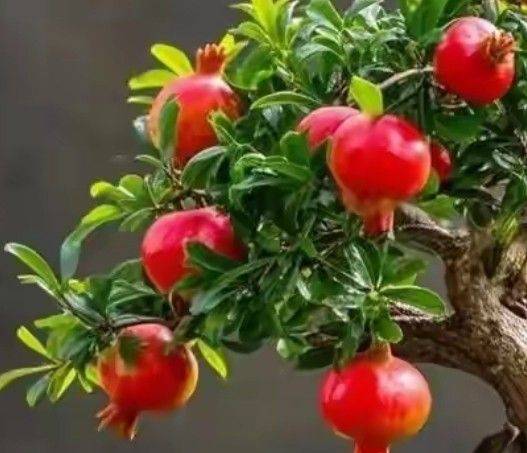
Summary of full text + the advice of the old farmer
Pomegranates, bouquets, good harvests, and finally six management points, which are easy to read, easy to remember and practical:
Pomegranates should be kept in mind
Potassium phosphate does not apply nitrogen. Artificial pollinator. Full
We'll fix the branches, we'll take care of them. Less
Don't lose your heart
In the end, let's be honest with all the pomegranate growers: the pomegranates must wait and wait, be lazy, blindly guarded, and end up empty. In accordance with the 6 above, flowers, water control, fertilizer, pollinating, trim, disease prevention, every step of the way, fine tubing, tree strength, flowers, whether planted in the field or in the courtyard, can sit in fruit-rich, fruit-poor, small pomegranates must be wrapped up in pieces, produce a lot of money after autumn
The people who think it's a good idea to sing, collect, transmit it to their friends who grow pomegranates