In the countryside, many families plant pomegranate trees, with red fire, full of pomegranate seeds and sweet water, so that they can solve their own problems and when they mature, they can get increased income from market sales. A number of home-town pomegranates have fallen out of their minds, watering and fertilizer, but are sad as soon as the flowers rise。
The trees are full of flowers, the wind is blowing, the rain is pouring down, the flowers are pouring down, and it's not easy to sit on little fruit, and when they grow to the size of a button, they fall off, and they last have a few fruits left on their trees, and they have little to gain a year. I have spent more than 20 years in marble pomegranates, and i've seen the doormen of the flowering fruit, so that the flowering season does not wait for natural results, and with six well-settled management methods, i can keep the pomegranate steady, and the pomegranate is covered with branches, with little loss。
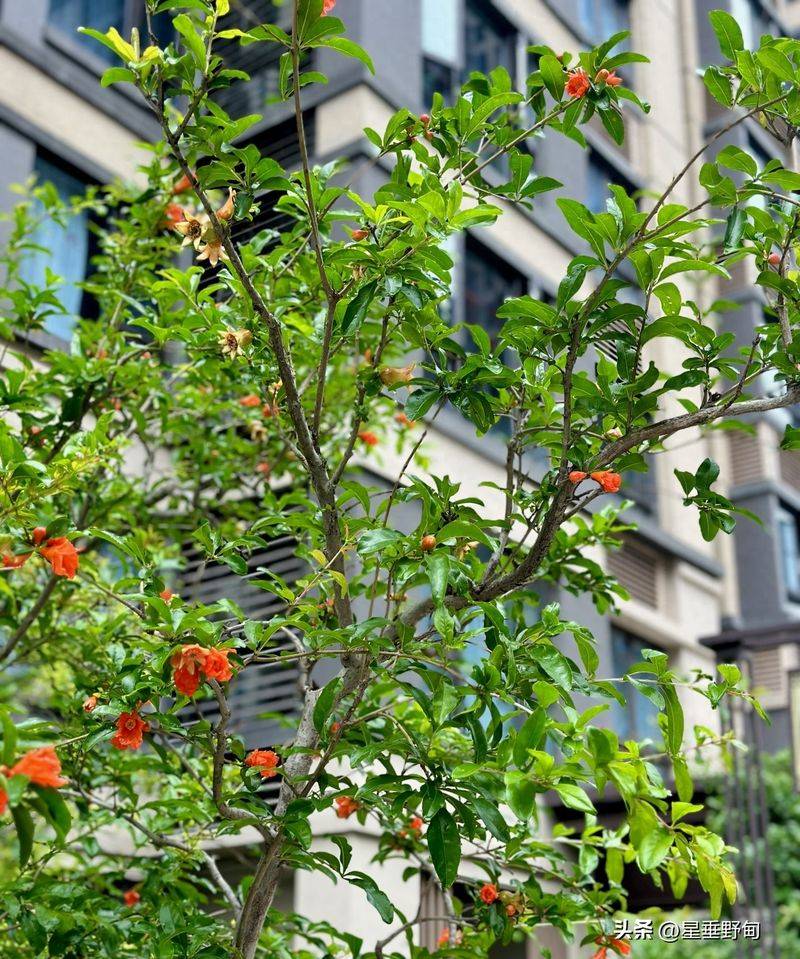
First move: weaseling the flowers and saving the nutrients. Go
Pomegranates are particularly flowering, and they are well divided, and not more. Useless, weak flowers and lying flowers only consume the stem nutrients of trees in vain and take away the nutrients of healthy flowers, which is also a major reason for falling fruit。
Conduct practices
After flowering, the flowers are carefully identified, with small heads, thin petals and small bouquets, and they are all lies that bloom without fruit, and they are cut off。
On the same branch, the flowers, which are well-positioned and full of flowers, are properly removed from the dense places, leaving one or two high-quality flowers。
The earlier the flowering, the less the nutrients consumed, the more stable the remaining bouquets and the later the fallout from the source。
Old farmer's alert
Do not be afraid to strangulate, and leave too much of the tree burden, and most of it will fall off, with less and more to bear。
Second move: fashion control of water, no protection. Hana
Pomegranates have the greatest fear of soil and water and of soil being drenched and wet. Many people look at flowers and water is often poured, the soil is wet for long periods, the roots are not breathing well and nutrient transmission is hampered, and there are large numbers of flowers falling immediately。
Watering rules
The bouquet follows dry conservation and the soil surface is dried up with a small amount of water, which is poured along the outer edge of the tree canopy and does not go straight to the root of the tree。
In the event of consecutive rains, the drains of the trees are cleared early, water is drained in time, and the rain is followed by an appropriate estrangement。
The water supply will be increased gradually to meet the demand for fruit growth after the small fruit has stabilized and has begun to expand。
Third move: science to fatten up, so that the flowers don't fall apart
Fertilisation during flowering is not allowed to take place in an arbitrary manner, and many farmers are used to urea-based nitrogen fertilizer, more than one nitrogen-based fattening, long branches of the tree, nutrients are supplied with leaves, flower sitting capacity is significantly reduced, and problems with the fallout occur successively。
Phased fertilization techniques
1. Pre-flowering period: focus on supplementing phosphorus potassium fertilizer, promoting full growth of flowers, raising the quality of flowers and laying the foundation for sit-ins。
2. Period of flowering: stop the root pursuit of fattening and avoid the loss of flowers due to fertilizer stimulus, which can be supplemented with micronutrients by light spraying of thin leaves。
3. In the early stages of the guava: after the flower successfully sits on the pomegranate, a small amount of fatting will help the young grow fast and strengthen the fruit。
It is natural to significantly reduce the probability of falling fruit by reducing the use of pure nitrogen fertilizer at all stages, the length of the leaves and the concentration of nutrients in the supply of flowers。
Number four: rationally triming the leaves, and radiantly sitting the fruit
The leaves are too thick, the chamber is infested with wind and light, and the hot and humid environment is prone not only to disease, but also to the weakness and loss of internal fruit。
I'm going to trim the points
1. Cut the interlocking branches of the chamber, the internal branches, the overlapping thin branches, and open the tree vent。
2. To remove, as appropriate, the dense leaves that shield the flowers and the young fruit, so that every flower and every little fruit may tan the sun。
3. The peripherals are short-lived and controlled, inhibiting the growth of useless branches and preventing the waste of nutrients。
Trees are luminous, flowers are stronger and wind and rain are not easy to fall。
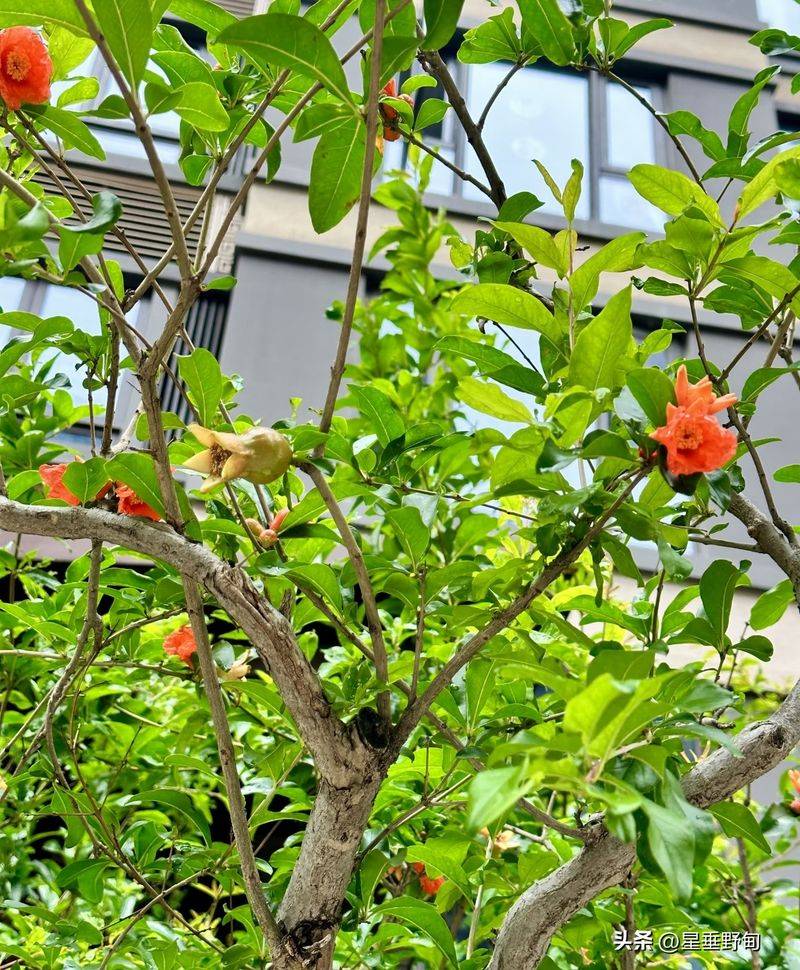
Number five: assisted pollination to increase the success rate of sit-ins
Plantation in the courtyard, a single pomegranate tree, is prone to low levels of pollination, and the flowers look good, but they do not grow into fertilizers and are slowly yellow。
Simple and practical methods of pollination
It's the perfect time for pollination。
The branches can be moved gently and the wind can be used for natural pollination; there is only one tree in the family, which can also be painted with clean cotton, and pollen can be drawn among different flowers。
After full pollination, there was a marked increase in sit-in rates, with few flowers and a high number of young fruit reserves。
Number six: pest prevention and foliage protection, and no infestation
Aphids, heart-eating worms and all kinds of leaf diseases are found in high-pregnancy periods. They eat flowers, attack young fruit, and are affected by pests. They fall off in a few days。
Daily protective measures
Frequent visits were made to branch leaves and a small number of pests were found to be removed manually。
Precaution is done before flowering, using a mild anti-fouling method to minimize the spraying of medicinal agents and avoid drug-water irritation resulting in falling flowers。
When the fruit sits firmly, it is regularly inspected and early detection is made of the problem and the pests are not allowed to bear fruit。
Wrongly managed vs6 finely managed comparison
Let's just sit and wait for the results
The flowers are not combed, the water is so fat that they are fed indiscriminately, the leaves are not trimmed, the pollination is inadequate, the pests are infested, the trees are infrequent, the fruit is small and of poor quality。
Six-step care
Weak flowers are preserved, water-controlled fattening stabilizes the tree position, trims the tree form with ventilation, supports pollination to raise the seating fruit, and provides pest protection. The flowers are strong and rarely fall, the branches are covered with pomegranates, and the fruit is full of fruit。
The old farm pomegranates are rumored
The pomegranates are blooming and waiting。
Losing the weak flowers leaves the buds and running the water less impulsive。
Potassium phosphorus is used to supplement the prophylactic length and to cut the luminous fruit。
Auxiliary pollination against insects, full of mangroves。
Summary of text
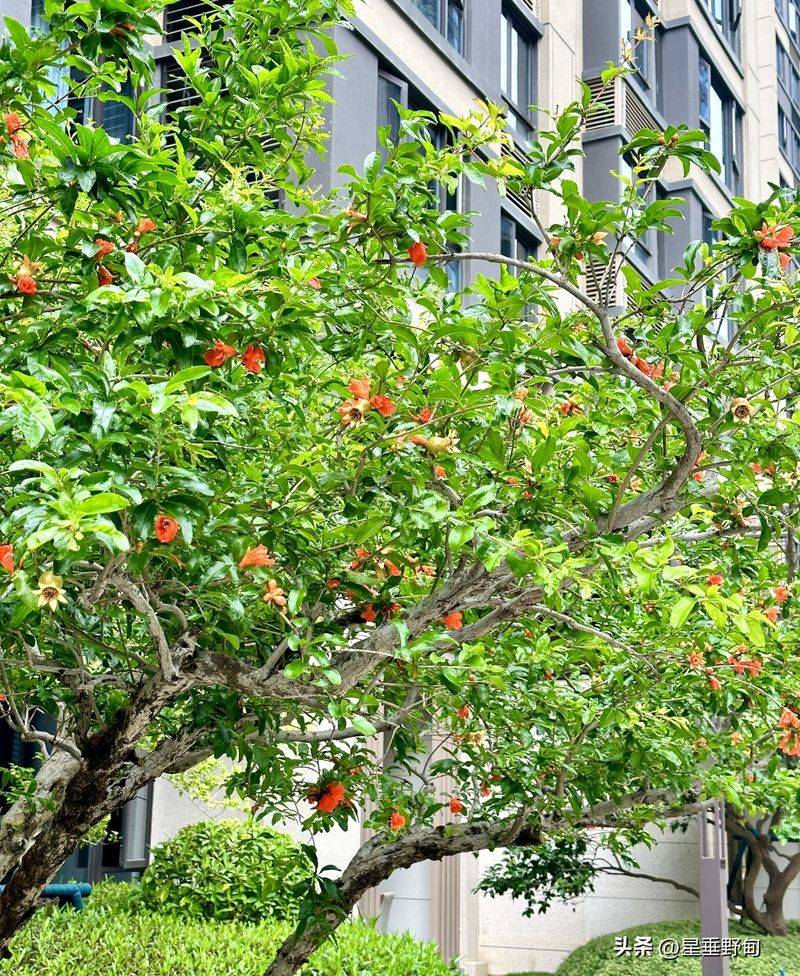
Pomegranates must not wait only for natural results, and the six key methods of flowering, water control, fertilizer, wiping, pollination, pest control can easily solve the problem of falling fruit。
Controls the details of the care at each stage, not blindly fertilizes the water, rationalizes the tree-shaped fruit, distributes its nutrients evenly, and the fruit hangs firmly on the branch. Under this approach, every year, pomegranates are harvested, home-grown tastes of sweetness and good income from sales。
The old people who planted pomegranates in their homes, take care of them while they're flowers! The comment section talks about small conservation experiences。
Disclaimer
The pomegranate management techniques in this paper are many years of practical experience in the planting of fruit trees in the garden, differences between the north and the south, the age of the fruit trees, the planting soil, and flexibility in water fertilization and cutting. Care methods are used only as a daily conservation reference, and extreme storms and heavy pests result in a reduction in the production of flowers and fall fruit, with no associated planting responsibility。