During the “cultural revolution”, the party's intellectual policy was severely undermined. After crushing the “four gangs”, the party's centre has completely reversed the intellectual issue, putting the party's intellectual policy back on track。
In august 1977, deng xiaoping, who had recently returned, hosted a symposium on scientific and educational work in the people's hall. At the meeting, deng xiaoping asked for clarification of the “two estimates” of the educational front and for a renewed culture of full respect for knowledge and respect for civilization. The “two estimates” were presented in the proceedings of the national conference on education, which was finalized in august 1971 by the “four gangs”, and which read as follows: “the great cultural revolution” was preceded by a 17-year educational front in which the bourgeois had monopolized the proletariat, a “black-line dictatorship”; among intellectuals, the world view of the majority was essentially bourgeois, a bourgeois intellectual. The “two estimates” were heavy on teachers, intellectuals and undermined their motivation。
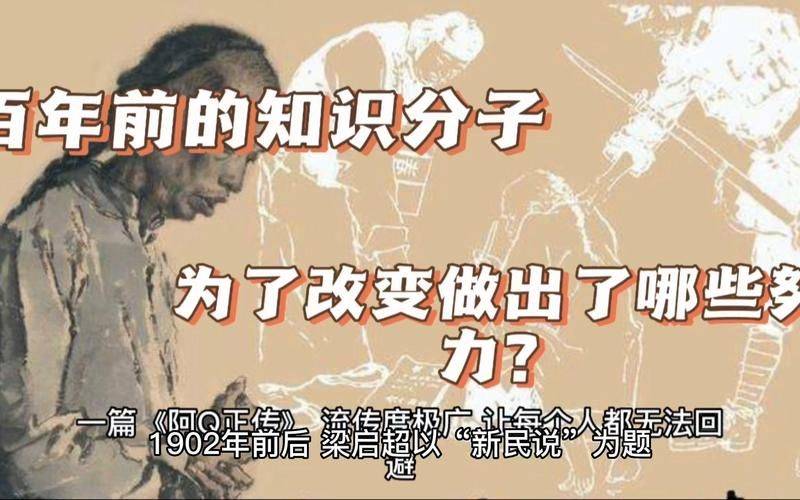
On this occasion, deng xiaoping made clear that: seventeen years after the establishment of the new china's educational front, “the dominant side is the red line”, and in 17 years, “the great majority of our intellectuals have consciously and voluntarily served socialism”. He also pointed out that both scientific research and education were workers. Work must therefore be respected, talent must be respected, and intellectuals must be rehabilitated. According to the famous physicist, vice-chancellor shen ke qi of the north pole, who participated in the conference, “the science symposium achieved two breakthroughs: i think we've broken "two things" and "two estimates" on the scientific front. Without these two breakthroughs, it would not have been possible to correct the organization of the scientific front.”
In march 1978, the national conference on science, which was unprecedented in our scientific history, was convened in beijing. On that occasion, deng xiaoping solemnly and loudly declared that science and technology are productive and are becoming increasingly important; that the vast majority of our intellectuals are already intellectuals of the working class and of the working people themselves, are already part of the working class itself, and are a strength of our party. This restored the party's correct judgement of the intellectual class identity in 1956, which was enthusiastically embraced by delegates and the national intellectual community. “let us open our arms and embrace this spring warmly!” at the close of the general assembly, guo yoo yoo gave a written speech entitled “scientific spring”, which spoke to a wide range of intellectuals。
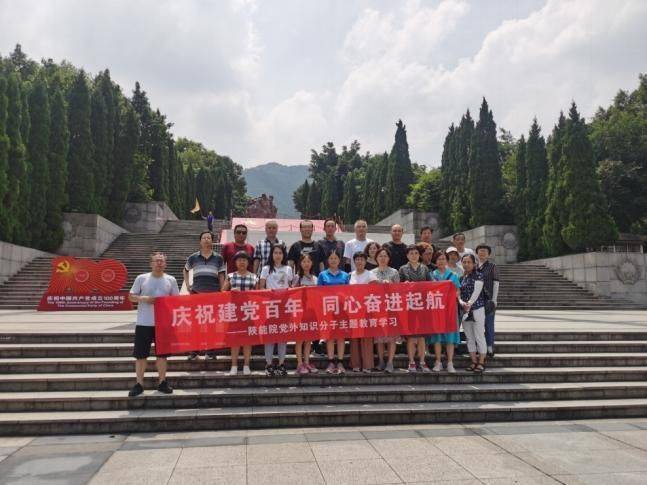
Following the national science congress, in april 1978, the national conference on education was held in beijing, where deng xiaoping spoke. He further asked: “we want to improve the political and social status of people's teachers. Teachers should be respected not only by students but by society as a whole.”
The successive sessions of these conferences have changed the misconception that intellectuals are being treated as bourgeois intellectuals and have created a correct understanding of their place and role in revolution and construction。
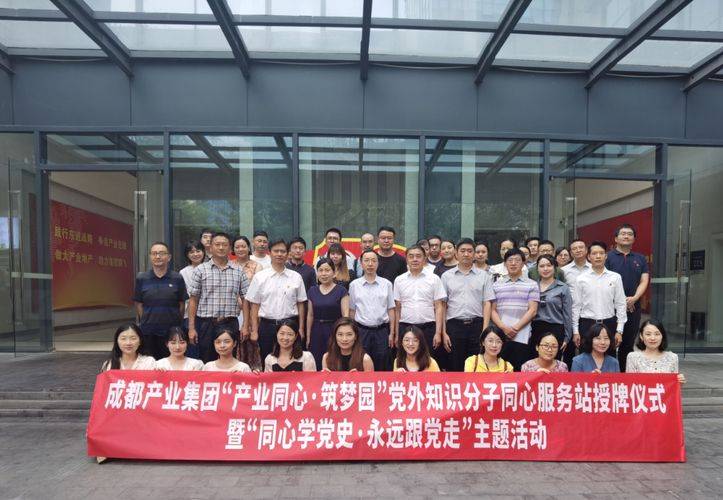
On this basis, the implementation of the intellectual policy is proceeding rapidly: in october and november 1978, the central organization held a partial colloquium on the implementation of intellectual policy, which proposed that intellectuals should be trusted fully and that their talents and talents should be used to improve their working conditions and lives; in november 1978, the central organization department issued a number of opinions on the implementation of party intellectual policy, proposing that work continue to be done to redress grievances; between 1982 and 1986, four successive national inspections were carried out to promote intellectual policy implementation; and in october 1982, the central office transmitted a report to the central organization department calling for further strengthening of the work of intellectuals to develop their membership
The successive adoption and implementation of these policies and measures have created a favourable atmosphere of “respect for knowledge and human talent” within and outside the party. The vast majority of intellectuals have worked with ease and spirit, providing strong talent for the modernization of socialism。