Today, look at the internal principles and structure of this machine, which is pumped to the pole。
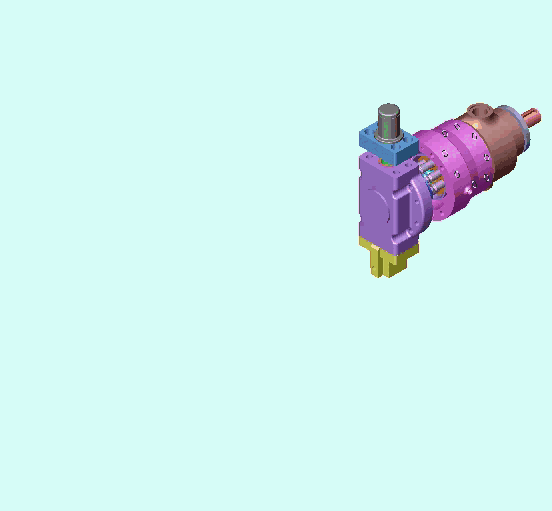
The first was an animation, where the video presented the institutional design and working principles of the axle to piston pumps. Use of main components: pistons, casks, anal discs, axes, distribution discs. How does the axle-direction pump work? What's the difference between a tilt and a bend pump? You can learn about this by watching videos:
I. Categorization of pumps (madas):
The type of axle piping is the same as that of axle piping, which is also divided into axle piping and anxle pumping。
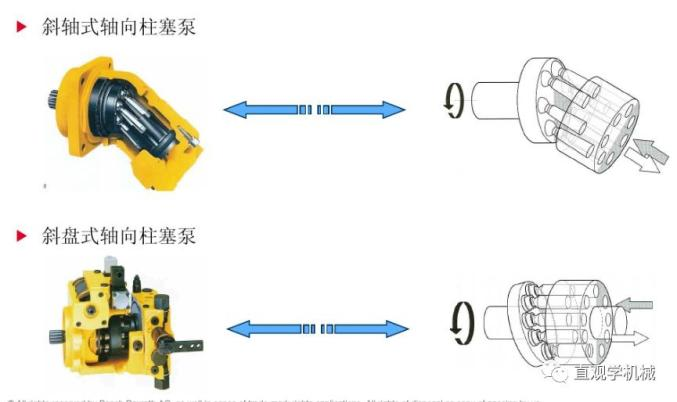
(b) tilt piping: every turn of the cask, each cavity moves back and forth, and completes the pumping and discharge. A change in the inclination of the tilt disk will change the effective variation of the sealed work volume to achieve the pump variable。
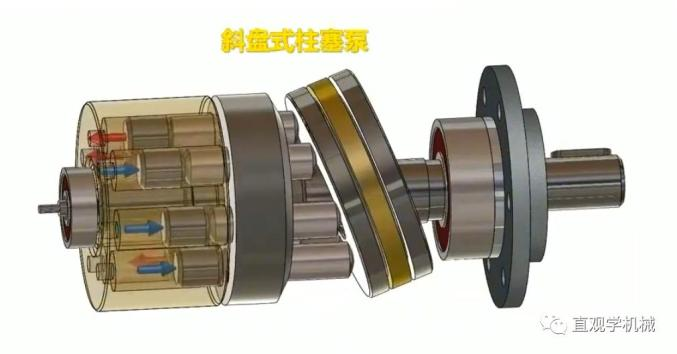
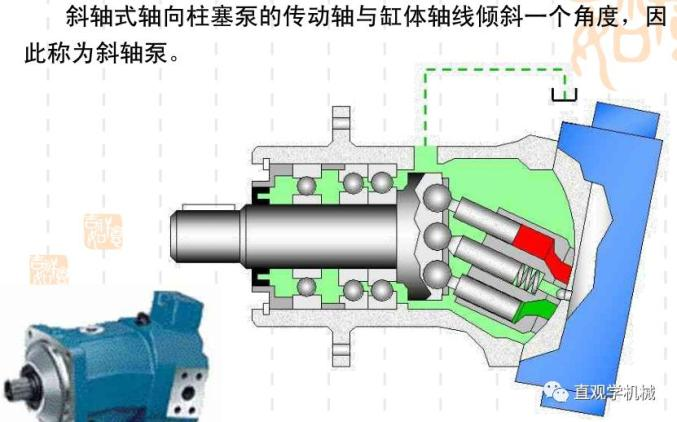
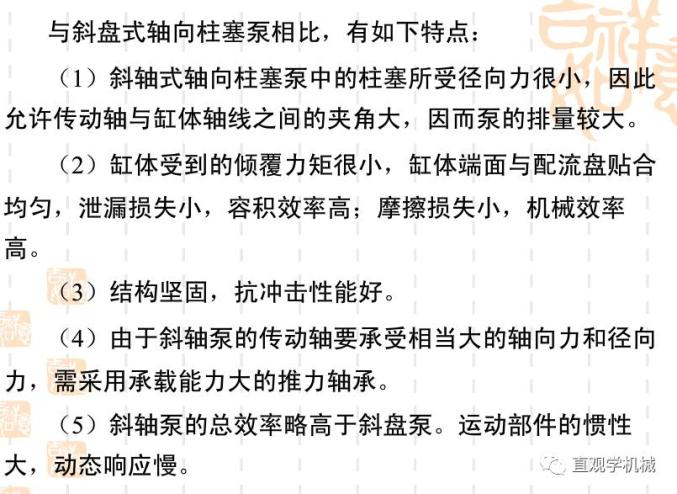
Ii. Structure and working principles of the pump (mada):
The following is a map of the core components within the axle-to-pump and the intake and discharge of oil。
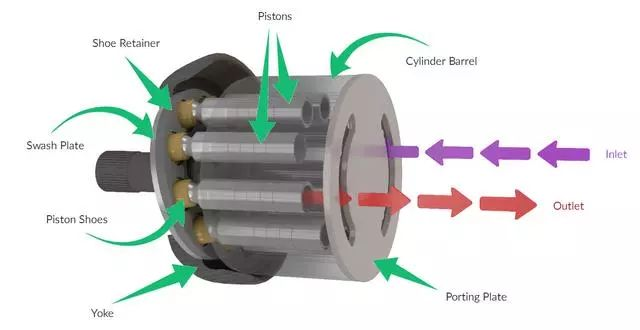
A brief introduction to the soak and draining process
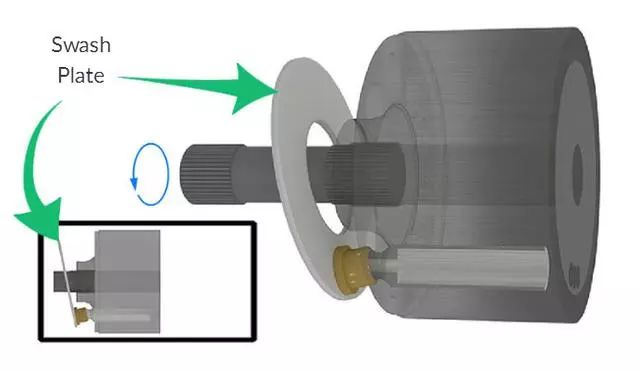
When the casket turns to the top, the cascading hole is just filled with oil and is ready to excrete
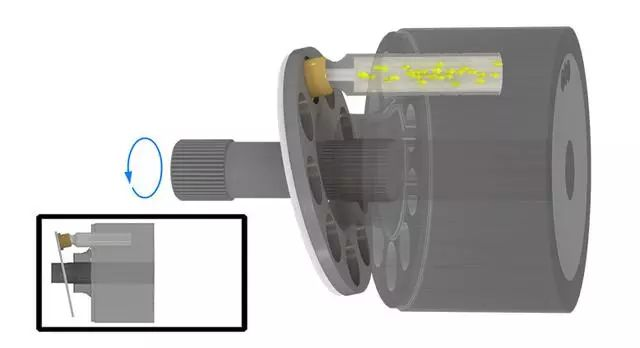
The following is a complete process of oil pumping, discharge, and if the casks continue to rotate, the cylinders will continue to suck and drain, which is how the axle-to-pumps work
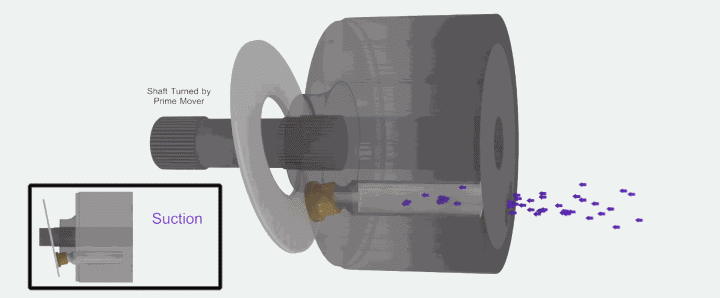
It's not hard to understand when you look at it in the overall structure
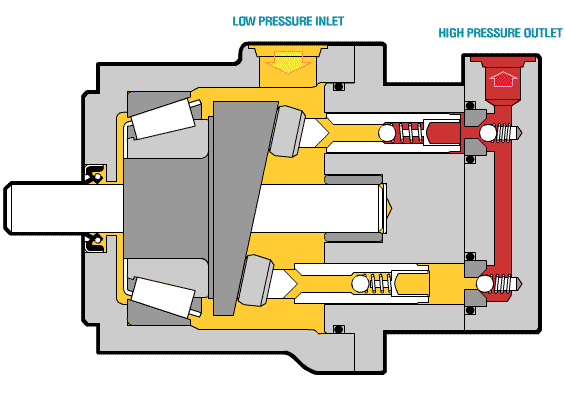
It's a piston-pump motion map, and we can see the structure. Here's animated more clearly:
The following video is a presentation from the hetek pump (mada), in which the structure and composition of the pump (mada) is clear and is a great video:
To understand the structure and operation of the piston pump, the following is an animated map of whether it is a hydraulic motor or a piston pump:
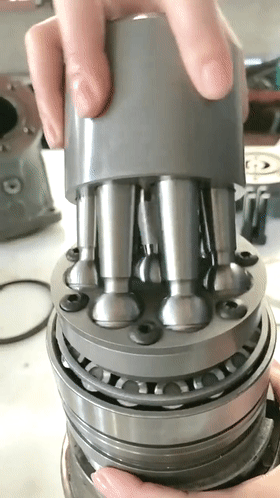
It was said that it was a hydraulic motor and it was noted that it was a piston pump. The main reason for the confusion is that the structure of the axis towards the pillar of semada is essentially the same as that of the axis towards the piston pump. Hydraulic motors and hydraulic pumps are, in principle, reversible. If driven by electric motors, the output is the pressure energy (pressure and flow) which is the hydraulic pump; if the pressure oil is imported, the output is the mechanical energy (traverse and velocity) which becomes the hydraulic motor. This is the relationship between generators and electric motors。