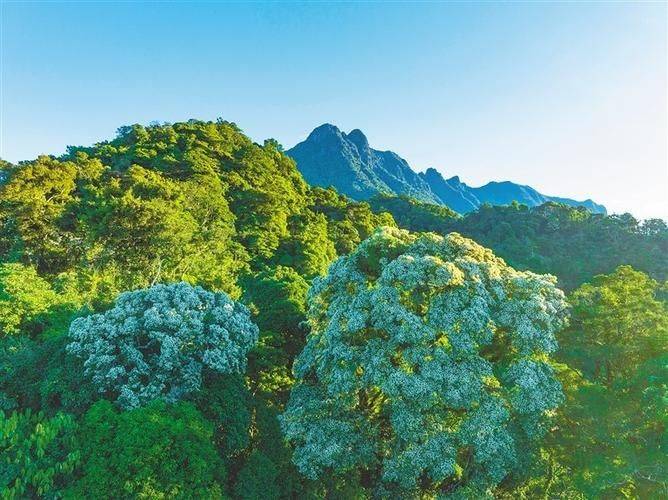
Walking through the sea south, green trees are visible everywhere, and the depths and depths of green are the ecological background of the sea south. By the end of last year, my province had 62. 1 per cent forest cover, the top five in the country。
If trees planted in the south of the sea are carefully observed, it becomes clear that the native species are the main forces of the green side of the sea. In recent years, rare native species such as fragrances, yellow pears and slopes have been widely cultivated in municipalities and counties because of their adaptability and cost-effectiveness。
The native tree species reflect the local nature and carry home. Rationally promoting the cultivation of native trees in afforestation and reforestation can effectively reduce production and conservation costs. However, it should also be noted that there is still much to be done in my province in terms of increasing the number of varieties and harmonizing industry standards in order to promote the cultivation of native species in the province, and that there is an urgent need for all parties concerned to “take care of the symptoms”。
The rare native trees are grown into green banks
On 27 april, trees were planted in front of the house in the village of maroon, daejeon town, orientale city. If the houses surrounded by the mother-in-law green trees are present, the chickens feed under the trees, the teenagers play under the trees, and the elderly sit under the trees and chat, with a view of the field。
“our village is an immigrant village of the dam reservoir, which has been a habit of planting trees since its relocation and now has about 100,000 trees, mainly pears.” according to the secretary of the party branch of maron village gilly, almost all of the open areas where trees could be planted were planted behind the village's front house, by the ditch and by the creek。
In recent years, with the guidance of all levels of government, my provincial population and some forestry enterprises have been active in planting pears. In orientale city alone, five model pear-growing towns, 76 model pear-growing villages, three communities, two pear-growing schools and one million acres of pear-growing cultural park were built。
Not only is there a pear, but in recent years hainan has promoted the cultivation of rare native species, which are widely grown, such as saloons, oil tea, slopes, etc。
The tavern of the yuguk village in the town of gallé, summae county, is equipped with fine handicrafts, such as fans, hand-stamps and threads made from sunsmelt, at a price of $1,000 per grams of refined oil。
In the old village, which had grown mainly aluminum trees, only over 300 yuan per ton of wood was generated. Following the replanting of the aroma, the average acre revenue is expected to be over $430,000, while the average acre revenue from acre is about $1,000。
According to the director of the provincial forestry service, cai xian wang, there are fewer iowa lands in the province and afforestation is shifting from quantitative to qualitative. With regard to the promotion of tree species, my province is now strongly advocating the cultivation of earthy native species, such as fragrances, yellow pears and slopes, making full use of land resources such as wastelands and slopes to plant precious trees, change the monolithic status of planted forest trees and improve the efficiency of the forestry industry。
It's not easy for the market to accept the new face
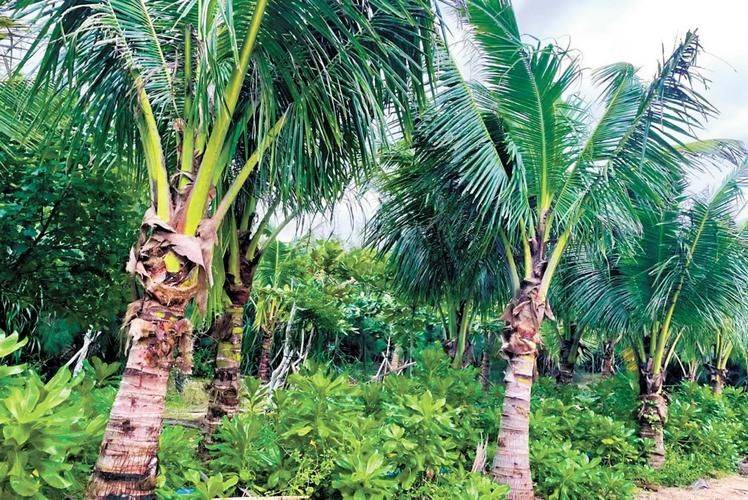
Sea and south climate conditions are unique and biodiversity rich. In accordance with the principle of “dwelling trees”, my province has a large number of native trees suitable for planting。
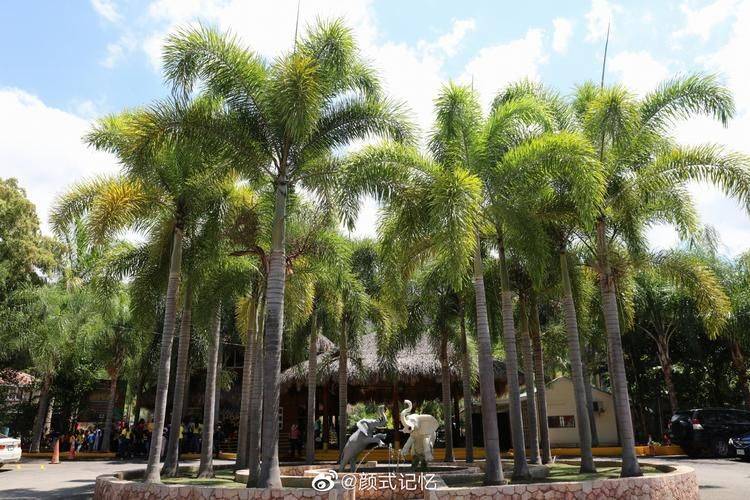
At present, in rural areas of my province or in business farms, more of the country's native species are grown, such as yellow pears, fragrances, cedars, slopes, oil tea, etc. In urban areas, more are grown in the country's native species of phoenix, kimmer, and sea-nambes。
“there are many valuable native species in hainan that deserve to be promoted, but there is little awareness of the species, and people are not aware of the economic, ecological and market values of these valuable species. According to zhou jiang, the head of the orient city precious tree cultivation base, henan is rich in precious tree species, but relatively few are now promoted。
Sea defences are the first line of defence against wind. The magma that grows in the coastal zone is a developed, wind-resistant and drought-resistant plant, an ideal tree for the coastal zone to maintain soil and prevent the desertification of land for reforestation, and has a high level of oil in the cucumbers and the extraction of fruit oil of economic value。
“now that the protected forests planted by the sea are predominantly pheasant, i believe that the cultivation of the joan cliff is also appropriate to enrich the biodiversity of the sea-resistant forests.” according to zhou jiang, he had cultivated a number of concubines in nurseries, but there was low acceptance of the acreage and poor marketing。
Cai xingwang believes that the domestication of a good native species requires a long period of experimentation, which, together with the difficulty of market extension, makes the promotion of new species not a simple process. In particular, in the area of market promotion, good native-born species are good agricultural products that require product managers to package and plan marketing。
Regulatory development of science and technology or enabling industries
By the end of last year, according to the provincial forestry authority, my province had 233,000 acres of native rare trees, of which the greatest area was under pear and saliva。
Wang an zhong, vice-president of the provincial shima association, explained that, in recent years, the area under heinan's sunsmelling cultivation had gradually expanded, but that the fragrance products in the market were ill-known and lacked industry standards, and that the development of the fragrance industry faced some disadvantages。
Zhang jianjun, secretary-general of the yellow pear development foundation of oriental city, believes that promoting the planting of yellow pears and aroma and bringing their prices back to normal levels are conducive to the healthy development of the industry. At present, there is a lack of uniform industry standards for the processing of pears and aroma, and the transparency of industry information needs to be improved. In the industry, there is a lack of scientific means to detect yellow pears and aroma, and wood is difficult to discern and prone to crisis of trust。
The use of scientific and technological means could help to promote a more regulated industry. Professor chen jinhui, university of heinan school of gardens, described the use of tree-free testing techniques at heinama university to detect the internal growth of a tree dry without damage to a tree. The results were not only a report on the health of the tree but also a scientific basis for judging the growth of core materials within the tree。
Industry experts believe that there are innovative applications of tree dna technology in the country and that future pricing of wood through scientific and technological testing may help to regulate the market for precious wood, such as yellow pears and smoulders, and to lay the foundation for the promotion of the cultivation of valuable native species. However, according to hainan daily news journalists, at present such detection (detection) techniques are not widely used in the country and still require practical testing。