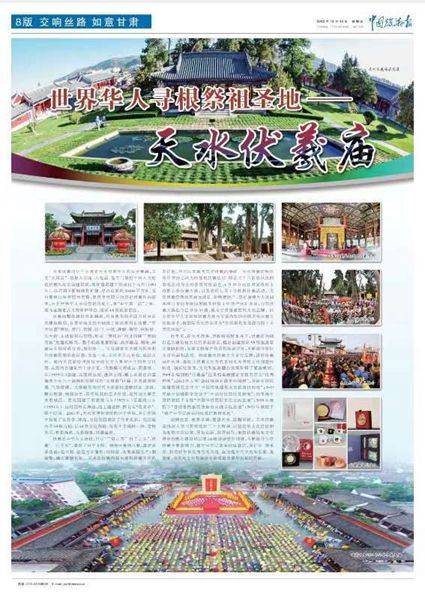
(on december 30, 2022, the 8th edition of the chinese travel journal published a special edition of the world chinese search for roots — the temple of heaven)
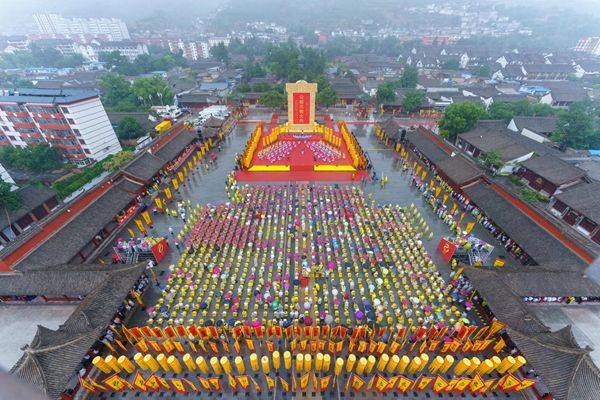
The temple is located on the western kwangwan road, known as the taig palace, in tian shui district, gansu province. It is known as the temple of the people, the temple of the people, and the temple of the people. It is known as the temple of the chinese people and is known as the temple of the first temple of the chinese people, which has been under construction for 19 years (1483) and has been under renovation and expansion since the end of the period. It covers a total area of 36,400 square metres. It is also known as the temple of the first temple of the chinese people, which is currently the most preserved and the oldest of its construction years. It is now the national focal point for the protection of cultural objects and the national aaa-class tourist zone。
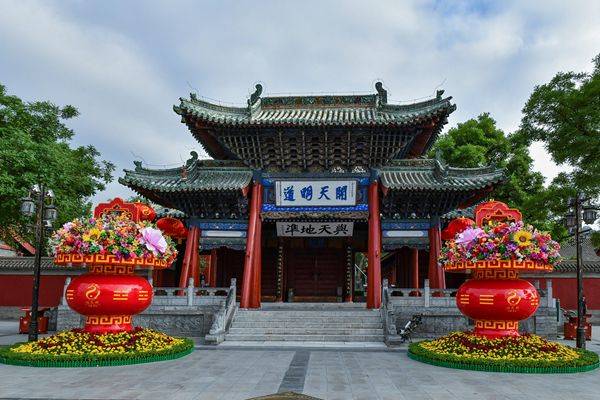
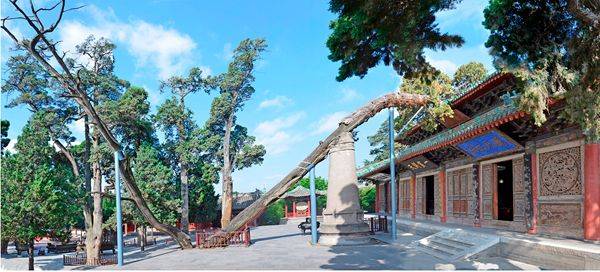
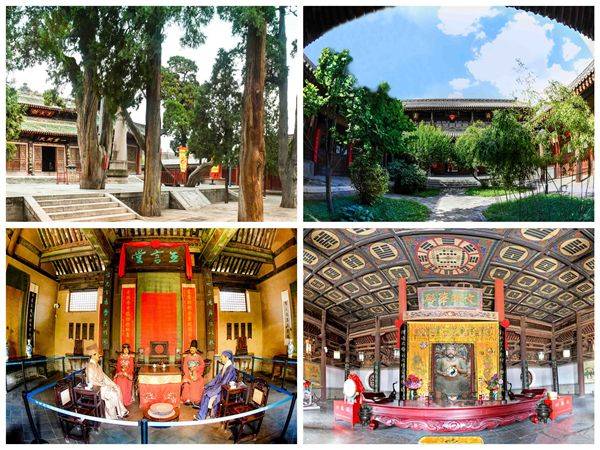
The entire structure of the vulgar temple, which is located northwards and southwards, has a typical chinese ancient court-like structure, with theatres, the “opening of tianming road” workshop, the palace door, the front courtyard, yimen, the courtyard, the tablets, the halls, the bell-drum building, the temples, the diocese and the rear garden in sequence on the mid-axis that cut across the north and south. The entire compound is surrounded, deep and far away, with a symmetrical distribution along the central axis, planning unity, and the image of an ancient saint in the form of a super-map of mud and clay, three metres tall, hand in hand. The ancient buildings of the country are the only ones in the country that have ever been able to draw a map of the ancient world. It was created in the second year (1523), with five large and three deep, and it hangs over the great table of the tai chi temple, written by mr. Tae do-sa meng at the age of 90, with a strong and strong body. The temple of the taipei is the home of the ancient troupe of wood-based windows, of the dragons, of the phoenix, of the engraving, of the fine, of the living, of the high artistic value and of the essence of the carving art of our country. The latter garden was built in ming dynasty in the years 1522 to three years (1524), when the park had a plum pool, where a bridge had been built, and the north of the bridge, a “see-to-the-stand”, was destroyed in the country. In 2005, the tien shui city museum, following historical patterns, was restored to the back garden with a lot of radiance. There are now 64 cobs in the temple, planted in a 64-story position, and a thousand-year-old tree tree, old tree, plaster, bird and bird。
He is the birthplace of a human being to whom the chinese nation is a common admirer. He is the “first of the three kings” and the “opening of the sky” who inspired the chinese civilization and is known as the “human ancestors”. It creates gossip and provides an easy basis for learning; it creates a book deed, creating an initial text; it binds the web and develops fishing and hunting production; and it marries and determines the manner of marriage. Skywater is the birthplace of the voodoo and the birthplace of the voodoo culture, and since ancient times there has been a tradition of sacrifice. Three major festivals are now held each year at the temple, the traditional festival of the spring festival on the 16th of june, hosted by the gansu people's government, and the autumn festival on the 19th of july. The festival was published by the state council as the first state-level list of intangible cultural heritage conservation because of its long history, its wide reach and scale. To date, the festival has been successfully held 33 times, making it an important cultural brand across the province, while china's festival of cultural tourism, which featured the festival of chinese founders, was rated by the international festival association as one of china's top 10 festivals of development potential。
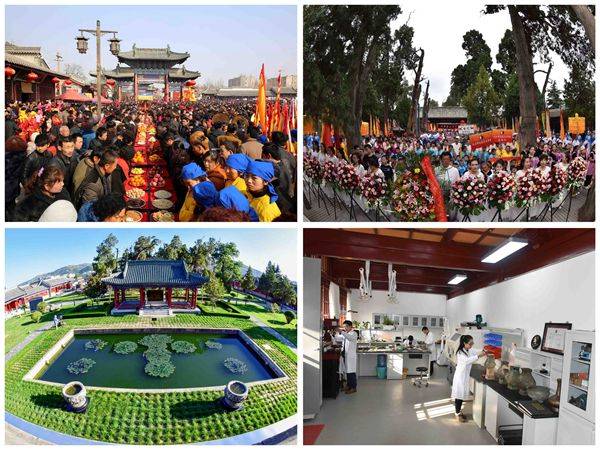
In recent years, the tien shui city council and the municipal authorities have given high priority to the creation of innovative zones for the cultural heritage of the originals, and have proposed a strategic concept for the creation of national 5a-class tourist attractions, strengthening the use and development of cultural heritage and improving the cultural content and quality of the sites. The successful development of cultural tourism integration has been marked by the continuous flaunting of the first brand of the culture, the vagaries of the story, and the creative transformation and innovative development of the excellent traditional culture represented by the vagaries culture. The archive of the records of the “voang temple” produced in 2005 was rated by the national antiquities agency as a “excellent file”; in 2014 it was awarded the “tripoli gansu’s ten-year tourist land”; in 2015 it was included in the “u. S. China’s best book of tourism” and was rated by the china national building research council as “china’s traditional building cultural tourism destination”; in 2017 it was awarded “china’s land for the theory of war”, and in the same year it was awarded the first “international cultural exchange base for chinese emigrants”; in 2019 it was awarded the “model base for the practice of national solidarity and education in gansu province”; and in 2021 it was awarded the “structure of the national community of china”。
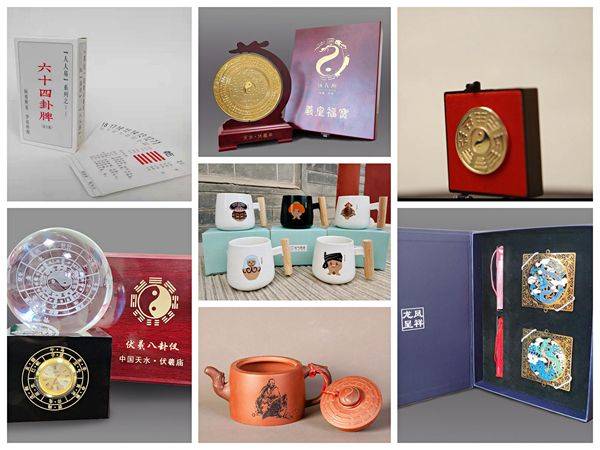
Looking back, the results are brilliant; looking to the future, the way forward. The temple of heaven will further learn to follow the party's 20 spirit, develop innovation with firm cultural self-confidence and a high level of cultural self-consciousness, move forward, speed up the construction of innovative zones of ancestral culture and the creation of a 5a-class tourist attraction in the country, constantly raise the influence of public rituals, protect, inherit and use the excellent traditional culture of china, forge a strong awareness of the chinese national community, do everything possible to raise the visibility and reputation of the skywater and make a new contribution to the high-quality development of the skywater cultural tourism industry