


Data professional recovery
Today, digital information is everywhere, and data has become one of the core assets of individuals and businesses. It may be valuable family images, important learning documents or key records in business activities. However, data loss is also frequent and may result from physical damage to storage equipment, accidental deletion during operation, or a logical error in the software system. At this point, the area of specialization “data recovery” becomes critical. It is not a simple document recovery, but a specialized discipline that combines a variety of technical principles with rigorous operational processes. This paper will provide a systematic presentation of the basic concepts of data recovery, the common causes, the core technical logic and the preventive measures that can be taken by the public, with a view to lifting the veil in this area of expertise from a general perspective。
I. The rationale for data storage and the “lost” truth
To understand recovery, it is necessary to first understand how data are saved. Whether it is a hard drive, a solid storage device or a variety of flash cards, the basis of storage is to convert information into binary codes (0 and 1) and to record it physically or electronically in the storage medium。
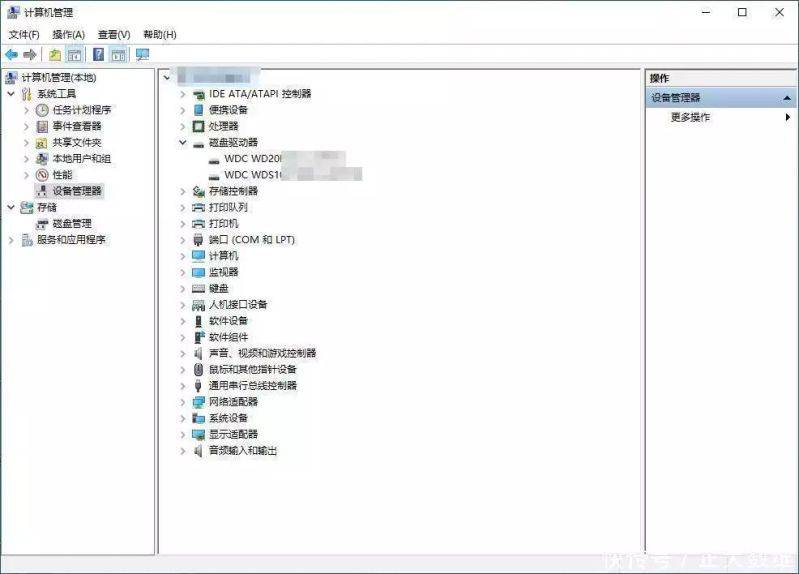
Logical storage structure: in order to manage big data efficiently, the operating system will establish a “documentary system”. It is similar to the library's catalogue and shelf numbering system and does not directly store " book contents " , but records the name, size, creation time and physical location of the most critical content on the storage medium. When we remove a document, in most cases the operating system simply removes the entry of the document in this " directory " and marks the space it occupies as " can be covered " , while the actual content of the document remains silent until it is covered by new data. Such a deletion, referred to as “logical deletion”, is a situation where data recovery is more likely。
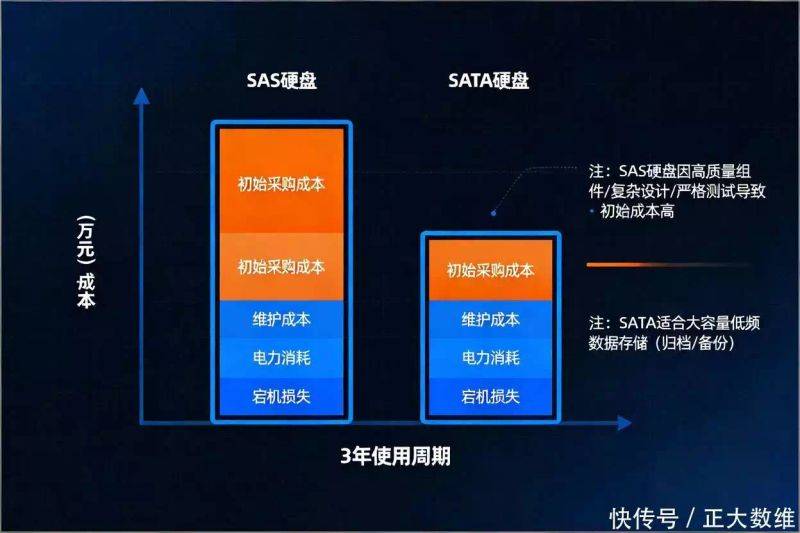
Physical storage status: data are ultimately present in hardware in magnetic direction (traditional mechanical hard drives) or in charge state (solid hard drives, disks). “physical damage” occurs when hardware is damaged for physical reasons such as falling, water entry, circuit failure, which prevents proper access to storage units. In such cases, recovery is more complex and typically requires the repair of hardware or direct access to storage chips in a given environment。
As a result, so-called “lost” data is often simply a “map” leading to the data lost, or the “storage” door for data storage is temporarily unopened and the “goods” themselves may still be intact。
Ii. Common scenes leading to data loss
Understanding the sources of risk is a high-quality step in prevention. Data loss usually results from the following categories:
1. Man-made operational errors: these include wrongful deletion of documents, misformatting of partitions, miscretion of faulty partitions, etc. This is the most common reason for the loss of data in everyday life。
2. Software failures and conflicts: failure of the operating system, application errors, virus or malicious software infections, and damage to the file system's structure may result in irregular data access。
3. Hardware equipment failure: this is a more challenging category in data recovery。
* mechanical hard drive: possible magnetic head damage, electromechanical card delay, plate cut, solid area damage, etc。
* solid-state storage equipment: master control chip failure, storage chip ageing or damage, circuit board problems, etc。
*other: damage to equipment interfaces, damage to electricity supply, etc。
4. Natural or accidental disasters: damage to equipment as a result of water entry, fire, interference with a strong magnetic field or severe vibration。
Core technology logic for data recovery
Professional data recovery is not magic, but operations based on rigorous processes and multiple technical means. Its core logic can be summarized as follows:
1. Diagnosis and assessment: this is the starting point for all recovery efforts. Professionals will first judge the nature (logical or physical) of the data loss, assess the extent of damage to the storage equipment, and then determine the likelihood of recovery and the broad options. The original medium will not be written at this stage to avoid secondary damage。
2. Logical layer restoration: for logical errors caused by error in deletion, formatting, loss of partitions, virus destruction, etc. The main technical tools include:
:: document system structure analysis: an in-depth analysis of damaged file system metadata, an attempt to rebuild the directory structure and retrieve indexing information for files。
* document feature scanning: this method is particularly critical when information on file systems is seriously damaged. It scans and reorganizes characteristic data fragments throughout the storage space based on the specific format that exists at the beginning and at the end of the data for different file types (e. G. Documents, pictures, videos). This method does not depend on the original catalogue, but the recovered document may lose its original name and require subsequent consolidation。
Physical layer restoration: for hardware failure. The working environment and technology are extremely demanding at this stage。
* hardware repair: the necessary maintenance of damaged hardware is performed in professional workspaces with appropriate conditions. For example, the replacement of compatible magnetic head components or circuit boards for mechanical hard drives; and chip-level testing and maintenance of solid-state storage equipment. This step is designed to allow the equipment to operate temporarily and steadily in order to read the original data mirrors。
*data mirror: this is a critical step in physical recovery to protect the original medium. Once the device is readable, a complete copy of the data position of all its sectors (image) is made available in a secure storage space using specialized tools. All subsequent recovery operations will be performed on a mirror copy to ensure that the original medium is no longer touched。
4. Data reorganization and validation: the extraction of raw data from mirrors requires completeness checks and repairs. Some degree of repair may be required for documents that are missing as a result of damage to part of the storage unit. Finally, the availability of the recovered key data is validated。
The recovery process as a whole is guided by the “read-only” principle that, to the extent possible, no write-off of the original malfunction medium is performed to innovate to secure data。
Iv. Facing data loss: the right response and prevention strategies
When data are lost, taking the right measures can significantly improve recovery success, while daily good habits can be prevented。
(i) emergency response measures:
1. Immediate cessation of writing: the deposit of any new documents into the storage facility where the missing data are located shall immediately cease as soon as it becomes aware of the loss of critical data. The continued use of the equipment on the internet, the installation of software or the preservation of documents could cover the original data and lead to loss of professionalism。
2. Disconnect physical connection: if it is suspected of a hardware failure (e. G., the hard drive is acoustic, unidentifiable), the power should be cut immediately to avoid repeated electrical attempts to cause further physical damage to the disk or magnetic head。
3. Seeking professional help: in the case of physical damage or significant logical loss, it is recommended to contact professional data to restore the service. Self-use of software with limited network functionality for scanning operations sometimes makes recovery more difficult。
4. Provide complete information: provide professionals with a clear picture of the causes and consequences of data loss, the equipment model and the type and scope of data to be restored, and help them to develop programmes quickly。
(ii) long-term preventive strategies:
Prevention is far better than recovery. Establishing reliable data management practices is fundamental。
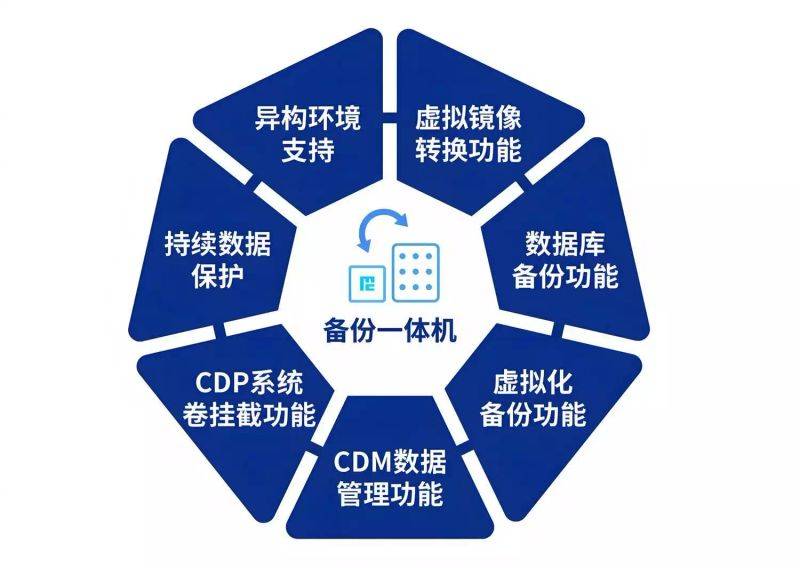
Implementation of regular backup: this is the most important cornerstone of data security. Compliance with the “3-2-1” backup principle is a good method: at least three copies of data are retained and two different storage media (such as external hard drives and network storage services) are used, one of which is stored off site. Backup should be automated and carried out on a regular basis。
Note the environment in which storage equipment is used: to avoid vibration, impact, high temperature, high humidity and strong magnetic field environments. Safe ejection mobile devices to avoid forced power cuts in data transmission。
3. Maintaining system and software health: regular updates of operating systems and applications to address security gaps, use of reliable protective software, and no access to suspicious websites or downloading of documents from unknown sources。
4. Dispersed storage of critical data: do not centralize all critical data in a single device or location. For documents of particular importance, the preservation of copies in multiple physical locations could be considered。
5. Establishing data security awareness: carefully perform deletion, formatting, etc., and perform second confirmations of critical data prior to their operation。
Concluding remarks
The recovery of the data profession is an area that combines computer science, electronic engineering and precision, like “first aid medicine” in the digital world, to save valuable information assets from “injury and illness”. Understanding its rationale not only allows us to remain calm and to take the right steps in the face of an unfortunate data crisis, but also makes us more aware that, in the digital age, proactive data management and preventive protection habits are the most responsible attitudes towards our digital assets. Data are silent, but they are valuable; protecting data is the possibility of preserving memory, outcomes and the future。



