Keywords: ground grinding cores, ground grinding cores, carbon nanopolymers
As a multi-year technician in the field of the restoration of deep-farm industrial equipment, i recently drove 1,800 kilometres with my colleagues to sichuan cement company, where i completed the wear and tear repair of three millimeters. Not only has this field exercise accumulated valuable experience, but it has also given me a deeper understanding of the causes, hazards and repair techniques of the wear and tear of the hard cores。
I. In situ direct blow: the core cause of the grinding core
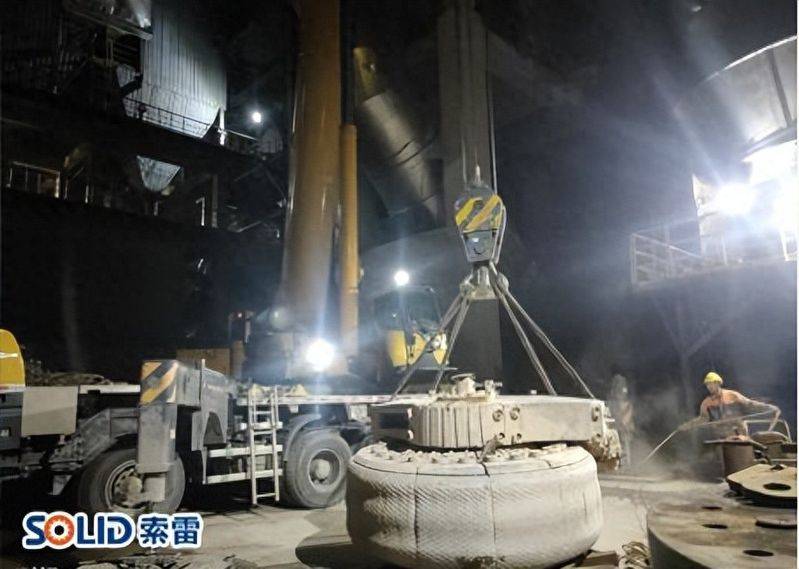
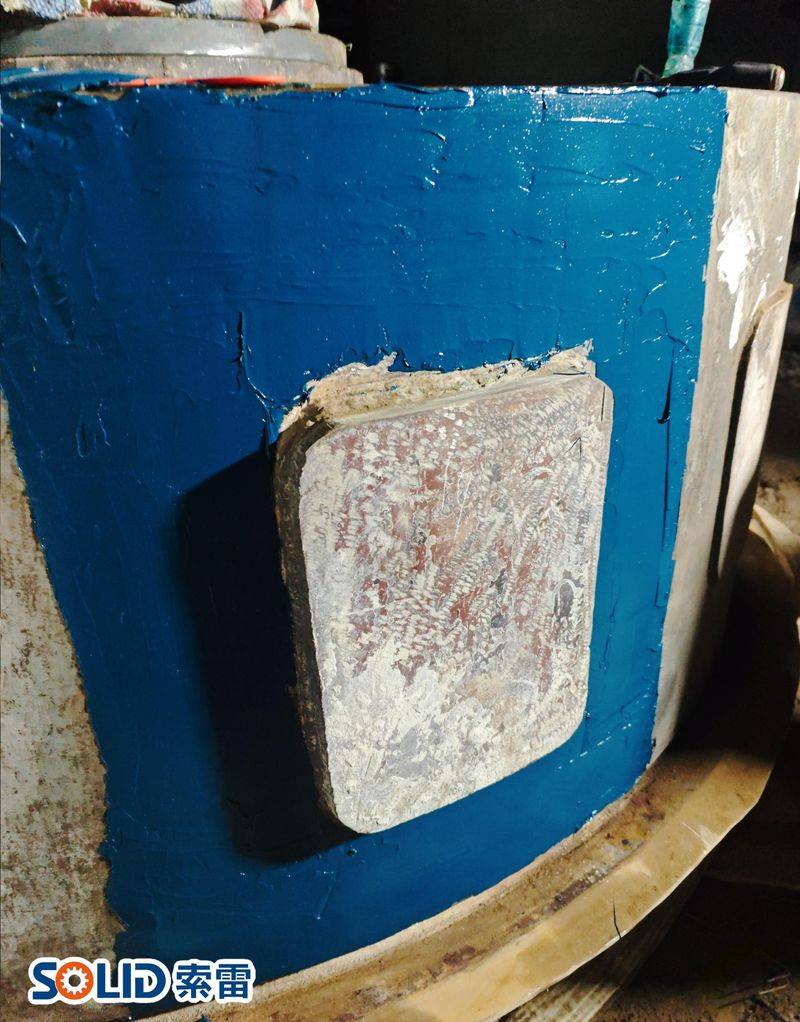
Upon arrival at the site, it was found, after careful examination, that all three lynch cores had various degrees of wear and tear, mainly in the form of surface impact pits, local rust, a wear depth of approximately 0. 3 mm, a wear width of 615 mm and a length of 816 mm, which, although not causing serious equipment failure, had affected operational stability. The core causes of the grinding cores, combined with the work of the cement industry and field checks, are three main points:
1. Relative motor wear and tear: a slight break in the long-term vibration effect of the pelt-condensing bolts has resulted in a gap between the skin and the core, relative friction between the two during the operation of the equipment, and the impact of the material flushing, with the gradual formation of a wear and tear pit and a decrease in the roughness of the surface, which is the main reason for the present restoration。
Metal fatigue and work erosion: grinding as core equipment for cement production, long-term exposure to cyclical squeezes, shock loads, and the gradual fatigue of core metal materials as a result of the mutagenic stress, while on-site dust, microwater erosion of surfaces accelerate wear and tear。
Ii. Be wary of the unrehabilitated chain hazard of the piping core
While many enterprises have fault lines for “blowing the damage before it is too severe”, combined with the high-volume production characteristics of the cement industry, the failure to process the core wear and tear can trigger a series of chain reactions that eventually lead to disruptions and high losses:
First, the precision of the operation of the equipment is reduced. The wear and tear cause abnormality between the core and the skin, and the uneven stress of the skin during grinding, which not only affects material grinding efficiency, but also results in uneven particle size of products and lower cement quality. Second, the equipment was aggravated by secondary damage. Long-term operation can lead to major malfunctions such as corrosive cracks, overheating damage to axes, or even loss of pelvis, resulting in a geometric increase in maintenance costs。
More crucial is the decline in capacity and the rise in energy consumption. The wear-out cores do not provide stable grinding pressure, material treatment is reduced in unit time, while equipment has increased operational resistance and power consumption has increased significantly. In the case of this cement company, for example, if it continues to operate with disease, it is expected that it will lose more than 5 per cent of its capacity per month and increase its energy consumption by 8 to 10 per cent, well above the cost inputs for timely rehabilitation。
Iii. On-the-job validation: restoration advantages of the sore carbon nanopolymers material technology
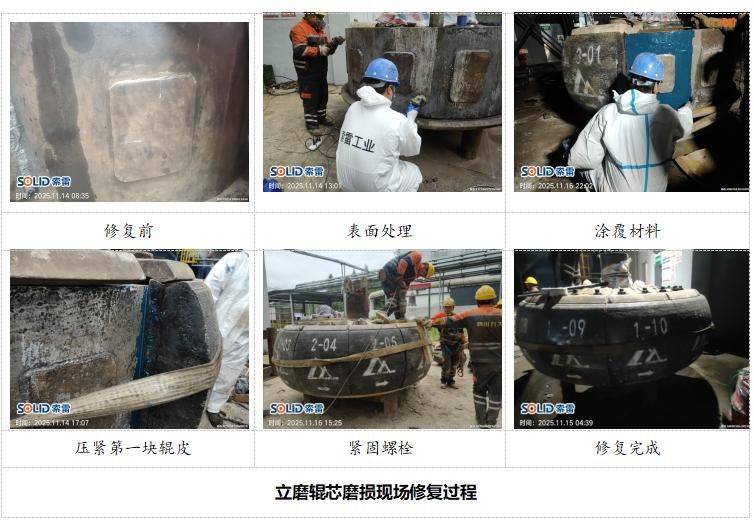
This restoration of the mill core wears us with the sore carbon nanopolymers material sd7100 and the benchmark scratch repair process, which took more than two days to complete three on-site repairs, with a significant advantage over the traditional process and is reflected in three core dimensions:
1. High restoration accuracy and 100 per cent alignment
Traditional welding and electro-painting processes can easily lead to core deformation, insufficient surface precision and more limited wear and tear. The sore sd7100 material has excellent plastic capability, and through the “empty positioning-precision coating-encumbering” process, we conduct an empty test of the core and the skin, mark the focal area for wear and tear, then adjust the material proportionately, cover it evenly with a yellow-shaving plate, ensure that the material is filled into each of the wear and tear gaps, fixes it up to 100 per cent by matching the face with the original size of the core, and eventually adjusts the standard range of the corset to 7-8 mm。
2. Temperature operations, risk of unequipped damage
Steam cores are cast steel, and traditional welding processes require high-temperature work, which can trigger internal stress concentration of the core, crack expansion and even end-of-life equipment. Solar carbon nanopolymers materials technology is similar to the “cold weld bond” principle and does not require high temperatures and open fires, depending on the extreme viscosity and metal-grade elasticity of the material, and does not cause any damage to the core matrix during the repair process, while effectively isolating dust, water erosion and delaying subsequent wear。
3. Efficient and cost-effective and significantly reduced downtime
The cement industry has lost a significant amount of power, and traditional restoration processes require equipment to be dismantled and trans-shipped off-site for processing, usually for periods of 7 to 10 days, at high combined costs. This whole field operation, from surface pre-treatment (cooking oil, grinding, waterless ethanol cleaning) to material coating, solidification and acceptance, took only 8 to 10 hours to repair one unit of equipment and a total of three units of 35 materials, at a combined cost of 30 to 40 per cent of the traditional process. And material solidification is much more resistant to pressure and grinding than traditional repair layers, with an estimated useful life of 2-3 times that of traditional processes。
4. Easy to operate with complex field conditions
On-site construction is highly affected by the movement of space and equipment, and the sole repair process does not require large precision equipment, but only conventional tools such as an angle grinder, hand-carving and stifling. Even in the face of delays in the movement of cranes on the ground and the failure of the construction team to grind them in the early stages, flexibility in coping with adjustments to the operating process would ensure a rapid resumption of production。
Rehabilitation: technology control and material selection are key
This restoration made me acutely aware that the restoration of the grinding core is not simply “filling the wear”, but rather addressing the issue of co-accuracy and resistance at the root. The technical guidance process must be fully staffed with details, such as surface grinding, to ensure that the metallic colour is exposed and suitable roughness is formed, and materials are adapted in a strictly proportionally balanced manner, which directly determines the restoration effect。
The application of sore carbon nanopolymers not only breaks the limits of traditional restoration processes, but is more consistent with the core need for “efficient, low-cost, non-destructive repair” of industrial equipment. This technology is undoubtedly better adapted to the problem of grinding cores in industries such as cement, mines and so forth, allowing for the rapid resumption of equipment operations and the long-term guarantee of equipment stability and providing strong support for the downside efficiency of enterprises。
If your business is also faced with the problems of grinding cores, corrosive cortex abnormalities, it might be useful to try the sore carbon nanopolymers material technology to avoid minor wear and tearing into major malfunctions and to maintain the production efficiency and cost floors with specialized technology。