


In the area of construction work, steel support is a key stress component of the base pit support system. Where the name "609 steel support" directly reveals its core physical feature: a circular steel tube with an outer diameter of 609 mm. The weight parameter is not an isolated number, but a compound result determined by the physical properties of materials, geometry and engineering logic。
In order to understand its weight, it is first necessary to analyse the multiple meanings of the concept of “weight parameters” in the engineering context. It does not refer only to the mass of a finished product supported by a standard steel length, but is also a fundamental variable associated with carrying capacity calculations, transport-loading programmes and cost control. The weight depends directly on the density of the steel, the area of the tube and the specific length, which in turn is determined by the outer diameter and wall thickness. Therefore, the substance of the discussion of the weight of 609 steel support is to explore the function of wall thickness to length。
So, why is the wall thickness the primary variable for the weight? Because the outer diameter of 609 mm is a fixed value, the wall thickness selects the design according to the stress and bend resistance required by the project. Common wall thickness specifications range from 10 mm, 12 mm, 14 mm, 16 mm, etc. In the case of 12 mm wall thickness, the formula is derived from the volume of the cylindrical shell, which is approximately 0. 0225 cubic metres per metre length. Based on the density of steel of approximately 785 kg/m3, the theoretical weight per metre is calculated to be approximately 177 kg. If the wall thickness increases to 16 mm, the weight per metre rises to about 234 kg. This non-linear growth relationship clearly demonstrates the decisive impact of wall thickness on weight。
How do weight parameters directly affect the construction process in engineering practice? The length of a single steel support is usually prefabricated based on the width of the base pit and may be as long as tens of metres. The total mass will determine directly the type of the suspension equipment, the sequences supporting the installation and the process of collating on site. For example, a steel support of 16 mm wall thickness and 20 m length, with a total weight of close to 4. 7 tons, requires a precise calculation of the lifting capacity of the crane and the diversity of the post setting. At the same time, the weight is associated with the axle carrying of the supporting system, and the heavier support tends to mean a larger cross-section inertial rectangular and a higher decorative critical load。
Do we need to consider other components in addition to the main steel tube? The answer is yes. A complete steel support system typically consists of a living head, a fixed end, an intermediate section and various types of connections to frank. The weight of these additional components, although relatively small relative to the main steel pipe, is indispensable in making accurate material statistics and suspension calculations. “weight parameters” as described in the project sometimes refer to the weight of a clean steel tube and sometimes to a package containing standard fittings, which needs to be clearly defined in specific technical documents。
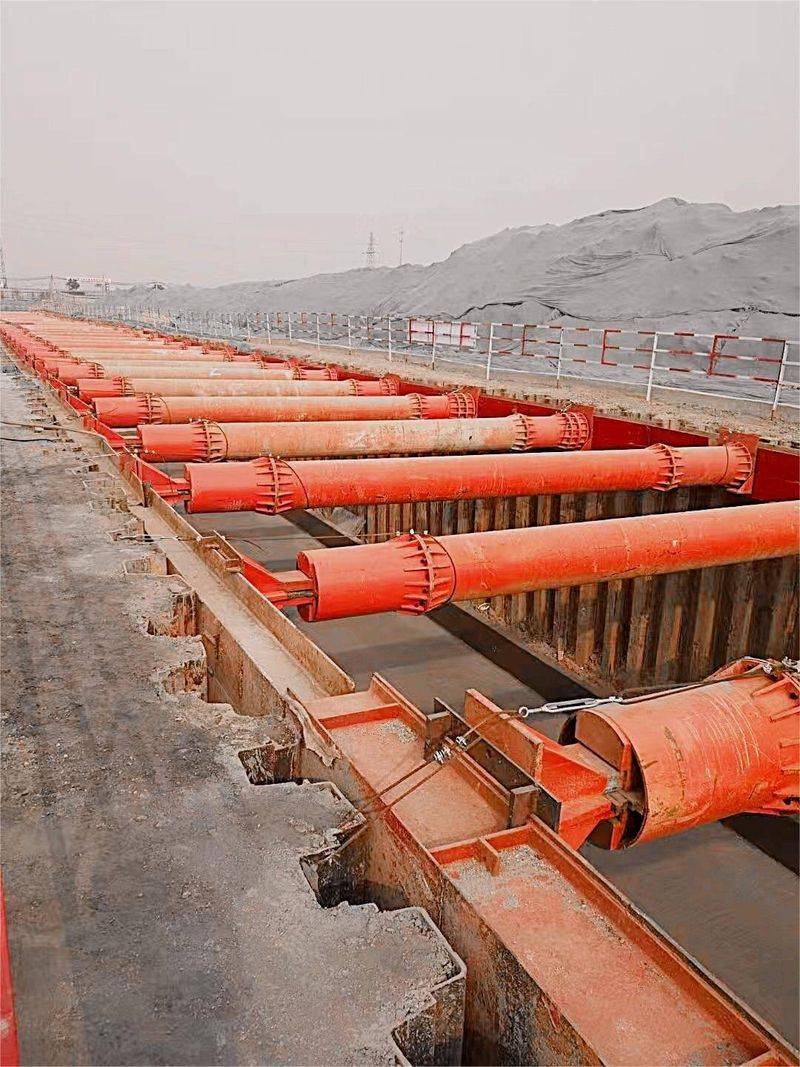
609 steel support weight parameters
What is the trade-off between weight and performance in terms of material mechanics? While an increase in wall thickness increases the stability and security stock that supports it, it also brings with it an increase in material costs, an increase in the difficulty of loading and an additional load on the pillars (or underground continuous walls). Therefore, the wall thickness selected and the corresponding weights are economically sound results derived from an optimized structure, while meeting the safety deformation control requirements of the base pit, rather than simply pursuing an innovative weight。
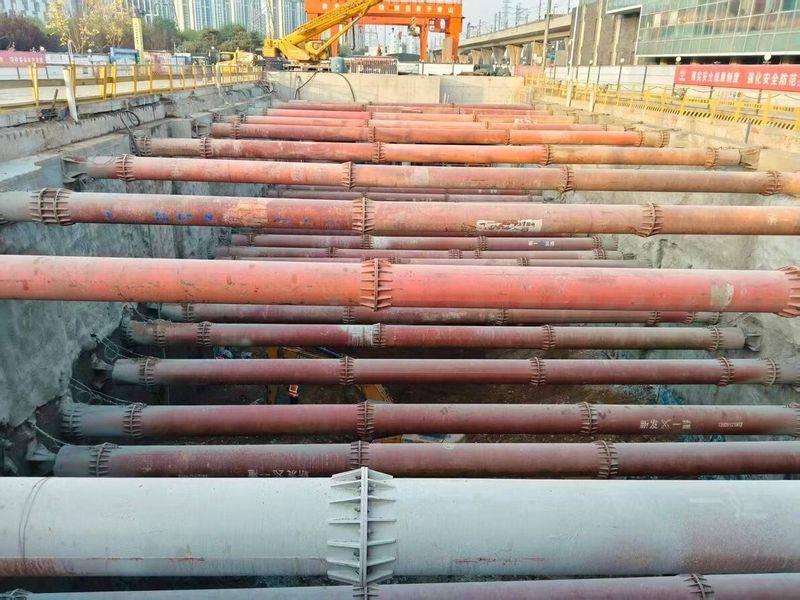
609 steel support weight parameters
In summary, the weight parameters of 609 steel support are the quantitative expression of its core engineering properties. It is rooted in underlying physical and geometric principles, extending to multiple design, construction and economic considerations. The key to understanding this parameter is to move away from the idea of treating it as a single fixed value and instead to view it as a dynamic engineering variable driven by design needs and bound by material mechanics. The depth of the weight parameters is one of the basic technical components of a reliable support design and efficient construction organization。
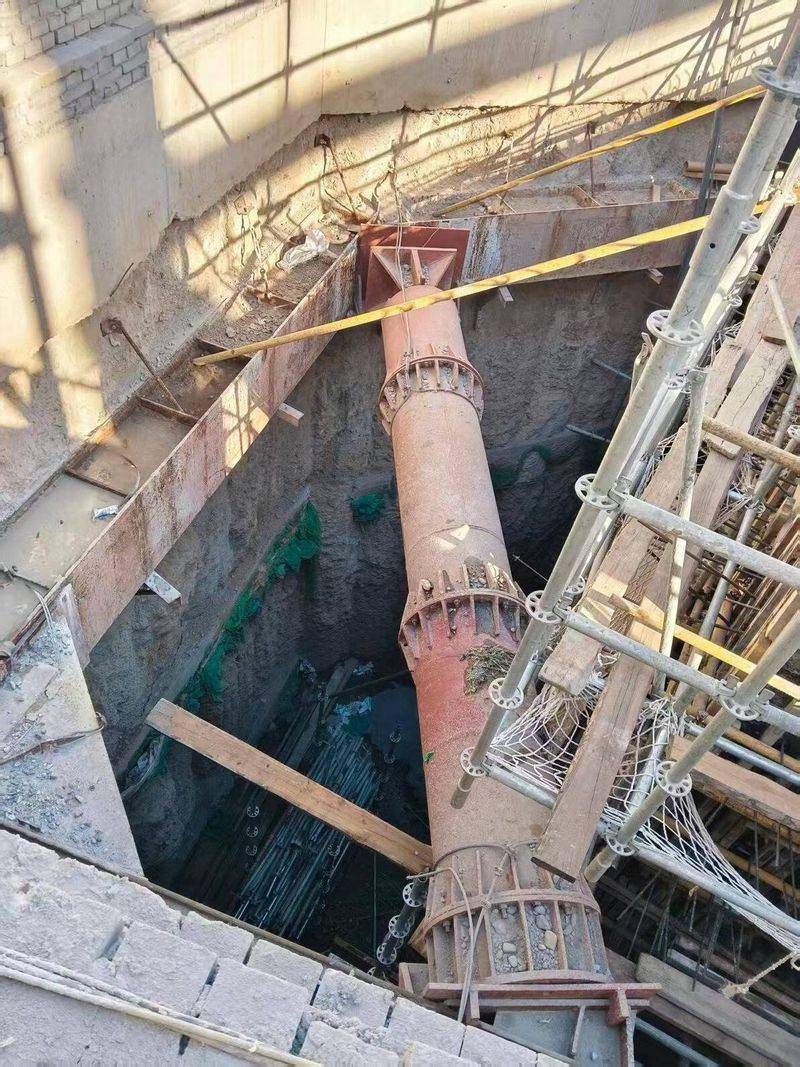
609 steel support weight parameters
(includes ai intelligence generation)



