
The original retrospective is authorized to open a new service
"doctor, i can't lift my shoulder up, can i
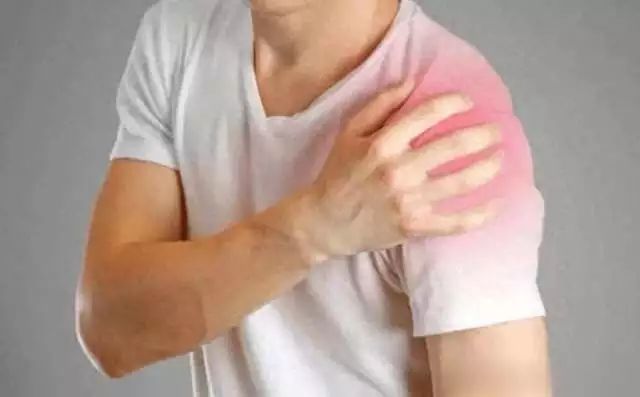
At the osteoporosis clinic, that's what i'm asked every day. When shoulder pains occurred, many people diagnosed themselves as “shoulder inflammation” and started climbing the wall and throwing their arms, resulting in increased pain. As a doctor, i have to tell you the fact that more than 60% of the so-called shoulder ecstasy has been misdiagnosed
A diagnosis that's damaged countless shoulders: the 100-year misunderstanding of shoulder inflammation
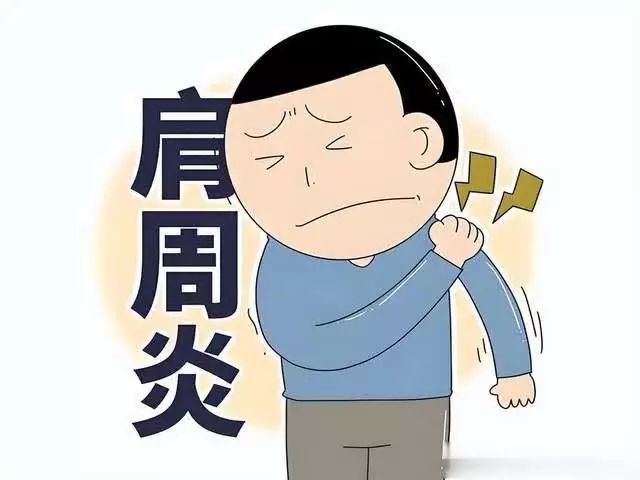
First, let's clean up the originals. A more precise and horrific name in medicine is the popular “shoulder arthritis” — frozen shoulders, also known as visceral arthritis。
The essence of it is that your shoulder joint is inflammated, thickened, constricted, eventually “frozen” like glue. This process is closely related to age, with a high prevalence of about 50 years of age, and is therefore known as the “fifty shoulder”. But note that it has two most important features:
1. Active and passive activity is limited: you cannot lift it yourself, others can do it for you, and you cannot lift it。
There is a clear self-restrictive pathology cycle: like a cold, it goes through a “freezing period during a period of pain”, usually lasting from 1. 5 to 3 years, and ultimately largely on its own。
In reality, however, the shoulder problem for the majority of people does not fit either。
"the real killer" on the list of shoulder pains: who is the number one enemy that damages your shoulder
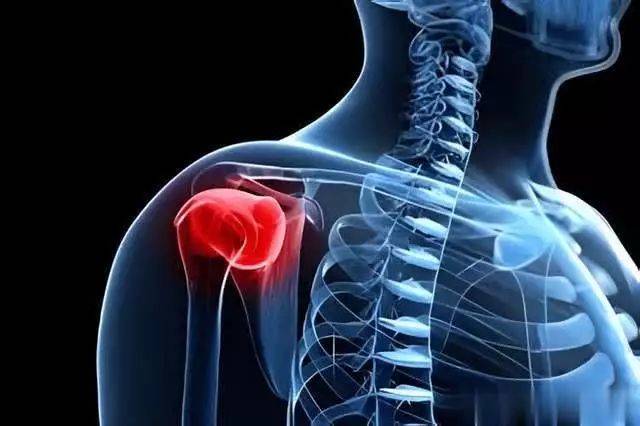
Your shoulder joint is the most flexible and unstable joint of the human body, like a golf ball on a small ball. Its stability and movement are sustained by a sophisticated “team” of shoulder-sleeve muscles. The vast majority of shoulder pains are rooted here。
Number one: shoulder-sleeve damage (about 55 per cent)
It's the most common "spoiler." your shoulder sleeves (four muscles wrapped around shoulder joints like sleeves) were torn or inflammated by degradation, impact or trauma。
1. Key differences: active activity is restricted (can't lift itself), but passive activity is generally normal (others lift you to a certain height). Night pain and a sense of powerlessness are evident。
Critical warning: do not blindly engage in stretching, such as “crawling” walls! This can cause secondary damage to the torn muscles, as the torn cloth becomes larger, and may cause irreversible damage。
Number two: impact syndrome below shoulder peak (about 20%)
The space between the top of your shoulder (a bone above your shoulder) and the bone of the gill is narrowed, and the muscles and scythes are repeatedly “hit” and squeezed into your hands, causing inflammation and pain。
Typical expression: sharp pain arcs (usually the most painful at 60°-120° lifting) on the shoulder when doing "super-top moves" (e. G. Combing, baskets, dry clothes)。
Number three: a real freezer
This is the original “50 shoulder” we started with. Often it does not have a clear incentive, but may be associated with diabetes, thyroid disease, cervical vertebrates or long-term shoulder brakes。
Other “suspects”:
1. Cervical vertebrates: neurological roots are oppressed and pain to the shoulder。
2. Cholesterol, coronary heart disease: internal diseases cause related shoulder pain。
3. Calcium myelitis: the sedimentation of calcium salt in the myelium causes severe pain。
After 80: the classics are not old, 176 old legends bring memories to life
Shoulderitis isn't "geriatric disease"? Young people are being stolen from their shoulders by cell phones
Many people think that shoulder cycling is “middle-aged exclusive”, but the data hit the face: the prevalence rate among people under 30 years of age increases by 12 per cent annually. Why
1. Cellular heads: on average, a mobile phone is seen for more than four hours a day, with a frontal tip on the neck nerve。
Long sitting: the office community sits eight hours a day, with shoulder muscles “disused”。
3. Misplaced positions: holding computers, one-shouldered backpacks, poor sleeping positions and persistent pressure on shoulder joints。
Neglect of small pains: anointed with pain, resulting in a cumulative “freezing” of inflammation。
Diagnosis: these diseases can be confused
The following diseases are frequently misdiagnosed and are subject to a professional examination:
1. Shoulder-sleeve damage: most are found in sports lovers, pain is concentrated outside the shoulder joint, and pain increases in outreach. The mri examination found a ripple of mybs。
2. Cervical vertebrates: in the form of pain in the shoulder neck accompanied by numbing of the limb, pain in the nerve root can be emitted to the finger。
3. Calcium myelitis: x-rays can see calcified stoves in the shoulder, with sudden and severe pain。
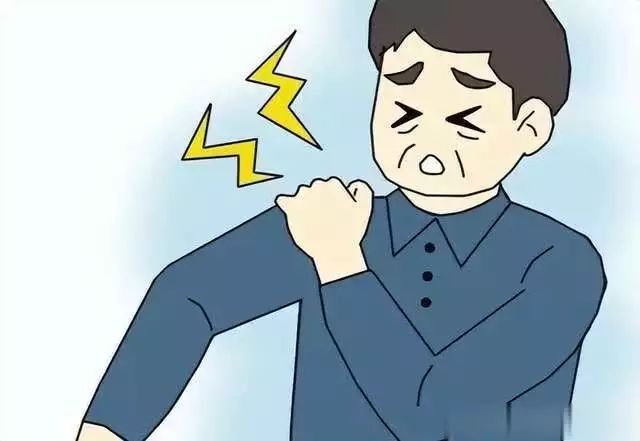
Self-measured method: try to do a “brushing test” - touch the side ear from the top of the head with a side hand, and be alert to shoulder ecstasy if it is impossible to complete or if pain is evident。
Scientific treatment: total plan from mitigation to rehabilitation
The treatment of shoulder cycling is based on the principle of “gradation” and the selection of the appropriate programme is based on the condition:
1. Acute period (extreme pain)
Medicines for pain: inflammation medications (e. G. Broven, sodium bichlorfonate) can alleviate pain and inflammation. Care is taken to avoid long-term use and to prevent gastrointestinal side effects。
The cold dressing pain: 15-20 minutes in cold bags and 3 times a day can alleviate swelling and pain。
Brake protection: excessive activities are restricted by the use of shoulder tools, provided that passive joint activities are conducted daily to prevent rigidity。
Chronic period (hard)
Physical therapy:
Ultrasound treatment: 20 minutes each, 3 times a week through high-frequency vibrating loose bonding。
Tens: interrupting pain and suffering, 30 minutes each, 1 day。
Communicable joints: joint tuning and rotation under the guidance of the rehabilitationer, gradually resuming activity。
Physical rehabilitation:
Clock swinging motion: 90 degrees bending, naturally falling side arms, swinging back and forth like clock swings, five minutes each, three times a day。
Wall climbing training: faced with the wall, the fingers slowly climb up the wall, record the highest points on a daily basis and gradually raise。
The towel stretches: hands on both ends of the towel, side hand down, side hand up slowly, shoulder stretching, 15 seconds, 10 repeats。
3. Recalcitrant shoulder cycling
Artificial injection: local injection of sugar cortex hormones (e. G., cothamed methasone) and transparent sodium sodium acids can quickly relieve pain and inflammation。
Artificial lenses: for patients whose conservative treatment is ineffective and whose pathology is more than six months old, they can be removed by micro-initiative surgery, with rehabilitation training。

The newest website is now available on 65535 over 65535
Prevention is better than cure: five laws that protect the shoulder
1. Position management: maintaining an elbow joint of 90 degrees per computer for five minutes per hour around the shoulder。
2. Scientific campaigns: recommended low impact sports such as swimming and yoga, three times a week for 30 minutes each. Full pre-sport warms and post-sport ice。
3. Burden control: keep the articles close to the body while handling heavy loads, and recommend that they be carried in parts by weight exceeding 5 kg。
4. Optimization of the environment: during the winter off-site wearing a shoulder-protector, keeping room temperature above 26°c in the air-conditioning room and avoiding direct blowing from the shoulder。
Disease surveillance: diabetes patients regularly monitor blood sugar, and thyroid abnormality adjusts medications in a timely manner。
In particular, it reminds that shoulder cycling is self-restricted and most patients can mitigate themselves within 1-2 years, but if not actively treated, it may result in permanent joint functional impairment. Therefore, should shoulder pain or movement be restricted, timely medical treatment should be provided to avoid delays。
Breaking the fault zone: shoulder ecstasy is not "fire", it's "joint imbalance"
Wrong zone: “hymantic inflammation will self-rehabilitate” — wrong! 60% of patients have delayed recovery rates below 50%。
The error zone: "the heat is good" -- wrong。
The truth: 85 per cent of all shoulder disease is fully recovered through early intervention
Shoulderitis is not an “old cold leg”, it is not a “ordnance”, let alone a “inheritance”。
It is a “silent joint war”, and every time you stretch, every time you adjust your seat, every time you refuse to “bear”, you re-establish your freedom for the shoulder joint。