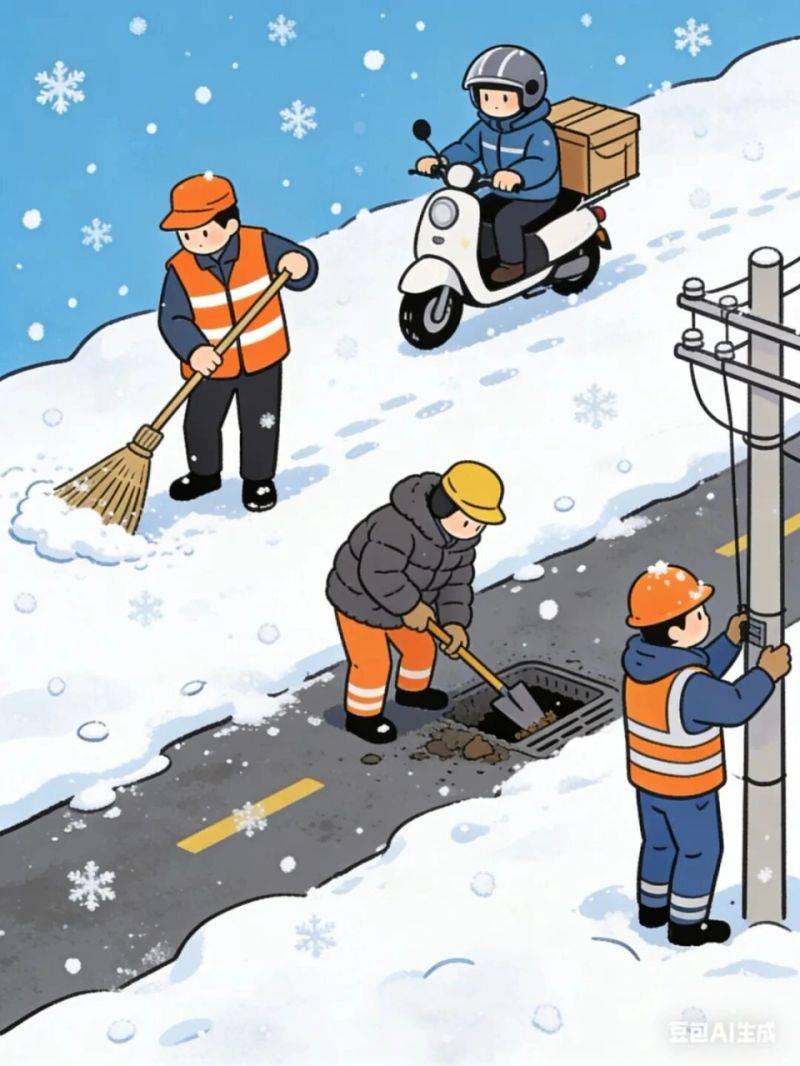
Decoding the hypothermia health risks, reading the causal mechanisms behind it, the country is experiencing a lot of weather cooling, and operators in the areas of outdoor construction, sanitation, electrical inspection and cold-chain warehousing are still on the line. Low temperatures appear to be merely “cold”, while many health hazards are hidden, such as freezing injuries and hypothermia. What are the health risks associated with cryogenic operations? How do we protect ourselves from science? Low temperature, i. E., various types of production in cold environments. The classification and cataloguing of occupational diseases issued by the national board of health and health, the ministry of human resources and social security, among others, explicitly lists “low temperatures” as one of the factors contributing to the risk of occupational diseases。
This picture appears to be using ai generation technology
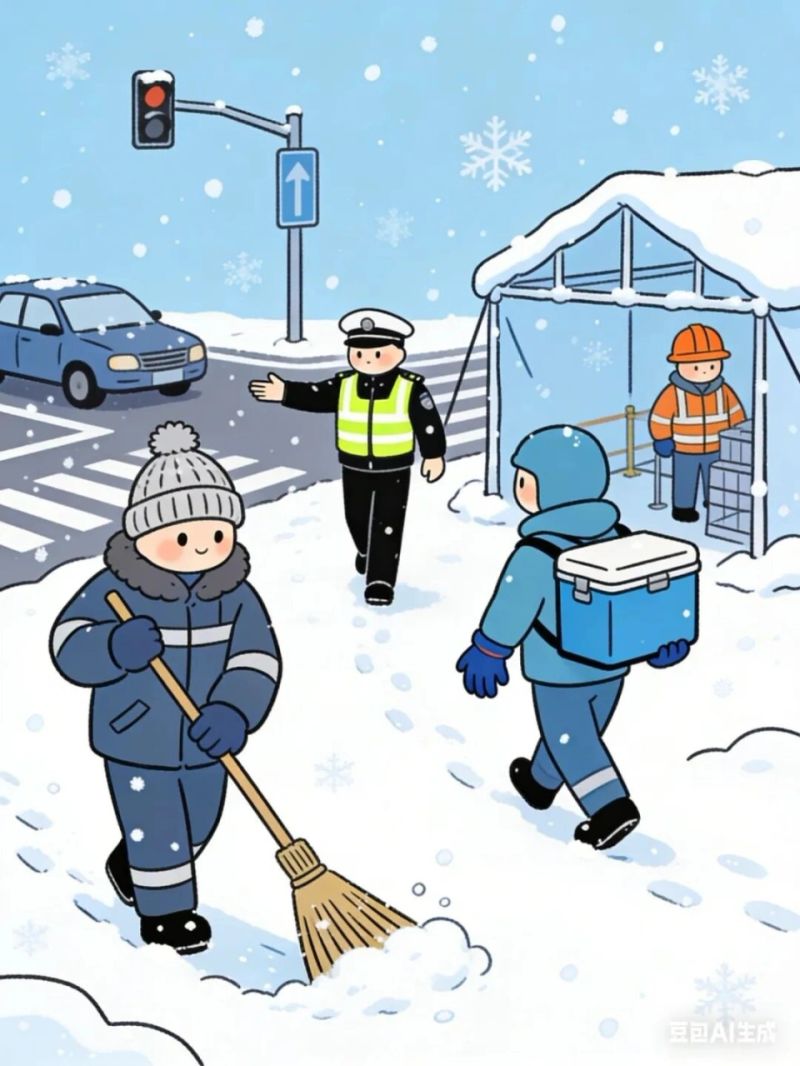
The health hazards to operators in low-temperature environments are nuanced by direct disturbance of human tissues and physiological functions at low temperatures, leading to secondary disorders, with freezing injuries and low-temperature disorders most typical of the hazards. As the most common health risk in low-temperature operations, the essence of which is localized freezing of cold injuries occurs at the core of tissue freezing temperatures (also known as biological ice points) down to 3-6°c to -2. 5°c after exposure of human local tissues to severe cold environments, leading to the freezing and damage of tissue cells. Dr. Jiang peng, director of the medical care centre of the china meteorological administration hospital, explained that hypothermia could lead to local vascular constriction in the body, a slowing of blood flow and a rapid decline in skin temperature; if exposed in a low-temperature environment, the veins would be convulsed or even closed, and tissue cells would be damaged by ischaemic oxygen and low-temperature irritation, which could lead to cell necrosis in serious cases. Frozen injuries are classified into four levels according to the degree of injury, with symptoms evolving from red and numbness in the skin surface to deep muscles and bones. In addition, prolonged exposure to low-temperature media such as cold water and metals can accelerate local heat dispersion, significantly increase the risk of freezing injuries, partially exposed to refrigerants, liquid gas operators, and possibly combined chemical poisoning and increased injuries. The effects of hypothermia are more hidden and more severe than the local damage caused by freezing. Equinoxin states that hypothermia occurs at the core of human heat production below dissipation, resulting in a continuous decline in core temperature, which in turn causes multisystem functional disorders. The normal core temperature of the human body is maintained at 36. 5°c to 37. 5°c, and when it is in a low-temperature environment, it accelerates rapidly in the skin and decreases in the core if it is not able to compensate for the dissipation loss. When core temperature drops below 35 °c, there is a disruption in the function of the temperature-recommended centre, further decrease in heat production, and a continuous increase in heat dispersion, leading to symptoms of cold warfare, confusion, etc.; if the temperature continues to decline, it can also lead to a sudden drop in blood pressure, arrhythmia or even endangering life. In addition to these two risks, hypothermia induces re-emergence of cardiovascular and nervous systems. Cold irritation causes overall vascular constriction, resulting in a sharp rise in blood pressure and an increase in heart load, which is particularly risky for operators with underlying cardiovascular diseases; at the same time, low temperatures inhibit neurotransmission speed, resulting in rigidity in the hands and feet of the operator, which can affect both operational efficiency and trigger operational errors and increase the probability of safety accidents. In terms of the characteristics of the population, older workers, persons with weak physical condition and those with long-term exposure to low-temperature media are high-risk populations with low-temperature operational health risks, which are closely related to their reduced metabolic and cold resistance. It is noteworthy that the three major meteorological factors of temperature, wind speed and humidity significantly increase health risks in low-temperature operations. It is explained that human dispersion is achieved mainly through transport, convection and radiation: the lower the temperature, the greater the temperature difference between the human body and the environment, the faster the heat is dispersed; the higher the wind speed, the greater the effect of the wind, the faster the air flow, the faster the heat of the skin surface, even if the actual temperature is the same, the colder the operator feels; and humidity accelerates the evaporation of the skin water, reduces the heating of clothing and further accelerates the spread of the heat. Our meteorological service divides the cryogenic warning signals into blue, yellow and orange, and the lower the minimum temperature, the higher the likelihood that the operator will be exposed to a health hazard, which also indicates the direct impact of meteorological factors on the health risks of low-temperature operations. In case of low temperatures, how can an outdoor operator be scientifically protected to effectively reduce the damage caused by low temperatures in a safe and sustainable climate? For most low-temperature operators, operating hours are often determined by the task of the operation, but using the operational gap for rest and recuperation protection is equally effective in reducing cold and cold injuries. Open-air work sites should be pre-positioned with temporary facilities such as wind sheds, heating sheds and short breaks in the sheds, allowing for rapid heating and cooling。
This picture appears to be using ai generation technology
During night operations, it is essential to ensure that the area of operations is adequately illuminated and that the location and emergency contact details of the surrounding rescue facilities are known well in advance. In the event of an incomprehensible and cold war, the first step should be to evacuate to a safe and warm place to seek help. Appropriate protective equipment is like a “mobile heating barrier” in which pairs and suits can truly withstand severe cold. The experts suggested that preference should be given to cold-proof clothing with low heat coefficients, low humid and air-absorbed clothing, which would both lock the body in heat and avoid a decrease in heating as a result of sweat and humidity and ensure that the average skin temperature in the clothing cover was not less than 33°c. The head, ears, limbs, etc. Are the areas where the heat is weak, as well as areas with high levels of freezing injuries, so as to minimize the skin nudity of these areas and ensure that their temperature is not less than 20°c. The size of a cold-proof suit can also be described: too tight to suppress the blood vessels and affect the blood circulation at the end, increasing the risk of cold damage; and too lax to allow cold air to enter and reduce heating effects. When necessary, the operator may carry portable heating items to keep additional heat for critical areas. In addition to external protection, the internal management of the body and good operational practices can also contribute to combating the cold. Equinoxin stated that dietary intake of foods rich in protein, fat and vitamin b1 should be increased to provide sufficient energy for air heat production and increase its own resilience to cold. Particular vigilance is needed in the common area of “drinking cold”, where the plume emphasizes that alcohol expands the body's blood vessels, accelerates the dissipation of heat, not only from the cold, but also from heating effects, which may reduce human judgment and increase the risk of operational accidents; in addition, excessive fatigue should be avoided, and the wet cold environment should be less free to lie down and rest, even for short periods of time。
This picture appears to be using ai generation technology
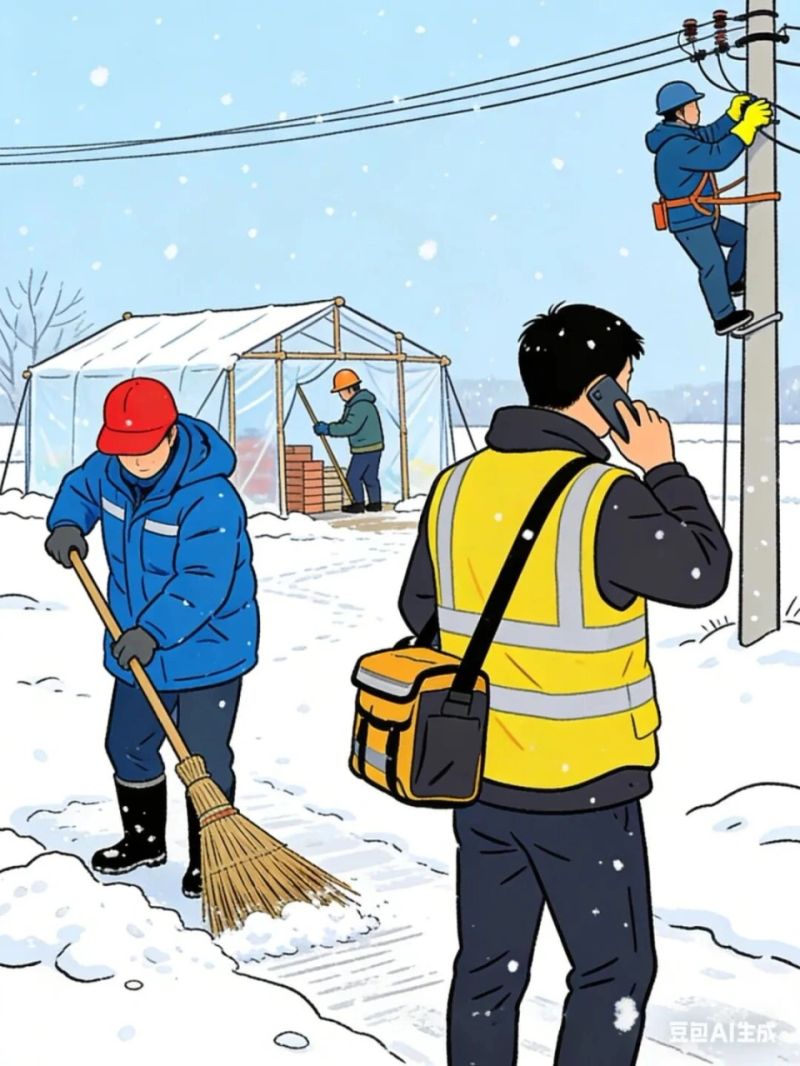
Scientific disposal is essential if there is an accident of freezing and no panic. First, it is necessary to move the wounded quickly to a warm room at temperatures above 20°c, to remove the injured person's wet clothing, to moderately lift the damaged limbs to reduce swelling, and to take warmer and warmer measures to prevent the injuries from being frozen again; in case of an emergency of breath, heart and heart stoppage, there is a need for immediate cpr and medical attention as soon as possible. The re-heating chain is particularly critical: it needs to be slowly re-heated in warm water at 40°c to 42°c, and hot water is strictly forbidden to be burned, roasted or squeezed, otherwise secondary damage will occur. It will continue to be necessary to keep warm, to cover the area with soft clothing or gauze, to avoid pressure, to keep the blood cycle open and to follow up with timely medical assessment and specialized treatment based on the injuries. In low-temperature environments, these practical prevention techniques and emergency response methods are integrated into daily work, providing both effective protection against cold and operational safety and efficiency. It is hoped that every low-temperature worker will be able to protect his or her health and safety while protecting society。