On 7 may, journalists were informed by the chinese university of science and technology that professor zhao's team at the university's advanced computing laboratory for atmospheric sciences had shown an unusually rapid increase in temperature in mongolia's plateau region in recent decades, with a marked “catalytic” and magnifying effect on extreme rainfall in northern china. The results of the study were recently published in the geophysical research express。
At the end of july 2023, extreme rainfall struck north china, causing severe flooding in beijing, hebei, etc. The industry called “23. 7” extreme rainfall in north china. How did this record storm come about? Zhao jin team has been studying this。
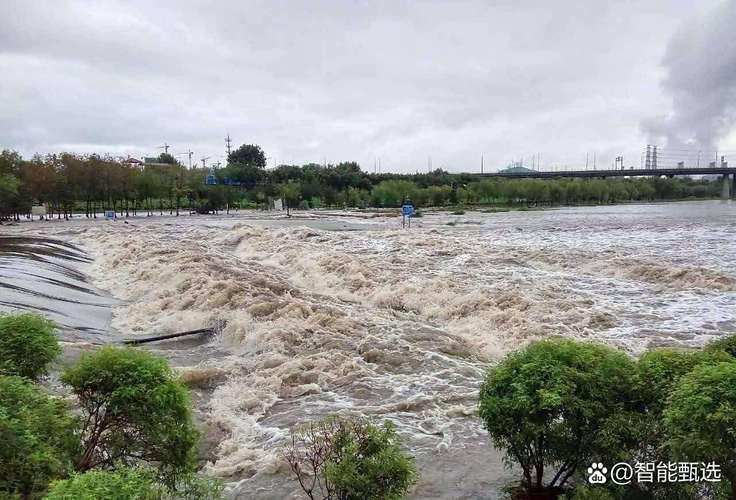
Using the global variable resolution atmospheric physico-chemical coupling model developed by the team, with the support of the supercomputers of the nationalities, the “23. 7” extreme rainfall process was accurately simulated, and the simulations corresponded to a high degree of live observation in rainfall areas, intensity and temporal evolution。
Based on simulations, the team, by designing comparative experiments based on the international frontier's “storyline” climate attribution method, found that the abnormally rapid warming trend in mongolia's high plateau played a key “back-to-back” role among the many factors leading to extreme rainfall。
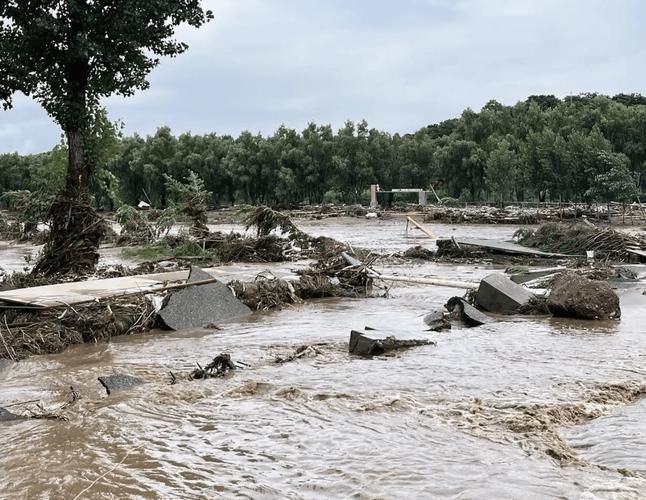
According to researchers, in the context of global warming, the warming of mongolia's plateau region has been particularly significant, with the rate of warming in recent decades reaching more than three times the global average, well above the threshold of the surrounding region. Rapid warming over the mongolian plateau (middle atmosphere), like the “heater”, has led to an exceptionally strong and stable high-pressure system in the region. This “continental high-pressure” development, which is linked to the subtropical high-pressure “hand-and-hand” in the western pacific, has created a strong “high-pressure dam” over the northern part of china。
At the end of july 2023, this “high-pressure dam” stopped the residual circulation of typhoon dusore, carrying water gas, which continued to move northward or eastward and “stuck” it for long periods of time in the pre-tahwan region. Intercepted water vapours, which continue to rise in the topography, are forced to irradiate and lift, leading to prolonged concentration of rainfall in narrow areas。
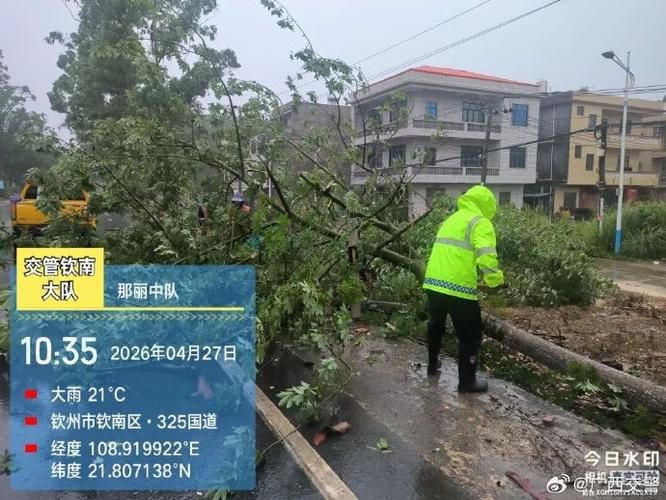
744. 8 mm rainfall has been observed in the beijing region as the largest instrumentation recorded in the city in 140 years; the maximum rainfall in hebei road county is 1003. 4 mm, which is equivalent to an average of two years of local rainfall being dumped in just three days. In terms of both the total rainfall and the extent of its impact, the incident significantly broke the historical record of extreme rainfall in north china。
This study, which goes beyond the traditional perspective of focusing only on local weather systems or discussing the effects of global warming in general, clearly shows how regional climate patterns can affect and exacerbate the intensity of extreme weather events in another region by changing atmospheric circulations into high-pressure dams. Such a “remote-related” mechanism is critical to improving early warning capabilities for the prediction of extreme weather events and developing more effective strategies for disaster prevention and mitigation and climate change adaptation, and serves as a reminder of the need to look at future extreme weather risks in a more holistic and cross-scale manner. (reporter chen wing wan)