Analysis of common post-natal breastfeeding problems
1. 1 breastfeeding difficulties
Breastfeeding is the process by which, for the first time in the post-partum period, the mother is sucking up her breast and stimulating her milk to spread. Successful breastfeeding is a first step towards successful breastfeeding, but if it fails, it may lead to a series of subsequent breastfeeding problems。
Common causes of breast-feeding difficulties include: maternal health factors (e. G., shortage of blood, depression of the liver, etc.); post-partum stress, anxiety, influence on breast reflection; incorrect breastfeeding positions and breast difficulties for the baby; and problems with nipple conditions (e. G., larvae, excessive nipples, etc.)。
The harm of the difficulty of breastfeeding cannot be ignored - if not addressed in a timely manner, it can lead to problems such as milk silt and breast inflammation, and it can also affect maternal breastfeeding confidence。
1. 2 inadequate milk
Inadequate milk is a problem for many mothers, as shown by the lack of sufficient food, the crying and the slow growth of the baby. The reasons for this lack of milk are multiple: inadequate nutritional intake; poor post-natal rest and fatigue; emotional factors (e. G. Anxiety, stress, stress, etc.); inappropriate breastfeeding methods and ineffective breast reflection; and the physical condition of the mother。
1. 3 breast congestion and mammitis
Breast congestion refers to the presence of emulsions in the tube, which causes symptoms of local hard blocks and swelling. If mammograms fail to get past them in time, they may develop further into mammitis. - breast tissue is inflammation, manifested in breast redness, heat, severe pain and even fever。
Breast congestion and mammitis are two interrelated issues. Breast congestion is a common cause of mammitis, and timely mammography is key to its prevention。
1. 4 titus and pain
The problem of breast-feeding is common to new mothers, as evidenced by the cracking of the skin on the surface of the nipple, the increased pain, especially when the baby sucks. The reason for the cleavage of the nipples is mainly the incorrect position of the breast-feeding position and the inappropriate manner in which the baby is breast-fed。
Although it appears to be a minor problem, it may lead to infection, affect breast-feeding confidence or even be forced to terminate breastfeeding if not properly addressed。
Ii. Specialized services of lactators
2. 1 definition of the profession of lactator
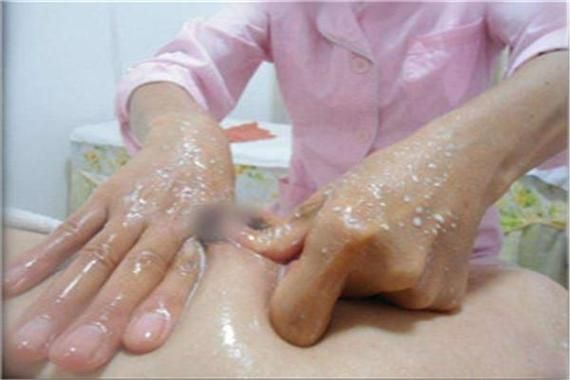
Breast-feeding is a professional who helps mothers with breast-feeding problems, using the expertise of chinese doctors, massages, and breast-feeding. The work of the lactator consists mainly of milking (helping the mother with smooth milking, breast acupuncture), breast acupuncture (enrichment of the milk), breast acupuncture (including the clogged breast acreage), breast acreage (scientific guidance for weaning)。
Breast-pumpers require a certain level of professional knowledge and skills, including: knowledge of the gland of the chinese medical profession, the technique of breast massage, the technique of breastfeeding guidance, and the ability to provide psychological guidance to mothers。
2. 2 coverage of the services of a five-fox domestic nurse
The vixen homemaker's breast-creating service, which provides all-round support for the nursing of accent mothers:
Breastfeeding services - in the case of mothers who have difficulty breasting after the birth, the breast-moistor stimulates the breast through specialized massage techniques, pampered the breast tube and assisted the mother with breastfeeding guidance. Breastfeeding services are usually most effective within 24 to 48 hours after delivery。
Breastfeeding services - in the case of breast-milk-deficit mothers, the nurse helps the mother to increase breast-drink distribution through cave massages, communication, dietary adjustment advice and breastfeeding techniques。
Lactation services - for mothers who are breast-clogged, breast-pushers are used to purge constricted mammograms, remove hard blocks and relieve swelling pain. The earlier lactation service takes place, the better。
Breast-assisted care - for mothers who have developed mastitis, the breast-creditator, under the guidance of a specialist physician, can cooperate in the provision of assistive care, as well as guidance for the timely medical treatment of the mother。
Dairy fracture care - breast-pumpers guide the right breastfeeding position and the baby's breast-bearing behaviour, and recommend suitable nipple-care products (e. G., lamb butter)。
Breast-resulting guidance - for mothers who need weaning, the emitter provides scientific breast-reducing guidance to help mothers gradually reduce breast-milk distribution and avoid problems such as breast-inflammation caused by sudden weaning。
Iii. Specialized methods of breast massage
3. 1 medical peak massage
In the case of breast-feeding services, the following methods of massage are used:
The cave - at the midpoint of the two breast links - is massaged with a wide pectronic and masturbated breast。
The masture - located in the breast root area, massages the lacerations of the breast, and promotes the distribution of the milk。
The temple of the sky - beneath the shoulder bone of the back - is massaged with ablution and acupuncture。
Three-mile cave - on the outer side of the calve - massage of the cavity allows for the management of the abdominal abdominal fluids, the respiration of blood, and the fundamental improvement of milk distribution。
3. 2 breast tube trachea
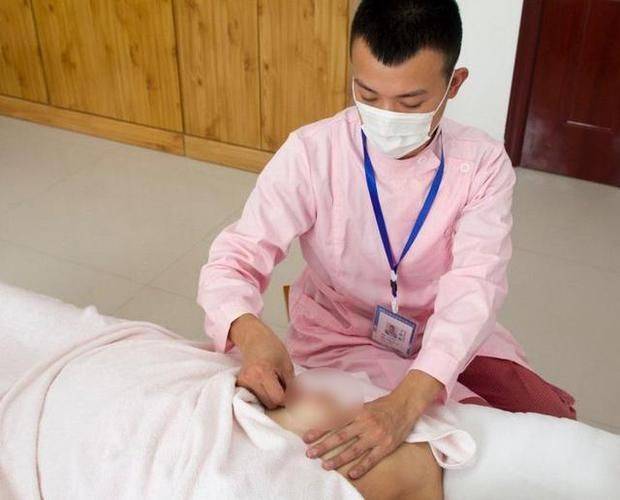
In the case of breast congestion, the pamphlet is used by the embroidery teacher in a professional method: first, the mammogram is warmed with a hot towel, which expands the mammogram; then, with a professional massage hand, the mammogram is pushed in the direction of the breast root and the constricted mammary tube is removed; and lastly, the mammogram and the nipple are massaged to stimulate breast reflection。
It is important to emphasize that breast massage is based on professional training and that self-mutilation by non-professionals may result in mammogram damage due to inappropriate modus operandi。
Iv. Timing of breastfeeding services
4. 1 best time for milking
The best time to breastfeed after delivery is within 24 to 48 hours. The breastfeeding service during this time period will provide the greatest incentive to breast-milk and mammography and provide a good basis for subsequent breastfeeding. It is recommended that a breast-feeding nurse be appointed as soon as possible during or after her discharge from hospital。
4. 2 breasting time
Breast-milk treatment should take place as soon as the symptoms of mammography occur. The longer the blockage, the more difficult it is to get out, the easier it is to develop into breast disease. In the event of symptoms such as mammograms, swelling pain, an appointment should be made immediately。
4. 3 timing of lactation
In the event of a post-partum milk shortage, the help of a lactator should be sought as soon as possible. Breast-feeding is a gradual process and usually requires multiple services to see tangible results. The sooner we intervene, the better。
V. Self-care advice for breastfeeding
In addition to the services of a professional nurse, the mother can take care of herself during the breastfeeding period by:
5. 1 correct breastfeeding position
Proper breastfeeding positions are the basis for successful breastfeeding. When breastfeeding, the baby's body should be closely attached to the mother's body, with a straight line to the head and body, and the baby's face on the breast, with most of the irradiation in its mouth. The correct breast position can effectively stimulate breast reflection and reduce the risk of nipple fracture。
5. 2 catering
The diet of breastfeeding should be nutritionally balanced, with more protein-rich food (e. G. Fish, meat, eggs, milk, etc.) and water-rich food (e. G. Soup, porridge, fruit, etc.). The traditional idea of "fetch soup" (e. G. Pig hoof soup, fish soup, etc.) does help to increase milk distribution, but attention should be paid to the right amount and to avoid over-oiling leading to milk clogged。
5. 3 emotional reconciliation
Emotional factors have an important impact on milk distribution. Negative moods such as anxiety, stress, stress, etc. Can inhibit the reflection of breast milk, leading to a decrease in breast milk. It is recommended that breastfeeding mothers remain in a good mood and that their families should be given full understanding and support。
5. 4 timely resolution of issues
Breast-feeding should be dealt with in a timely manner and without delay in the event of any discomfort or abnormality (e. G. Breast pain, fever, tectonic fracture, etc.). Minor problems can be dealt with at home, and serious problems should be met by timely appointment of a nurse or doctor。
Concluding remarks
Breastfeeding is the most precious gift given to the baby by the mother, but this does not mean that the road has to go alone. When breastfeeding is difficult, the help of a professional nurse can make the road easier。
The vixen homemaker's breast-creating service provides a full range of breast-feeding support with skilled and sincere services. Every mother who chooses to breastfeed will be able to successfully complete this precious and beautiful journey with professional support。