In 1914, the world ushered in a global conflict of unprecedented proportions — the first world war. This war is not only a localized military conflict, but also a rallying point for multiple social contradictions such as industrialization, imperialism and nationalism. It radically changed the international landscape of the twentieth century, becoming the beginning of modern warfare and laying the foundation for subsequent historical developments。
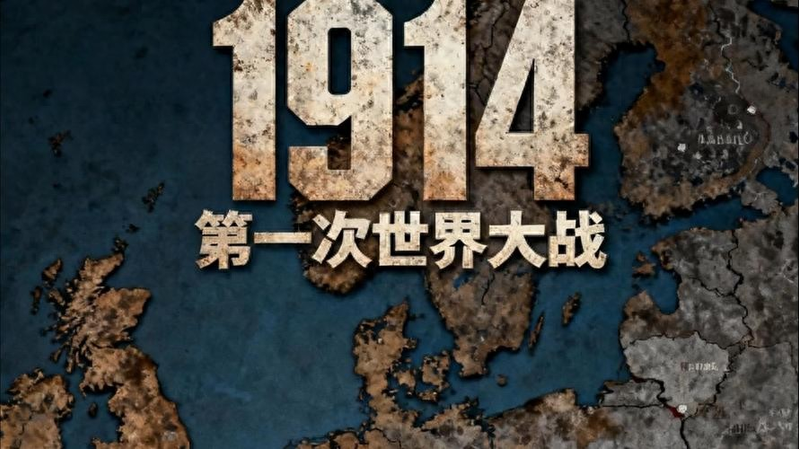
This paper will provide you with a comprehensive analysis of this historic change that has been dubbed the “world wars” in terms of the context of the war, the trigger, the main history, its implications and its far-reaching implications。
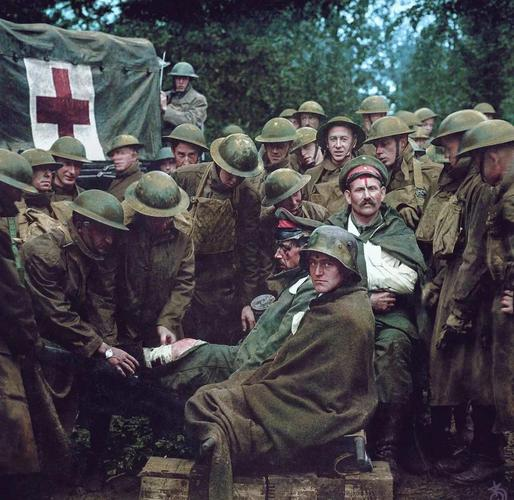
From the end of the nineteenth century to the beginning of the twentieth century, the european powers were engaged in intense colonial competition around the globe. Great powers such as the united kingdom, france, germany, the austro-hungarian empire and russia have created a complex pattern of colonial competition for resources and influence in africa, asia and the pacific. This intense competition has created tensions between countries and has set the stage for future conflicts。
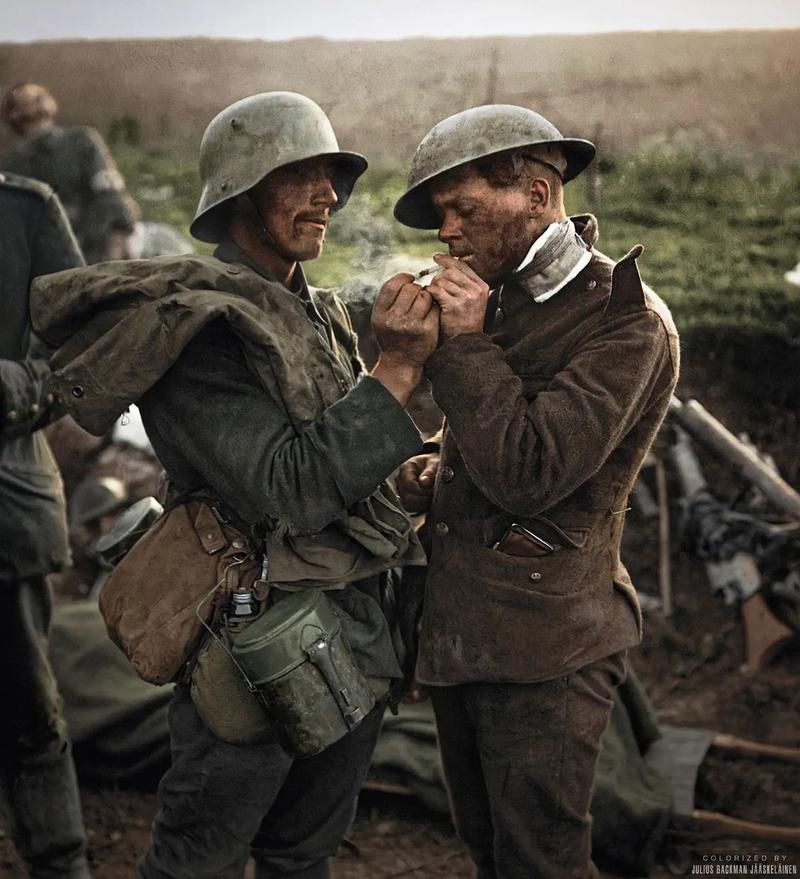
Nationalism, as an important ideological trend in europe in the nineteenth century, contributed to the formation and growth of nation states. However, nationalism has also led to rejection and hostility towards the “others”, especially in the hungarian empire and multi-ethnic states, where ethnic tensions have become more acute. For example, ethnic conflicts in the balkans have become one of the triggers。
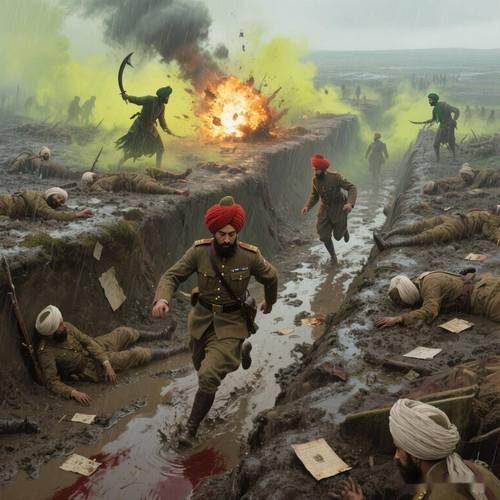
The european powers are engaged in intense military competition, particularly the naval expansion between germany and the united kingdom. At the same time, in response to growing threats, european countries have established a series of systems of military alliances: the troika (germany, the austro-hungarian empire, italy) and the troika (united kingdom, france, russia). These alliances have to some extent increased the likelihood of war, which could trigger a full-scale war once localized conflicts have erupted。
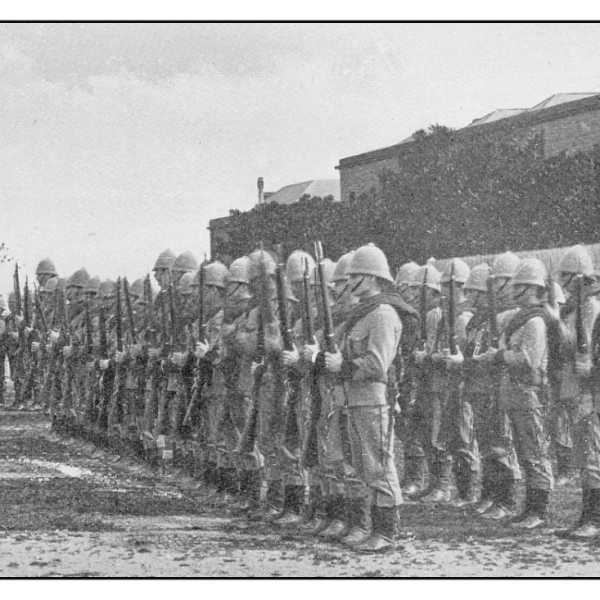
The economic changes brought about by the industrial revolution had led to a significant increase in the military and industrial capabilities of european countries, but also to social discontent, worker movements and class conflicts. These social pressures have been exacerbated during the war and have been one of the driving forces behind the country's violent actions。
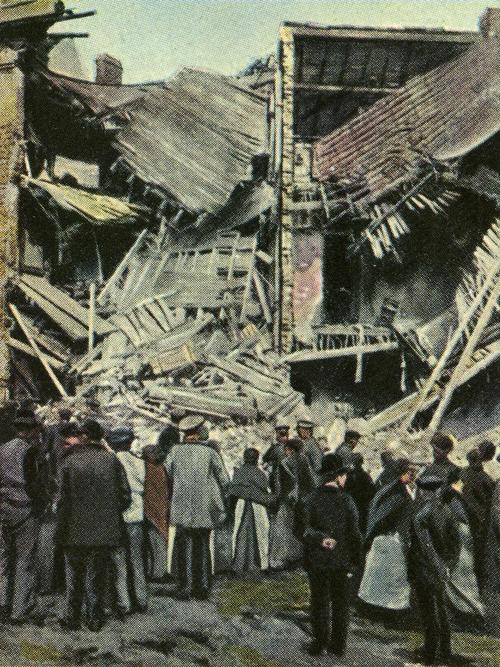
On 28 june 1914, crown prince franz ferdinand of the austrian empire was assassinated in sarajevo in the balkans by serbian nationalists. The incident became the trigger. The hungarian empire accused serbia of supporting nationalist separatist activities and issued an ultimatum requesting serbia to respond and take measures to curb nationalist movements. Serbia's rejection and the military action of the austrian-hungarian empire had quickly triggered a series of chain reactions, and european countries had become involved in war under the established system of alliances。
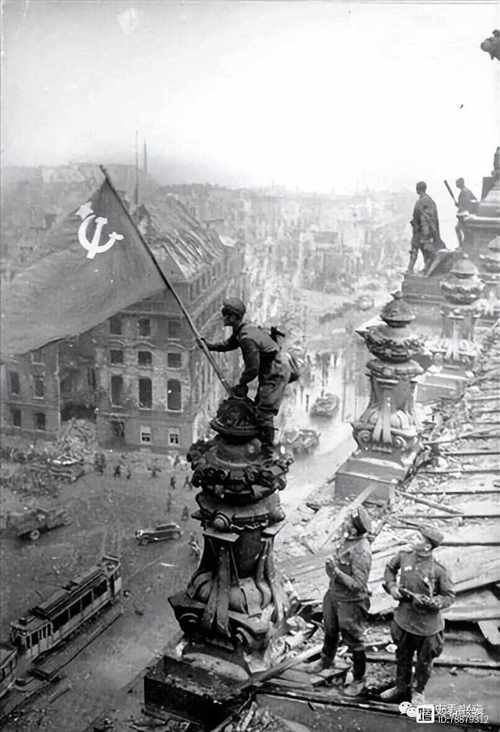
On 28 july 1914, the austrian hungarian empire declared war on serbia. Germany declared war against serbia in support of the austro-hungarian empire. As an ally of serbia, russia mobilizes troops to fight. Germany, on the other hand, has quickly launched an attack on france under the “shriffen plan” in an attempt to defeat france and belgium on the western front in a short period of time。
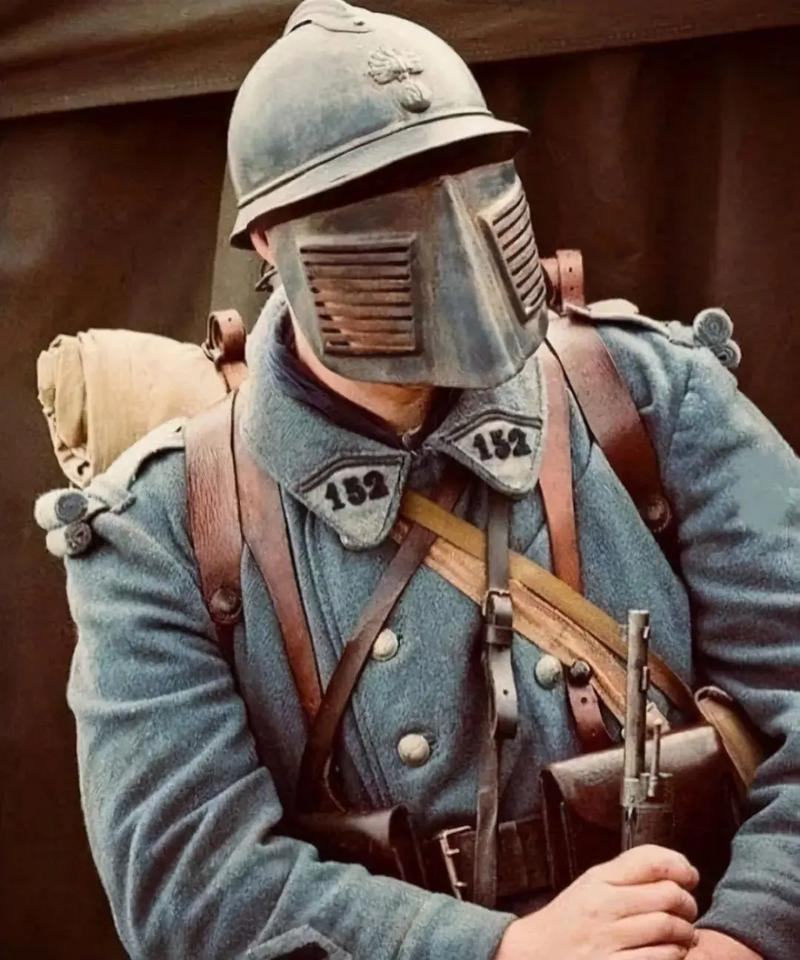
War quickly spread from europe to the world. Japan's interests in china and the pacific region had been involved, italy had joined the constabulary after the outbreak of war, and the ottoman empire and bulgaria had joined the allies. The british blockaded germany and the fighting at sea was intense. Colonies in regions such as africa, asia and australia have also become battlefields, creating a truly “world war”。
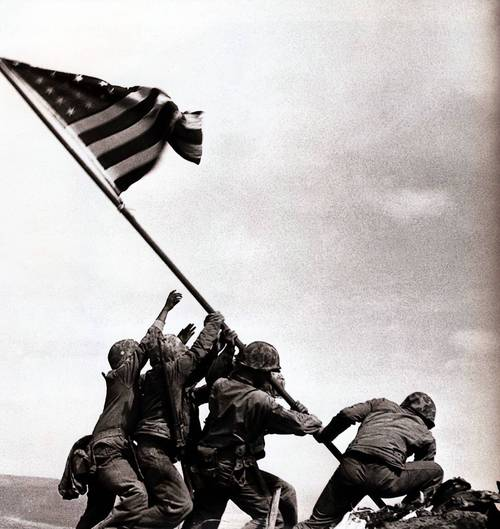
The western front: the battle is characterized by a “drenched battle” with hundreds of kilometres on the front and a stalemate. The battles of verdun and soom became a symbol of blood。
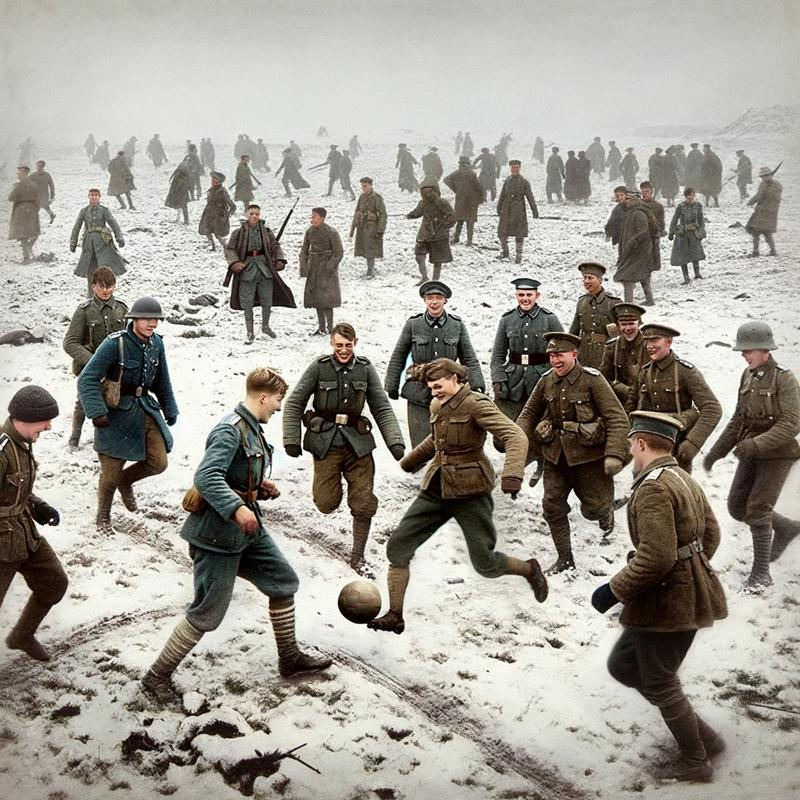
The eastern front: relatively flexible battles, intense fighting between the russians and the deutsche army, and russia's emergence into a difficult situation。
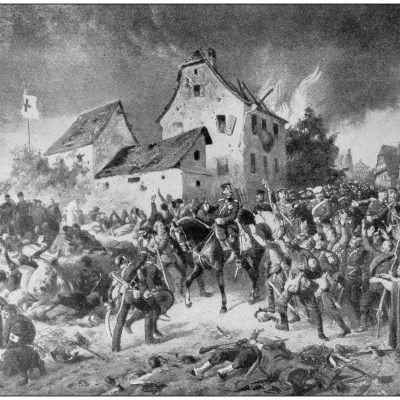
The italian battlefield: italy joined the convention in 1915 and took part in the offensive against the austro-hungarian empire。
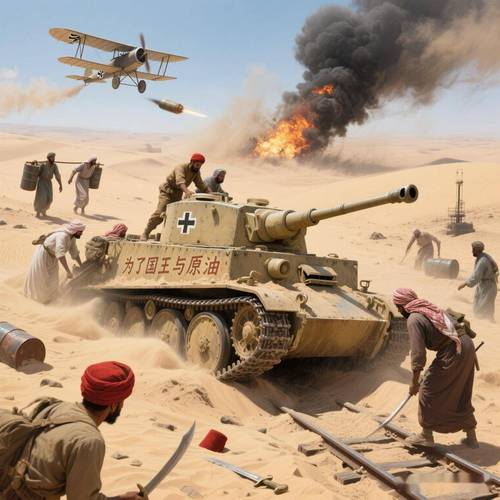
The middle east and the african battlefields: the ottoman empire competed with britain and france, and events such as the arab uprising became important chapters。
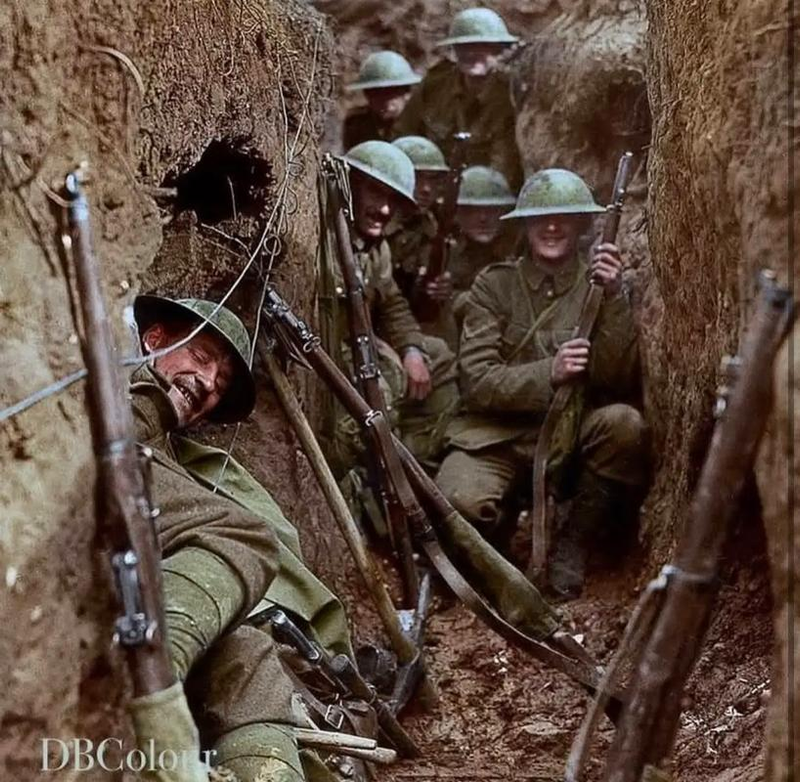
World war i introduced a large number of new types of weapons: tanks, aircraft, submarines, chemical weapons, etc. These new technologies have dramatically changed the face of the battlefield and brought unprecedented devastation。
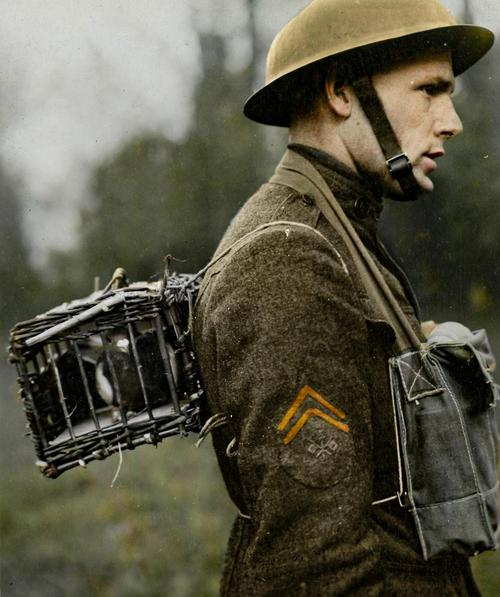
The collapse of the empire: the austro-hungarian empire, the ottoman empire, the russian empire, and the emergence of new states such as czechoslovakia, yugoslavia, turkey, etc。
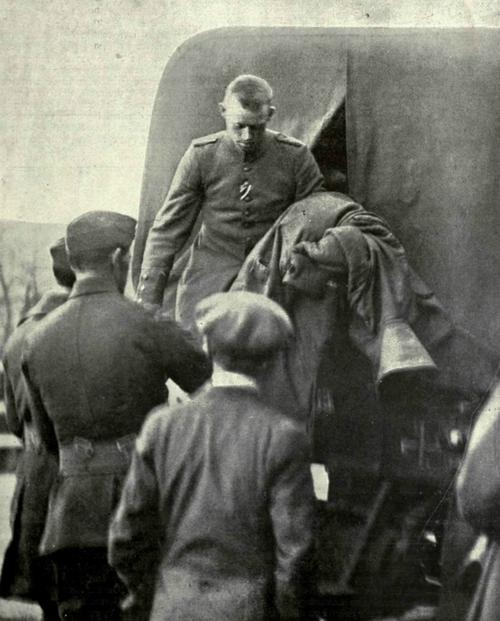
Russian revolution: in 1917, russia broke out in february and october, overthrowing the tsar and establishing soviet power, with far-reaching consequences for world history。
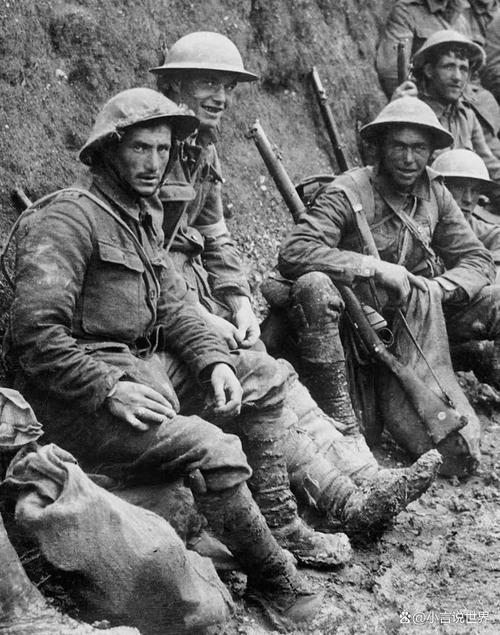
The war has caused enormous loss of life, with some 17 million people dead and tens of millions injured or missing. After the war, the european economy was plunged into recession and social unrest. The role of women in war has been re-recognized and the status of women has increased。
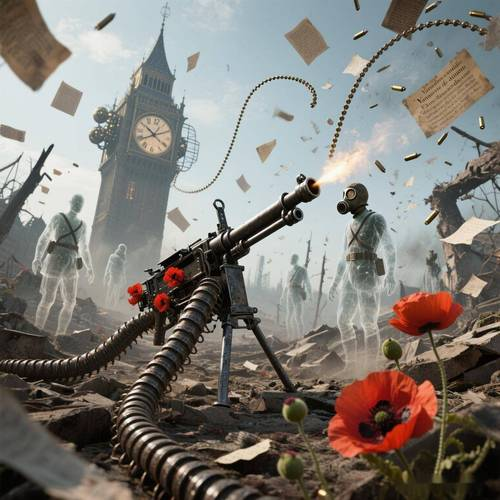
In 1919, the paris peace conference concluded the treaty of versailles, which severely punished the defeated germany. The creation of an international coalition to try to preserve world peace has had limited effect。
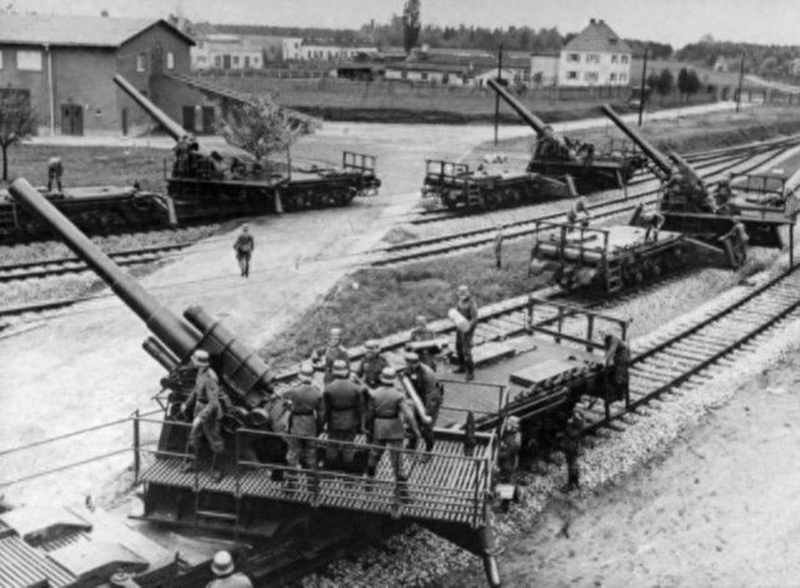
War has brought into question traditional values, and modernist thinking has emerged. The fields of literature, art and philosophy are profoundly affected。
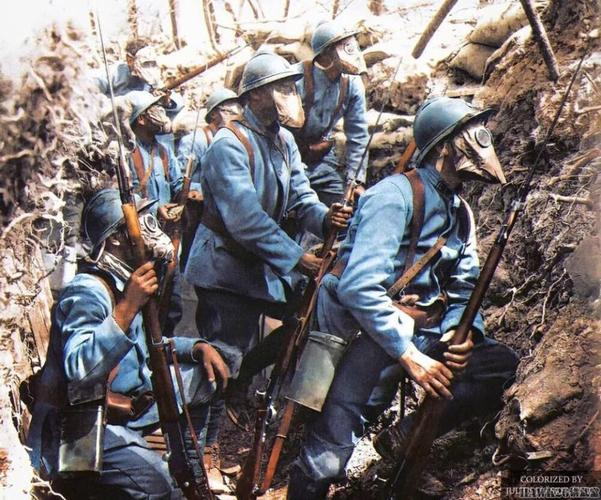
The age of modern war has begun: mechanization, industrial warfare has become the norm, and the battlefield has never been larger and more destructive。
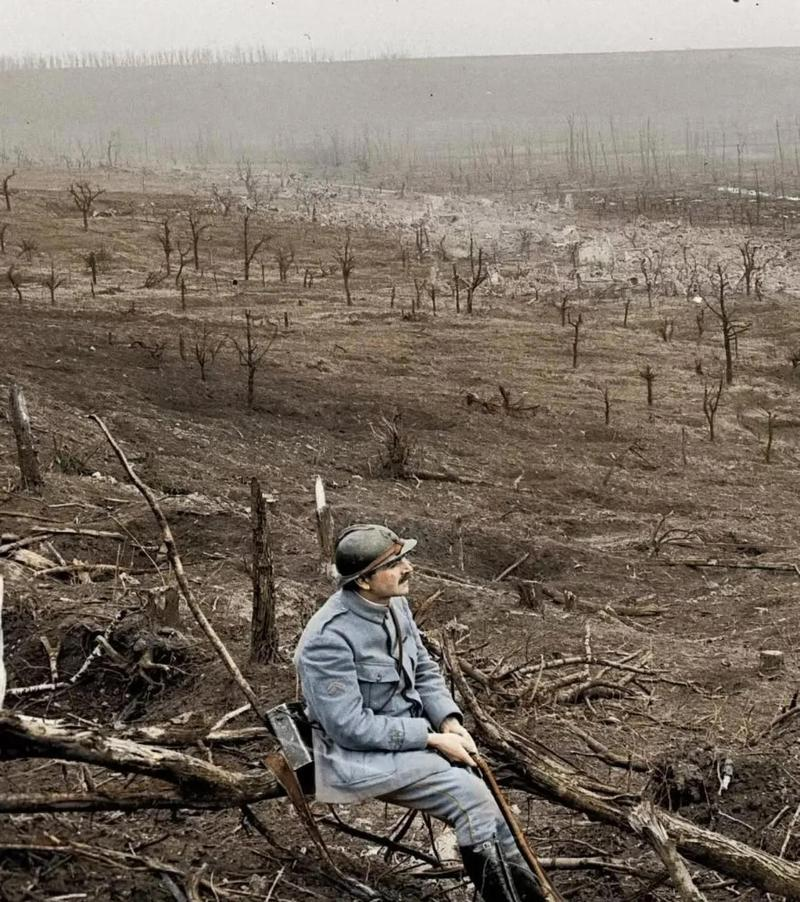
:: promoting social change: women's liberation movements, workers ' movements accelerated and social structures changed。
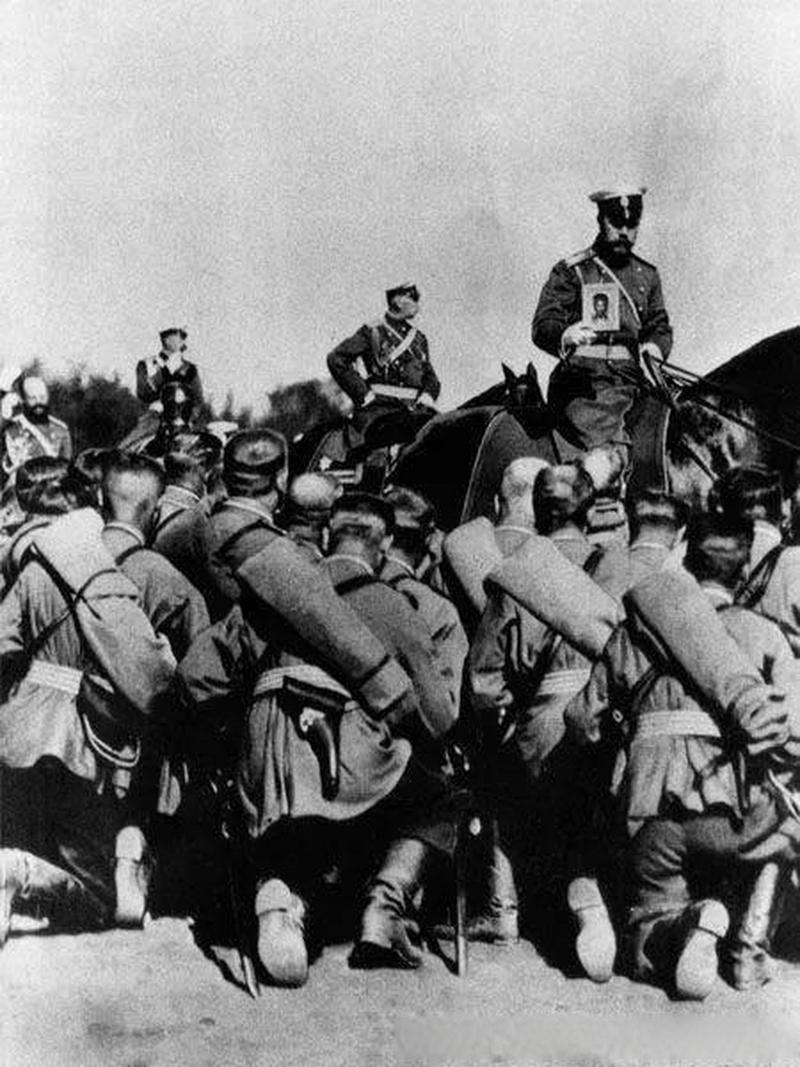
Impact on international relations: the establishment of the league of nations, while not preventing the second world war, provides experience for international cooperation。
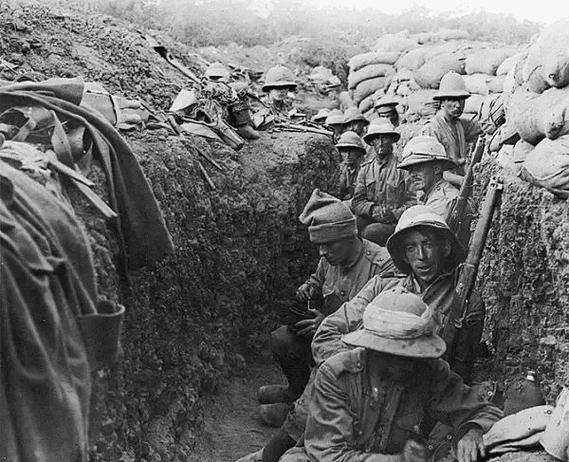
The ensuing conflict: the harsh conditions of the versailles treaty planted the seeds of the second world war。
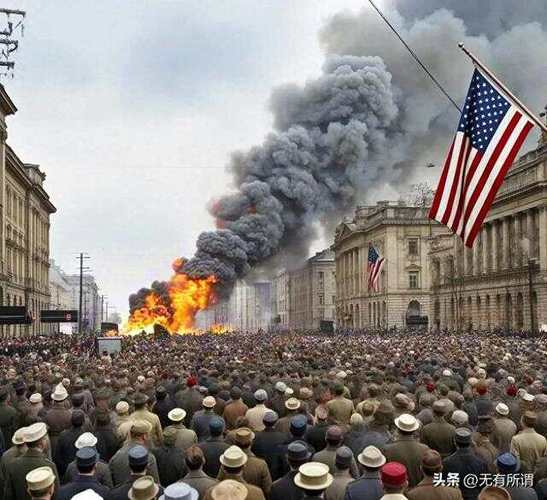
World war i is a global crisis that is intertwined by multiple social, political and economic contradictions. Not only has it reshaped the political landscape of europe, it has also profoundly affected the course of global history. The bitter lessons of this war remind us of the precious value of peace and the destructive power of war。
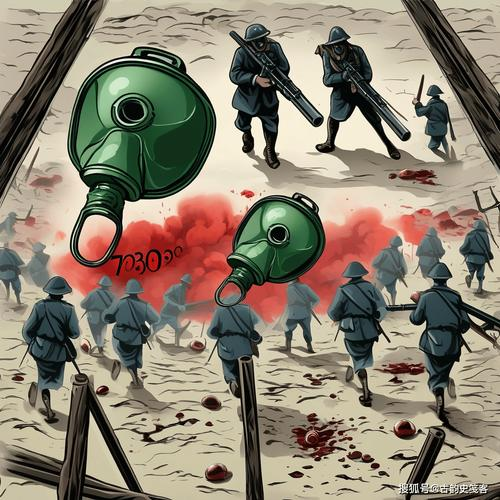
As a testimony to history, it prompts future generations to reflect on the importance of international cooperation and peace as an important reference for the twentieth century and for the future。