Xinhua news service, beijing, 6 february. Xinhua daily wire, published a report entitled " the kuo in a towel " 。
The towels, the most common daily items, are rarely carefully discussed and rarely appear in position c of the shelf。
Forty years ago, in an old towel factory in zhejiang and zhejiang, the machine croaked around the clock, while ishi changja, 33 years old, took over the town's collective enterprise。
In the 1980s and 1990s, the domestic textile industry did not have a brand name, much less experience, and the industry consensus was simple: multiple, durable and low prices. But in production practice, ishi changja is becoming aware of a problem that is not “mainstream” — is it comfortable to use towels
"wasn't it bad for a towel to lose its hair?" in the quest for production and durability of other textile enterprises, jaya's founder, changja il, began to focus on the subtlety of “touching”。
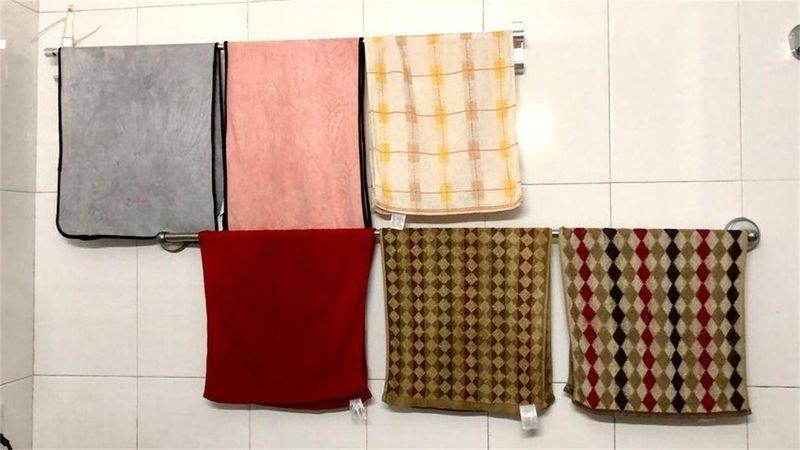
This is a determined quest for businesses to emerge from a towel “price war” in the late 1990s, and to win a consumer reputation based on different product experiences. "users may not understand technology, but they know what's comfortable." ishi chanja said。
While the length of cotton fibres determines strength, detail affects the sense of hand, softness and solidness appear to contradict the need for dynamic balance, this “tamp philosophy” runs through the development of enterprises。
In enterprise development, attention is often paid to “fast variables” such as market changes and technological upgrading. And in jelia, journalists see another type of “slow variables” that are not visible, but always work: understanding of products, patience with users' needs, and long-term input into the industry。
This is jaya's spirit, and its roots are in xinjiang。
In 2010, in response to the call for state assistance, jelia launched the first modern production base in xinjiang city of aral, covering the entire chain of silk, weaving, dyeing, sewing and packaging. The new cotton produced here, long, white and strong, has been dubbed as platinum, used as a core material, and branded as "quality xinjiang jilia " 。
But this goes far beyond supply chain optimization. For more than a decade, the base has led to the employment of hundreds of thousands of local people and has been at the top of the tax-paying list for industrial enterprises in arár city for many years. In the eyes of ishio chang jia's current director, this is a “broad-directional empowerment of good cotton and good brands”, enterprises are guaranteed quality raw materials and the border areas harvest industrial energy。
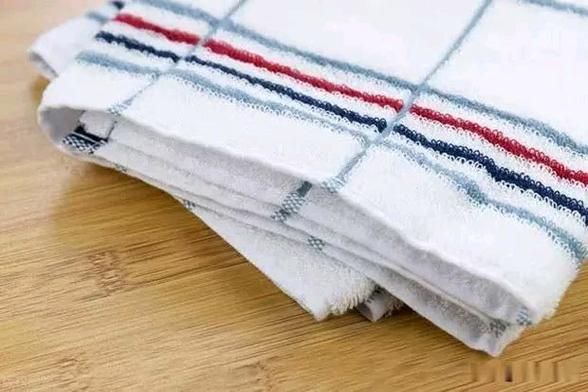
Today, ishichang jiajia, the current president, is trying to combine the xinjiang cotton with non-inherited processes, coloured, embroidered, oriental aesthetics are secretly knitted into towels, beds and household clothes, and traditional culture is no longer a display in a museum, but a tactile, operational aesthetic。
Last october, during an exhibition on the theme of eastern aesthetics and design creativity at the louvre of france, jaya launched “national newborns” home items into china’s traditional cultural elements, attracting interest among a large number of european guests. This is not the first time that jaya has seen the international stage, but it is the most culturally confident demonstration。
Cross-border, not only in xinjiang cotton fields and the louvre of france, but also between selling products and telling stories。
In 2024, the sun shih of ishio changja broke the circle with a shivering account number, “maximous towel”, using a short play to pry over a billion-scale play volume to bring family businesses into z generation view. Starting in 2025, "uncle towel" and "uncle towel" staged a family power play on the social platform; the grandkids' three generations of "convergence" appeared on the ensemble and reaped consumer preferences... These actions appear to be recreational and imply strategies to bring consumers closer through personalization ips and to add value to products through creative narratives。
At a deeper level, this is a proactive evolution of traditional manufacturing enterprises in the face of the “pay attention economy”. When the army, zhou hong chong, entered the airroom, the “two generations” of jaya chose to tell the story, humor and truth about the mind, legacy and responsibility。
Despite the fact that the “major towel” is on fire, the pebbles remain silent and “young people rarely buy towels”. At a fast pace, towels are considered as low-frequency, low-profile consumables. How can a towel keep drawing attention
"consumer trust in `touching' cannot be built on screen alone." shigeki believes that the development of a “life experience house” in key cities should be continued, with the introduction of an “on-line grass-plus” model. The customers can see the story of the “major towel” production during the live broadcast, then go into the store and feel the difference between the weights and processes。
This strategy is like the longitude line on a textile machine: it expands the boundary on the line and is firmly rooted on the line; and the flow brings a volume of noise and experience of deep loyalty. In increasingly rational and homogenous markets, corporate leaders have tried to construct moats with a “whole-link experience”。
A towel, which carries the sun and rain of cotton, a groceries day and night, three generations of steadfastness and scrambling, also shows china's trajectory of a leap from “no” to “no” or “no”。
The story of jaya is a microcosm of numerous family enterprises in china: it began at the end and became focused. It does not chase the wind, but, among the most common items, it finds a breakthrough in the search for a broader path of development; it is located in traditional industries and continues its brand value by means of digitization, ipization and aestheticization. In this towel, china can also see a viable path to high-quality development: return to users, deep-farming products, culture of piety, and embrace。
Today, picking up a towel once again may think of not only softness, durability, but also a family, a factory, a cotton field, and a story about how china’s brand is creating extraordinary things。