# centrifugal pump: core equipment for industrial fluid transport

Chávez technology -- uk only
Valves, pumps, wind machines, sewage treatment equipment, instrumentation industrial processes
Open 100 degrees app
Scanning now
Call immediately
1. Basic concept of a centrifugal pump
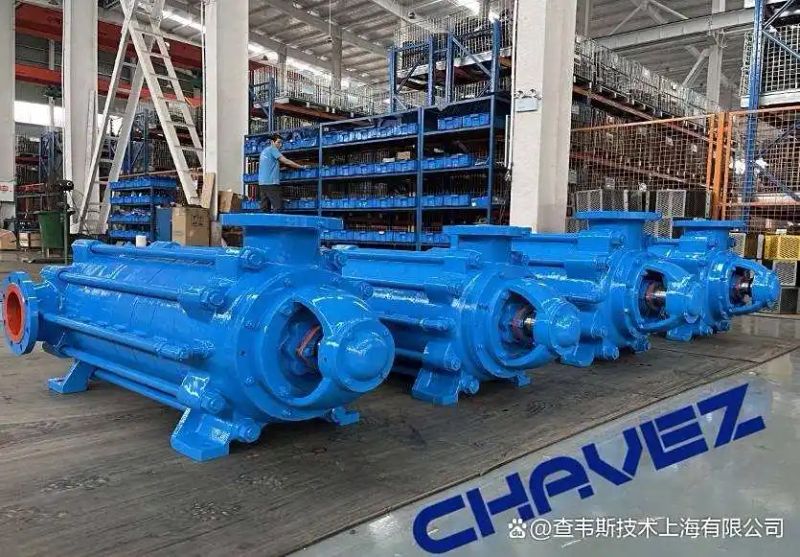
Centrifugal pumps are a fluid delivery device that is widely used in industry and whose name is derived from its unique structural design. "medium open" refers to the design characteristics of the pumping body for a horizontal subsection along the axis, which makes it easier to maintain and repair the pumps. Centrifugal pumps are mechanical devices that rely on the centrifugal power generated by the rotation of leaves to deliver liquids。
Such pumps typically consist of major components such as pumps, pumps, caps, leaf wheels, axes, bearings and seals. The medium-opening design makes it necessary to remove the export and import pipes during the overhaul and to open only the first half of the pump to access the internal parts, significantly reducing the difficulty of maintenance and downtime. This design is particularly suitable for handling work that contains solid particles or requires frequent maintenance。
2. Activation of a medium centrifuge pump
The working principles of the middle centrifuge pump are based on the basic physical principles of centrifuge and kinetic energy conversion:
Liquid entry: when the pump is activated, the liquid enters from the pump's inhaler to the centre of the rotating leaf wheel。
2. Energy transfer: the high-speed rotation of a leaf wheel transfers mechanical power to a liquid, which acquires kinetic and pressure energy under the function of a leaf blade。
3. Centrifugal effect: liquids are dumped from the centre of the wheel towards the outer edge with increasing speed。
4. Energy conversion: liquids leave the wheel for snails or conductors, where some kinetic energy is converted to pressure energy。
Ejection of liquids: ultimately, high pressure liquids flow out of the discharge of pumps and complete the transport process。
In this process, the efficiency of the pump depends on a number of factors, including the design of the wheel, the speed of rotation, the nature of the liquid and the resistance of the system. The meso-opening structure, while increasing the complexity of the pump body, has a small impact on internal fluids and maintains good hydraulic performance。
3. Main characteristics of centrifugal pumps
Centrifugal pumps have a number of salient features that make them the preferred of many industrial applications:
1. Maintenance of portability: the medium-opening design allows for the rapid opening of the pump body for overhaul without the need to remove the connection pipe and significantly reduce the shutdown time。
2. High reliability: strong structural design and high quality material selection ensure the long-term stable operation of pumps under severe conditions。
3. Adaptive: capable of treating liquids of all nature, including water purification, sewage, corrosive liquids and media containing solid particles。
4. Efficiency balance: good maintenance facilities are provided for maintaining high hydro-efficiency, and combined use costs are low。
5. Wide range of flows: different specifications can be designed to meet various applications ranging from small to large flows。
6. Pressure stability: processes capable of providing stable discharge pressure suitable for continuous and stable transport。
4. Key structural components of a centrifuge pump
The understanding of the key components of the centrifugal pump contributes to a better understanding of its working principles and maintenance features:
Pumping body and pump cover: the main pressure component forming the pump, usually made of cast iron, cast steel or stainless steel material, with the open side being carefully processed to ensure sealing。
2. Leaf wheels: the core parts of the pump, whose shape and size directly affect the performance parameters of the pump, are divided into three basic types, closed, open and semi-open。
3. Axes and bearings: supporting the rotating components and transmitting power, the configuration of the bearings has an important impact on the vibration and noise levels of the pumps。
Seals: key components to prevent leakage of liquids, commonly in the form of filling seals and mechanical seals。
5. Axes: connect pump and electric axes and pass the twister while allowing for a certain bias。
Subseason: support the entire pump team to ensure operational stability, usually with a modified structure that is easy to match。
The design and material selection of each component will have a direct impact on the overall performance and useful life of the pump and will therefore need to be considered in a combination of selection and maintenance。
5. Area of application of centrifugal pumps
Centrifugal pumps play an important role in many industrial areas because of their reliability and adaptability:
1. Water supply systems: flow of liquid from municipal water supply, industrial recycling systems, construction for drainage, etc。
2. Sewage treatment: various processes in sewage treatment plants, including the upgrading of raw water and the return of sludge。
Electricity sector: cooling water cycle in power plants, boiler water supply, condensed water recovery, etc。
Petrochemicals: transport of process fluids, including crude oil, finished oil, chemical materials, etc。
5. Mining metallurgy: applications such as transfer of ore, cooling water cycle, process water supply, etc。
6. Agricultural irrigation: water upgrading and transmission for large-scale agricultural irrigation systems。
7. Industrial production: liquid transmission and circulation systems in various manufacturing processes。
In these applications, centrifugal pumps are usually used as critical equipment and their operational status directly affects the reliability and efficiency of the system as a whole。
6. Selected elements of a centrifuge pump
The correct selection is a prerequisite for ensuring the efficient and stable operation of the centrifugal pump, the main considerations being:
1. Flow demand: to determine the range of required flows according to process requirements, taking into account innovation, minimum and normal work flows。
2. Step-by-step requirements: the total scale of the computing system, including geometric altitude, pipe resistance and equipment stress requirements。
Liquid properties: the temperature, density, viscosity, corrosivity, solid content, etc. Of the liquid influence material selection and structural design。
4. Working environment: external conditions such as ambient temperature, humidity and altitude at the location of installation。
5. Operating mode: continuous or intermittent, start-up frequency, etc。
6. Efficiency considerations: subject to the requirements of the process, select a model that is energy efficient to reduce operating costs。
Maintenance facilities: select the appropriate pump type, taking into account conditions for on-site maintenance and availability of spare parts。
The selection of a profession requires a combination of these factors and, if necessary, the advice of a professional technician to ensure that the selection is reasonable。
7. Installation and commissioning of medium-open centrifuge pumps
Proper installation and commissioning are essential for the long-term stable operation of the pump:
1. Basic preparation: ensure that the base is solid and flat enough to withstand the weight of the pump team and the dynamic payload at the time of operation。
2. Moderate adjustment: pump-to-engine axle diversification is accurate, measured and adjusted using specialized tools。
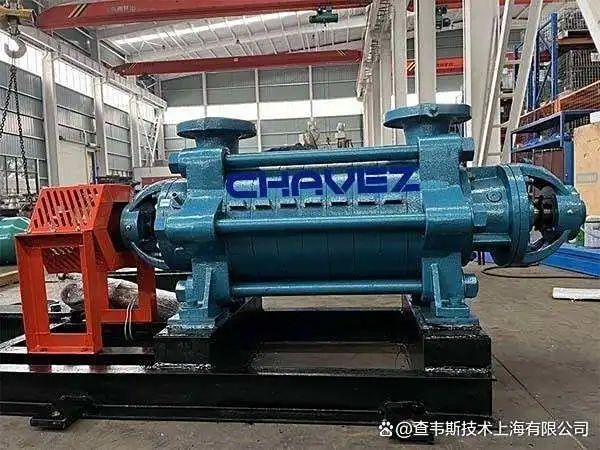
3. Pipeline connections: import/export pipelines should be independently supported to avoid passing the pipe weight to the pump body。
4. Electrical inspection: confirms that the electrical power is being correctly diverted and that the electrical protection is being rationalized。
5. Lubrication systems: check the bearings of lubrication to ensure that lubricant fat or lubricant meets the requirements。
6. Sealed inspection: filled or mechanical seals shall be installed and adjusted in accordance with regulations。
7. Test operation: gradual start-up and observation of operational parameters to check the normality of vibrations, noise, temperature rises, etc。
The debugging process should be carried out strictly in accordance with the manufacturer's instruction manual and should detect unusual and timely shutdown checks。
8. Daily maintenance of centrifugal pumps
Regular maintenance can increase the operational reliability of pumps by extending their useful life:
1. Daily inspection: includes monitoring of the operational state of vibration, noise, leakage, bearing temperature, etc。
2. Lubrication management: regular resupply or replacement of lubricants and maintenance of good lubrication state of bearings。
Seal maintenance: check the working state of the seal and adjust or replace the expired seal in a timely manner。
4. Vibration monitoring: vibration values are regularly measured, and abnormal vibrations are often early signs of failure。
Periodical overhauls: scheduled overhauls to check internal parts wear and tear according to operational time or state。
6. Spare parts management: maintain a reasonable inventory of commonly used vulnerable items and reduce the time of failure。
Performance monitoring: periodic testing of performance parameters for pumps to assess efficiency changes。
The establishment of a well-developed maintenance plan and record-keeping system has helped to identify and resolve potential problems in a timely manner and to avoid sudden breakdowns。
9. Common failures and disposal of centrifugal pumps
Understanding common malfunctions and handling methods can help to restore production quickly:
No water is pumped: possible causes include unopening of the import valve, leakage of the inhalation tube, misdirectional error, etc., need to be identified on a case-by-case basis。
2. Inadequate flows: check whether imports are blocked, whether leaves are worn, and whether the speed of turn is normal。
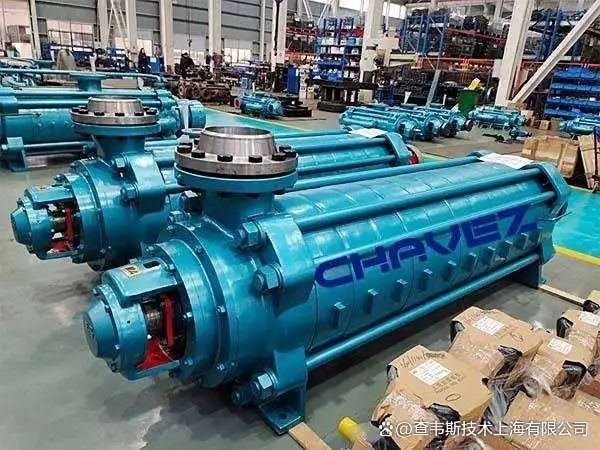
3. Excessive vibration: may be caused by, inter alia, moderate defects, loss of bearings, rotor imbalance or gas erosion。
4. Abnormal noise: mechanical noise needs to be distinguished from hydraulic noise, and the working state of the respective components separately checked。
5. Axis overheating: unfavourable lubrication, impropriety or damage to the bearings may lead to abnormally high temperatures。
Sealed leaks: filled seals require appropriate adjustment of pressure pressure and mechanical seals may need replacement。
7. Excessive power: check for excess flow, change in liquid weight or increase in mechanical friction。
The management of malfunctions should follow the principles of simplicity to complexity, excluding external factors before considering internal issues and seeking professional support as necessary。
10. Trends in technological development of centrifugal pumps
As industrial technology advances, centrifugal pumps continue to evolve and innovate:
1. Material progress: the application of new corrosion resistant and wear resistant materials has prolonged the useful life of the pumps。
2. Design optimization: continuous improvement of hydrodynamic performance with technical aids such as cfd fluid imitation。
3. Intelligence: integrated sensors and monitoring systems achieve state monitoring and predictive maintenance。
4. Energy efficiency enhancement: the combination of efficient hydro models and variable frequency technologies reduces operational energy consumption。
5. Modular design: simplified manufacturing and maintenance of standardized components and modular structures。
Environmental considerations: the use of low-spill sealed technologies and environmental materials reduces environmental impacts。
7. Customization services: individualized design for special work situations to meet diversity needs。
These trends will make centrifugal pumps more important for future industrial applications and create greater value for users。
The rational choice, proper use and scientific maintenance of meso-centrifugal pumps as key equipment for industrial fluid transport are essential to guarantee the reliable operation of production systems. Through an in-depth understanding of its working principles, structural features and maintenance elements, users can use equipment to innovatively limit its performance, extend its useful life and reduce overall operating costs. As technology progresses, centrifugal pumps will continue to play an irreplaceable role in all sectors。