


The news client, the reporter, yuki, the correspondent, wu se-yi
As pathological reports that help doctors to understand patients ' condition and type of disease, many patients complain about the need to wait long enough to know the results。
The pathologists are very careful and responsible to each patient, and each pathological specimen is subject to several procedures to ensure the accuracy and reliability of the pathological results。
“the birth of a pathological report requires these levels:
1. Upon receipt of the pathological specimen, the pathologist will carefully check the sample information and record the extraction of the specimen, making general observations and extracting material records。
2. Pathological specimens requiring examination are dehydrated for a period of more than 10 hours to ensure that the specimens are fixed so that the next day they can be immersed and made into tissue wax。
3. Small wax blocks are placed on tissue slicers and sliced into tissue sheets of about a few micrometres thick。
4. To organize the thin beaches in water and bind them to the tablets and to dye them。
5. The tissue samples sent for inspection are made into a film that can be used for observation under a microscope。
6 at this time, pathogens have been transformed from macro-general specimens to micro-organism cells. The pathologist gives a “gold standard” for clinical diagnosis through microscopes。
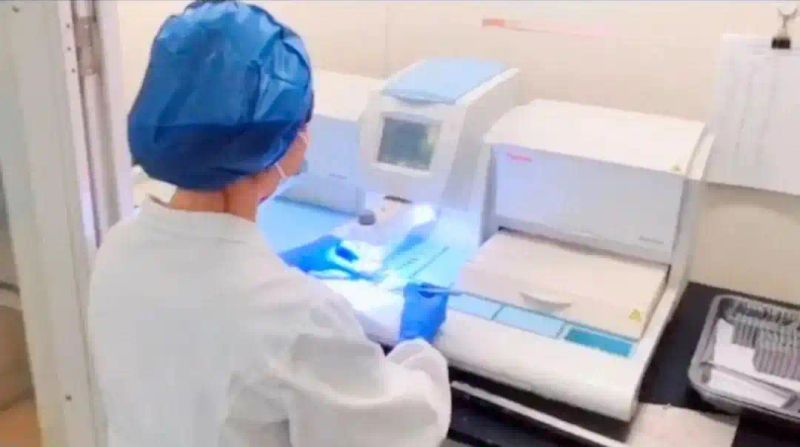
Hospital for maps
In addition to gynaecology oncology, common hospital pathology samples include placenta, breast, thyroid, skin, etc. At the same time, pathologists perform immunisation, special infections and molecular tests for further diagnosis, which will require more time for special treatment and reporting of tissue samples。



