In the age of interconnectivity, embedded microprocessors have infiltrated every corner of life — from the thermostats of intelligent homes to the electronics of cars, from the custodians of medical equipment to the industrially controlled plc. While facilitating these devices, they also face serious threats of code manipulation and data disclosure. A “silent war” on embedded security mechanisms is ringing and developers are building layers of protection for these micro-digital forts through innovative designs。
Code protection: no place for malicious attacks. Hands
Codes are the soul of embedded systems, and code manipulation is the most common means of attackers. A well-known smart door locker has learned a terrible lesson: hackers use physical contact devices, use debugging interfaces to inject malicious codes, bypass identification mechanisms and lead to thousands of locks being remotely controlled. This incident exposed the fatal weakness of the code protection of traditional embedded systems — a lack of active defence capability。
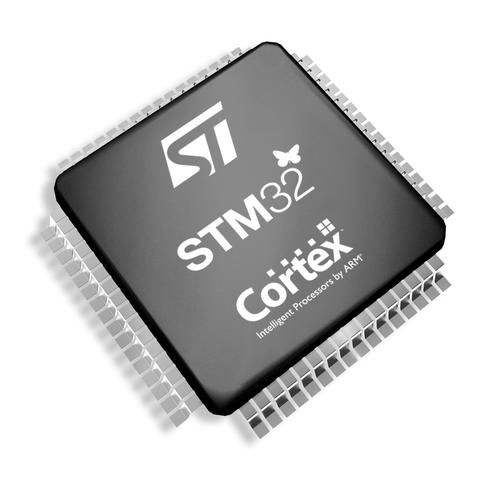
Modern embedded microprocessors reshape the security line through the "hardware code encryption" technique. An electronic vehicle is designed to be representative: its internal integrated hardware encryption engine supports the complete encryption of solids by the aes-256 algorithm. When the system is activated, the encryption engine decrypts bootloader and then decrypts the application code. This chain of trust mechanism ensures that every line of code comes from a credible source. More importantly, the encryption key is stored in an opp (one-time programmable) memory inside the chip, even if the attacker cannot read the chip, and the "key and chip exist"。
The code signature technique provides double assurance of code integrity. When developing portable ultrasound devices, a medical equipment manufacturer introduced a code signature mechanism based on pki (public key infrastructure). When the solidware is updated, the developer will sign the code hash with a private key, and the signature will be validated with a predefined public key when the device starts. In one of the tests, the assailants attempted to tamper with the diagnostic algorithm parameters in the code, but the system immediately triggered a security alert and entered a lock-in, which successfully prevented a potential medical accident because it was not possible to forge a valid signature。
Dynamic security mechanisms are emerging in response to debugging interface attacks. An industrial router has developed a “smart debug lock” system: debugging interfaces are completely disabled while working; when the device enters maintenance mode, the interface is enabled, but all operations are recorded in the security log and digital fingerprints are generated through hmac algorithms. If the assailant attempts to inject the code through the debugging interface, the system immediately detects anomalous operating sequence, automatically erases sensitive data and restarts. This design of “normally closed and time-consuming” finds a perfect balance between safety and maintenance。
Data encryption: making sensitive information invisible
Data leakage is another major threat to embedded systems. The unencrypted storage of user video data by an intelligent home camera manufacturer has led to the release of tens of thousands of private videos into the dark web. The incident sounded a data security alarm — in embedded devices, even seemingly irrelevant data could be a breakthrough for the attackers。
The spread of the hardware encryption accelerator is changing the situation. The microprocessor of an integrated aes/rsa accelerator is used at a network sensor node for automatically encrypting data packages using a key key prior to the transmission of environmental data such as temperature, humidity, etc. More cleverly, key management uses a “several derivative” strategy: the primary key is stored in a security component, and a temporary session key is derived from the hkdf algorithm every time a communication is made, and even if a single communication is intercepted, the aggressor cannot reverse the main key. This design has been measured to increase the security of data transmission 10 times, while the amount of energy consumed has increased by only 5 per cent。
Secure storage technology provides a reliable programme for data sustainability. The design of a car's black box (edr) is forward-looking: its core data storage area is designed to be physically protected from tampering, and when violent dismantling is detected, the storage chip automatically triggers an electrical fuse mechanism to permanently destroy internal data. At the same time, data are written using the “worm” model to ensure that accident data cannot be modified once they are recorded. In a collision test, the system successfully recorded complete vehicle condition data of 0. 5 seconds before the collision, which provided key evidence for incident analysis。
In response to memory attacks, memory encryption is becoming a new line of defence. A military communications equipment, using arm trustzone technology, divides the memory into a safe world and a non-safe world. Sensitive data (such as encryption keys) are always stored in a safe world, and even if the attackers gain control of the non-safe world by spilling over the buffer zone, they cannot access the data of the safe world. More advanced designs have also introduced dynamic memory encryption: the memory encryption key is regenerated every time the system is restarted, and no effective key can be obtained even if the cold-started attack is launched。
Safe start and update: building a chain of trust
Safe start is the “first gate” for embedded system security. The start-up process of a uav flight control system is exemplary: when the system is powered, the signature of bootloader is verified first by the non-modifiable code in the rom, then bootloader is validated for level ii bootloader, and finally the solid application is validated for level ii bootloader. The whole process forms a complete chain of trust, and failure to verify any link leads to system locking. In one of the tests, the attackers tried to replace the application solid, but because it was not possible to forge the second-stage bootloader signature, the system detected anomalies and triggered a self-destruct mechanism during the start-up phase。
The security design of remote solidware upgrades (fota) is equally critical. An intelligent meter manufacturer has developed a quantum safety update: the upgrade package is signed using the post quantum password (pqc) algorithm, and the signature will remain valid even if the future quantum computer breaks through the existing encryption system. In the course of the update, the equipment will first back up the current solids in the safe storage area, then update and validate the new solids in phases. If the update fails, the system will automatically roll back to the backup version to ensure that the device remains operational. Following the implementation of the programme, the success rate of equipment retrofitting increased to 99. 99 per cent and no security incident resulting from the upgrade occurred。
From code encryption to data protection, from safe start-up to remote upgrades, the security mechanism design for embedded microprocessors is moving towards deep defense. These technologies not only safeguard the proper functioning of the equipment, but also protect the privacy and safety of users. In this war without smoke, the developers built an invisible digital great wall with wisdom and innovation for embedded systems. - they stand silent and firm, so that technology truly serves people, not as a source of threat.