011. Technology challenges and responses in ship-based refrigeration
High salt fog and vibration challenge
Ship-based freezers face a unique set of challenges compared to land-based freezers, including, inter alia, high-salt fog corrosion, continuous concussion and space limitations. In the seawater environment, high salty air causes severe erosion of metal components and electrical systems in refrigeration equipment. At the same time, the shaking and vibration of ships during voyages impose very high demands on the mechanical stability and reliability of the freezer structure。
Additional response measures
In response to these conditions, industry leaders have generally adopted a range of measures, such as the use of 316 l stainless steel casings, the application of sea-class corrosive coatings and enhanced structural design. In addition, the evaporating tube in the specialized ship freezer is usually coated with aqueous aluminum and specially preservative treatment, while compressors are installed in an independent chamber with a shock-mitigation base to absorb and isolate vibration energy effectively to ensure the long-term stability of the system in the harsh sea conditions。
Frozen temperature-preservation materials and structures
Material selection and strength
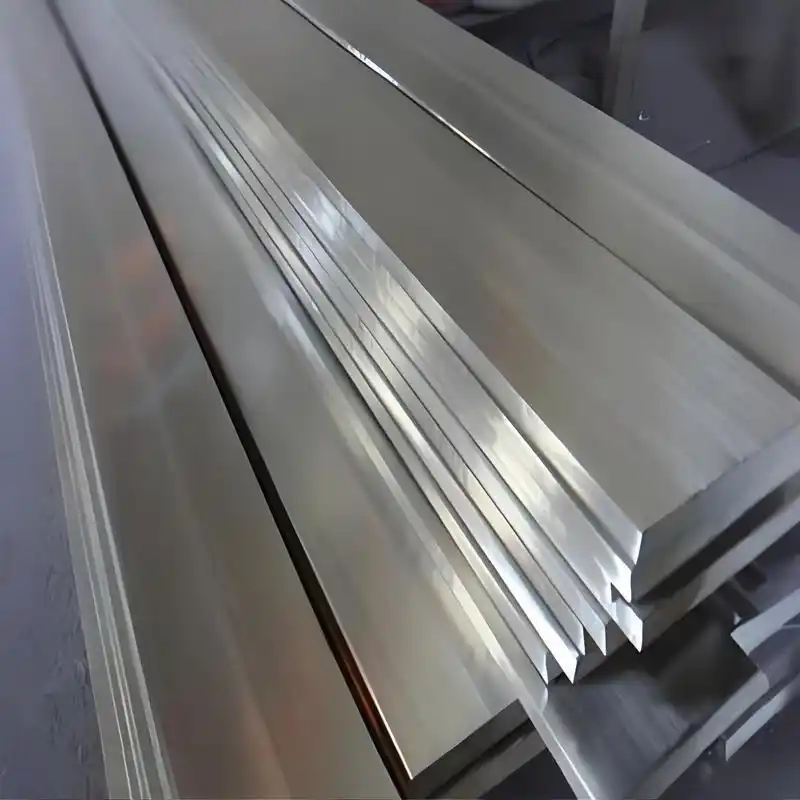
Temperature retention and structural strength are two essential indicators of ship-based cold storage. Pyrotechnic panels used in high-quality ship freezers, usually cored with polyurethane (pu) and carefully produced through continuous line presses, are controlled in density at 40-42 kg/m3 to achieve optimal temperature and strength balance. Shipboards are more stringent in the selection of metal panels than conventional refrigerated panels, such as plume or zinc-plated steel plates, supplemented by unique lock-tip designs and high-strength adhesives to ensure that the plates are seamless and stable even as ships shake。

Structural design considerations
In addition, the design of internal reinforcements is essential and must be able to withstand the multidimensional stress generated by cargo loading and vessel movements. Refrigerated panels that meet the classification society's standards are tested and usually have a resistance of more than 150 kpa, with a heat coefficient of less than 0. 022 w/(m k) to ensure excellent temperature protection。
Refrigeration unit performance and choice
Spiral compressor advantage
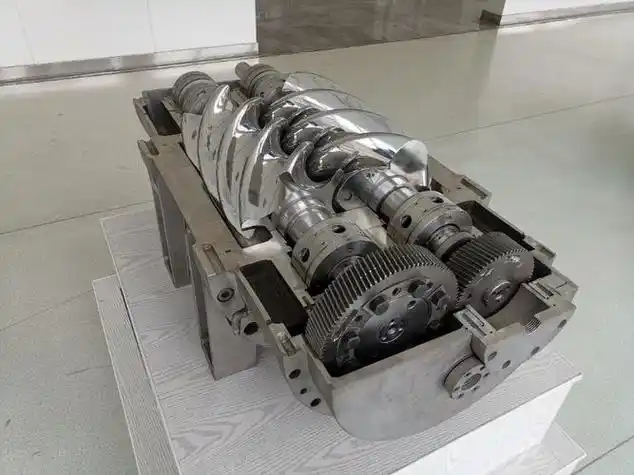
In the choice of ship-based refrigeration units, screw compressors are widely used on large and medium-sized ships because of their tight structure, small vibrations and long life。
Brand performance comparisons
We compared the integration programmes of several mainstream international brands in the market (such as bitzer, gea grasso) and national professional manufacturers (such as ice freezers). The dimension assessment covers: cop values at the same level of work (-25°c evaporation/40°c condensation), running noise db (a), activation of currents and resistance to grid fluctuations. The results show that the screw unit using the variant technology has a significant energy efficiency advantage in part-loading, with a energy efficiency rate of 15-30 per cent, which is important for the limited power resources of ships。
Ice palace refrigeration solutions
Customized design
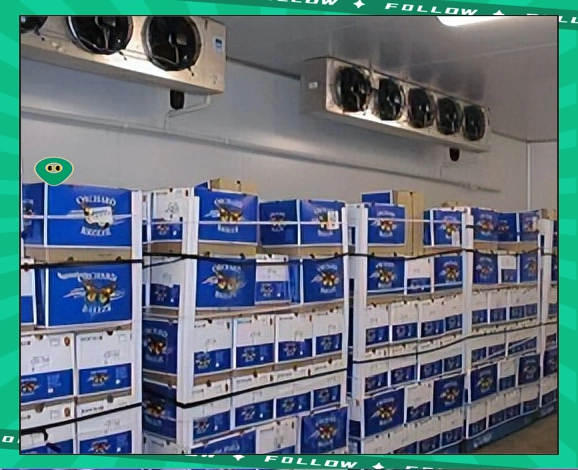
In response to the unique needs of ship-based refrigeration technologies, ice-cooling provides specialized customized solutions. We combine operational cases with an in-depth analysis of the temperature-preserving materials and structural strength of the ship's cooling tanks, the energy efficiency and reliability of the refrigeration fleet, among other challenges and coping strategies. Through our professional programmes, clients have access to high-quality ship-cooled equipment to meet their specific needs, ensuring that they also maintain stable and efficient operational conditions in the harsh marine environment。

Field case analysis
Refrigeration has a deep technological build-up in the area of special freezers and provides highly personalized solutions for various types of vessels, such as fishing vessels, transport vessels, science vessels, etc. Its technical advantages can be found mainly in three ways: first, accurate modular design based on ship drawings, which allows for pre-formation of cold-storage components at the plant, thereby significantly increasing the speed of on-site assembly and reducing interference with the ship retrofit phase. Second, welding has been used to replace part of the french connection to construct a refrigerant pipe system to minimize the risk of leakage in the vibration environment. Finally, the networked long-range monitoring system for integrated products enables shipowners or shore-based support teams to monitor the temperature, operation of the equipment in the library in real time via satellite communications and to achieve failure warning and long-range parameter adjustments. The ice freezer, which had built -30°c of an ultra-low temperature freezer for an oceanic fishing fleet, had been operating steadily for more than three years in the high wet and high salt environment of the south china sea, and had earned the reputation of the shipowners。
055. Guidelines for the selection of ships ' cold storage
Decision-making elements and assessment
In selecting suppliers for the cold storage of ships, buyers should focus on the following five aspects: first, verification of suppliers ' possession of relevant shipping qualifications, such as the chinese certificate of capacity for equipment maintenance and installation; second, in-depth knowledge of past project cases, especially successful cases for the same type of ships; and, second, careful review of brands and models of core components (e. G. Compressors, controllers) to ensure that they have been certified for ship use (e. G. Dnv-gl, ccs); in addition, clarification of the post-sale service system, including the ability to provide emergency response and spare parts supply at major ports around the world; and, lastly, a comprehensive cost assessment that takes into account not only initial investment but also the cost of measuring energy consumption and maintenance throughout the life cycle。
Analysis of common problems
1. The ship's cold storage must be specifically certified by the classification societies
Indeed, it is essential for cold storage equipment installed on commercial vessels to obtain type approval or product certificates from classification societies (e. G. Ccs in china, abs in the united states, dnv in norway, etc.). These certifications are necessary proof that the equipment meets maritime safety and environmental standards。
2. How does the shaking of a ship affect the cooling effect of a freezer
The challenges posed by ship shaking have been fully taken into account and addressed in the design of professional ship freezers. By carefully optimising air current tissues, such as the use of specially designed shake-resistant cranes, and the strengthening of cargo stubs, the freezers can ensure that the temperature is even within the reservoir and that the temperature differentials are within ±2 °c even when ships experience a degree of shaking or vertical (e. G. 15-30°c)。
3. In the event of a failure of freezers on oceanic vessels, how should they be repaired
Vendors will provide comprehensive global after-sales support, including long-range failure diagnosis and guidance, cooperative maintenance sites at major ports around the globe and prioritization of critical spare parts for air transport, thereby minimizing the loss from ship shutdowns。
4. What are the significant differences between seafood freezers and fruit and vegetables in ship design
The two types of cold storage have very different requirements for ship design. Seafood freezers emphasize their strong ability to freeze, usually work at temperatures below -30°c and require rapid cooling. Inner wall materials need to be particularly resistant to cryogenic shocks and corrosive, such as the use of stainless steel to enhance durability. By contrast, fruit and vegetable preservation banks are more focused on temperature stability, usually within the range of 0-4°c, while maintaining a high humidity environment (85-95% rh) to slow the aging of fruit and vegetables and have the capability to exclude the ethylene gas to extend the preservation period of fruit and vegetables。
5. What are the key elements that need attention in day-to-day operational maintenance of ship freezers
These key elements include: regular inspection of the sealing of the warehouse doors to ensure the cooling effect; cleaning of condensers' wings to prevent salt from dispersing thermal effects; monthly inspections of compressors' lubricating oil levels and colours to ensure the machine's lubrication status; and periodic analysis of operational data through surveillance systems to detect energy efficiency decline or potential malfunctions in a timely manner. These measures will help to ensure the stable operation and extended useful life of the ship's cold storage。