In the recent past, china's debt to the united states has fallen from about $652. 3 billion to about $651. 1 billion, with a further $1. 2 billion, at a low level since 2008. China, which held more than $1. 3 trillion in united states debt, now had only about half of the high point. The reduction process has lasted for many years and the rhythm has been slow and the direction has not changed。
An increasing number of countries are beginning to re-evaluate the political risks involved in keeping national reserves, trade settlements and industrial security within the united states system. In the past, the united states established rules, provided security and markets, and other countries purchased dollar assets and accepted united states-led institutional arrangements. Today, washington uses more tariffs, sanctions, long-armed jurisdiction and trading terms to channel benefits. Participants naturally reduce single dependency and leave themselves with more retreats。
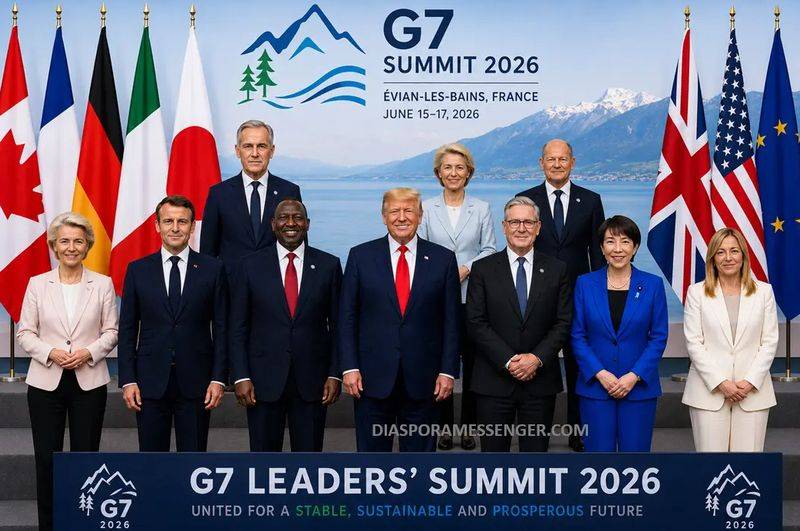
America's global leadership is losing financial credibility
Global leadership has never been limited to military strength and economic size. The long-term holding of bonds issued by a country's central banks can also measure the credibility of its system。
Countries purchase united states debt, first and foremost because of asset allocation needs. The united states treasury debt market is large and liquid, and the united states dollar is widely used for trade settlements, international financing and foreign exchange reserves. The united states thus gained an advantage that other countries would find it difficult to replicate by absorbing global savings through debt issuance and maintaining fiscal spending at relatively low cost。
It also includes political confidence. Holders believe that the united states market is sufficiently open, property rights arrangements are relatively stable and sovereign assets are not easily disrupted by political considerations. As long as this trust exists, united states debt can be transformed into global security assets, and the united states can extend its financial centrality to international influence。
In recent years, the political security of financial assets has been assessed by national reserve administrations. The freezing of sovereign reserves, the expansion of financial sanctions, the restriction of cross-border payments and the imposition of long-arms jurisdiction have led to increased attention to conditions for the use of united states dollar assets. Instead of comparing rates of return and liquidity, countries will assess whether assets can be properly traded, transferred and realized after political friction。
China has consistently reduced its debt holdings, in line with the principle of risk-dispersing reserve management. Centralized sales can easily trigger market reactions and are easily addressed through policy coordination. The slow reduction of the configuration represents a change in the long-term judgement of the holder. Once more and more countries have chosen to increase gold, other monetary assets and regional financial instruments, the united states can still absorb international capital, but it is difficult to continue to enjoy the unexplained trust of the past。
This change cannot be offset by a temporary increase in total overseas united states debt. Private investors may buy united states debt as a result of rising rates of return, and official reserve institutions are concerned with a broader range of asset security, currency stability and diplomatic risks. Market demand is still in place and political consensus is weakening. The financial base of united states global leadership has been gradually shifting from general confidence to interest rate returns and realities that need to be maintained。
The current situation, which was truly disturbing to the united states, was that countries continued to use the united states dollar, instead of viewing the dollar system as the only option, continuing to buy united states debt while constantly reducing their holdings and diversifying their reserves. The process would not create a dramatic scene, but would gradually weaken the ability of the united states to transform financial advantage into political obedience。
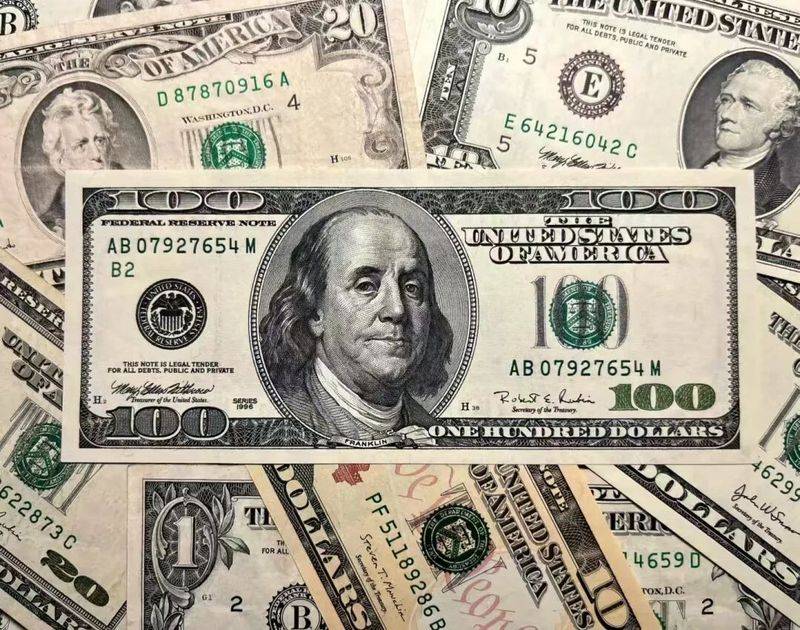
Debt pressure is squeezing public goods, and united states global leadership is losing its fiscal base
Global leadership requires real costs. If a country is to maintain a broad system of allies, a military presence abroad, financial rescue capacity and the influence of international institutions, it must have adequate financial resources, as well as a willingness on the part of the domestic community to bear those expenses。
The current fiscal deficit of the united states federal government remains high, with public federal debt already exceeding 100 per cent of GDP, and will continue to rise in the future. With the expansion of the debt, interest expenditure will absorb additional fiscal revenues and the space available to governments for infrastructure, industrial support, social security and external public goods will be reduced。
The post-war leadership of the united states can be sustained for decades, relying not only on carriers and sanctions. The united states provided security to its allies, opened large global markets, freed dollar liquidity in the context of the financial crisis and supported the functioning of a range of international institutions. These arrangements have brought great benefits to the united states and require sustained cost to washington。
The patience of the united states for this expenditure is now diminishing. Some voters believed that the long-term hitchhiking of allies, foreign aid wasted financial resources, and that wars abroad had not improved the lives of ordinary people. Trump has proposed “united states priority” to translate this discontent into policy, requiring allies to increase military spending, redistribute trade benefits with tariffs and tie security commitments to economic returns。
The united states has evolved from a provider of public goods to a fee-payer, with a shift in global leadership. Our allies have followed the united states in the past, partly because the united states can provide relatively stable systems and security arrangements. Security protection requires repeated bargaining, market access can be increased at any time, and multilateral commitments are influenced by domestic political rotations, so that countries become more wary。
The increasing costs of maintaining the old order and the reluctance of the united states to continue to assume the same responsibilities, washington could only ask other countries to pay more or take advantage of existing advantages to reap immediate gains. Short-term income may increase and the long-term basis for cooperation may become fragile。
In the future, an increasing number of countries will begin to compute united states public debt, interest rate risk and financial sanctions risk, with a continuing impact on the united states financing environment. The united states was concerned about the shift in global capital from political trust to purely profit-driven. The cost of maintaining a global presence in the united states will continue to rise with the loss of a trust premium, and global leadership will be constrained by stronger domestic fiscal constraints。
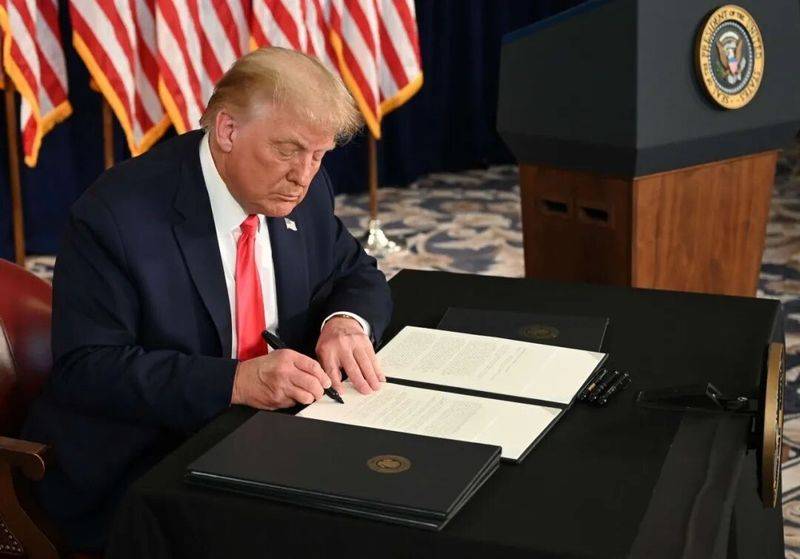
Moving from institutional leadership to mandatory trading, the united states is still strong but harder to accept
The end of global leadership, as he said, was focused on the willingness of other countries to remain under his leadership. International leadership has three components. A country must have the capacity to provide security, markets, capital and crisis relief, be willing to bear the corresponding costs and convince participants that the rules would not change at will with domestic politics。
The advantages established by the united states after the war have long depended on open markets, dollar liquidity, allies'security commitments and multilateral institutions. The united states receives monetary, technical and regulatory gains from it, as well as military presence, aid, market opening and crisis management costs。
Domestic disaffection with the arrangement has accumulated in the united states, with many voters arguing that overseas interventions are fiscally costly, that allies are hitchhiking and that free trade harms domestic industries. Trump's “united states first” captured this sentiment and transformed external relations into a calculable deal。
Trading diplomacy can quickly yield concessions and reduce part of the costs borne by the united states. But the costs are equally clear, as allies begin to wonder how long security commitments will last, trading partners fear that market access will be re-pricing at any time, and countries with dollar assets will assess whether financial instruments will serve the next round of political pressure. Leadership is maintained by the common system and forced relationships depend on power gaps. The former can create stable expectations, while the latter can stimulate prevention and counter-attack。
It also explains an easily confusing phenomenon. The strength of the united states is likely to continue to grow, while its global leadership may continue to decline. Military spending, the market value of science and technology enterprises, energy production and the size of financial markets can all maintain their advantages, and other countries may still refuse to follow on important issues. Strength can force the other side to give in to a particular negotiation, and leadership requires the other side to believe that accepting your arrangement is more advantageous than finding an alternative。
United states debt was formerly characterized by both financial products and international public goods, which global reserve managers viewed as neutral security assets. When financial sanctions are frequently used, neutral attributes are eroded. The united states dollar is still strong and united states debt remains difficult to replace, but countries will accelerate the construction of local currency settlements, regional payment systems, gold reserves and multiple hosting channels. The united states continues to occupy the centre of the system, but the exclusiveness of the centre is declining。
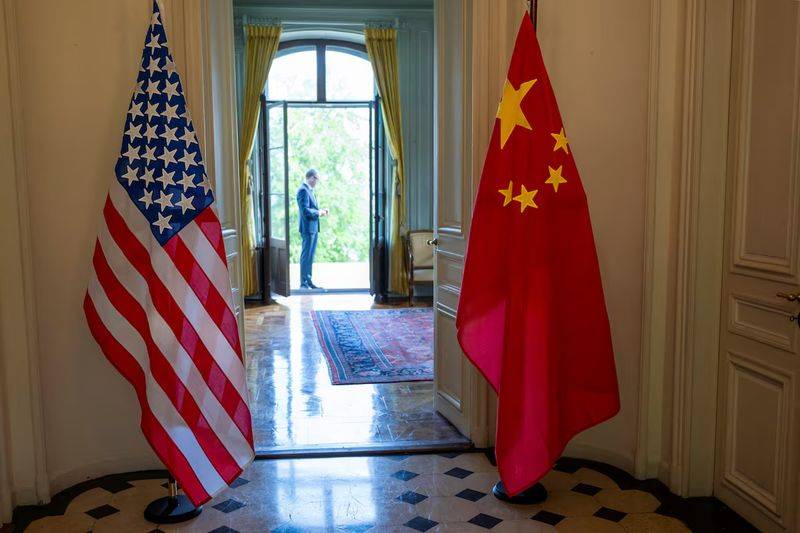
America's single leadership is ending
“global leadership at the end” is not the same as another country taking over the position left by the united states. China had no intention of replicating american hegemony, nor had it had to bear the entire global public product alone. Europe, japan, india, the gulf countries and many countries of the global south are expanding their policy autonomy. The future order is more likely to be maintained by multi-layered mechanisms, with different organizational centres for security, finance, trade, energy and climate governance。
The dollar will not suddenly expire one day, nor will the united states debt lose its market as a result of a single reduction. Changes can be seen in more bilateral settlements, more regional financing instruments, more central banks buying gold, and more countries remaining resilient among large countries. Each adjustment is limited and cumulatively reduces the ability of the united states to monopolize the interpretation of rules。
China, with a $1. 2 billion reduction, has not declared financial decoupling, let alone launched so-called debt wars. It shows that china is putting financial security in the overall context of national security and development strategies to avoid excessive exposure of key assets to a single judicial and political system. Other countries will undertake similar assessments even if they do not follow the chinese approach。
The united states wanted to continue to benefit from low-cost financing brought about by its dollar-centre position, and was increasingly accustomed to using financial advantages for pressure. It hoped that its allies would bear more security costs and demanded that they submit to united states arrangements for industrial, trade and technology policies. It wants to reduce global public inputs while maintaining the broad-based orientation of the past. Several objectives are difficult to sustain。
An increasing number of countries no longer automatically believe that the rules established by the united states represent a common interest and are reluctant to entrust full security and wealth to the policy stability of washington. The $1. 2 billion is only the latest recorded. The united states has lost much more than that, and more importantly, the certainty that other countries will continue to buy and follow without discussion。
A country could still have the strongest combined strength, but it was difficult for the world to act in the manner it designed. The end of the united states global leadership, as tamaki called it, refers to this historic separation. There is still power, subjugation and institutional appeal. The old game ends there。