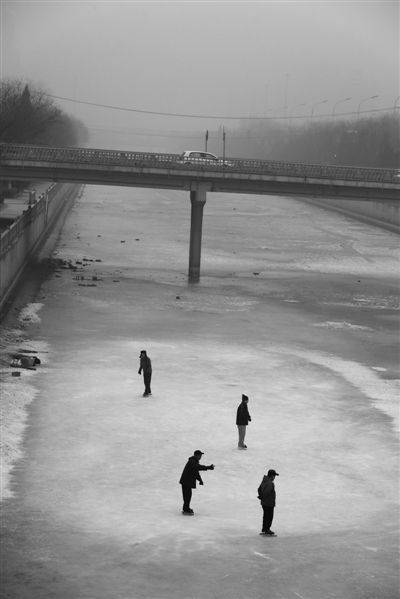
From a meteorological point of view, autumn and winter are seasons of fog and haze. Analysis by the national climate centre indicates that specific seasonal weather conditions are an important cause of the recent increase in fog and haze weather。
Fog: autumn and winter festivals, breezes, near-ground water vapours are relatively abundant and less mobile and stable in the atmosphere, which allows for more weather days for fog formation than for other seasons. During the autumn and winter holidays, because of long nights and the presence of fewer windless winds, the ground heat spreads more rapidly than in the summer, leading to a sharp drop in the temperature of the ground, thus making water vapours in near-ground air easy to saturate and condensate in the late night to the morning to form fog. Autumn winter festivals have resulted in a higher number of counter-temperature days at night and in the morning than in other seasons due to cold air activity and radiation cooling。
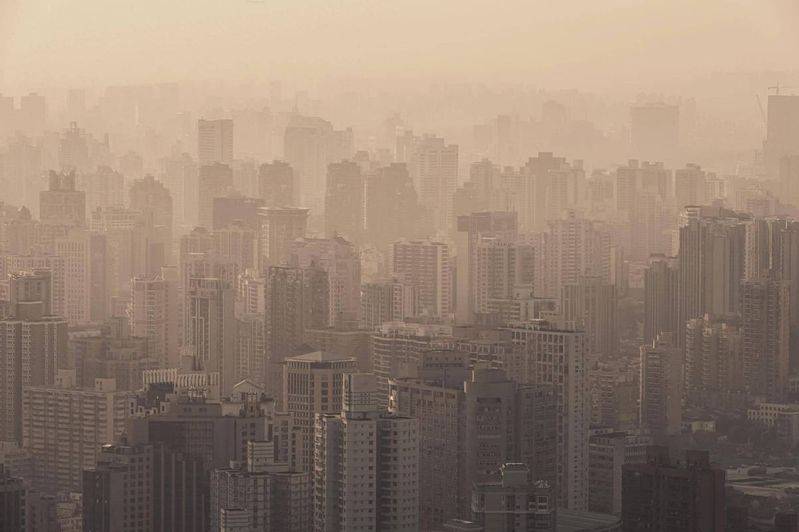
Smog: in most parts of the country there is a marked seasonal shift in haze, which is characterized by more winters, fewer summers and mid-falls. The weather conditions in which the haze occurs are characterized by stable and dry air herds, with more than a few days of meeting such conditions in autumn and winter, combined with heavy dust and heavy heating of coal in some places. In most of the country, the summer season is characterized by heavy rainfall, which is more abundant than in other seasons, and which squeezes pollutants such as dust in the air and discourages the formation of haze weather。
The summary is as follows:
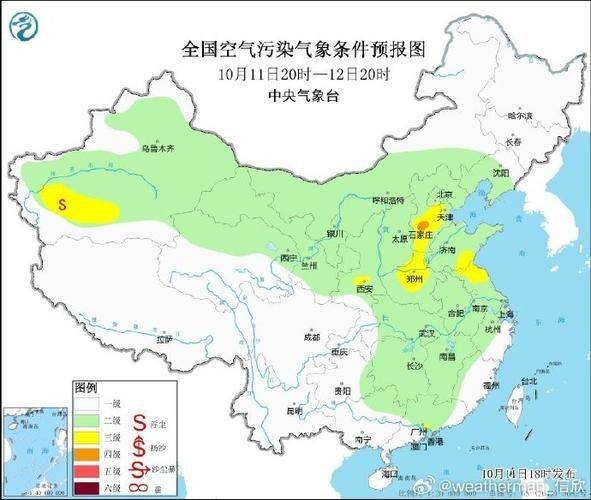
Poor air mobility in the near-earth layer is an important cause of fog and haze formation. During the summer, there was a high level of cross-flow activity and air mobility, which was detrimental to the formation of fog and haze. In the autumn and winter, near-surface air is less mobile, facilitating fog and haze formation. On the one hand, wind is detrimental to the stability of near-terrestrial air formation, and on the other hand, wind is conducive to the dispersion of fog and haze. Since 1961, the average wind speed in the centre-eastern part of the country has shown a marked downward trend, most notably in spring and winter, followed by autumn. This is an important background for the increase in the mist and haze weather in our country in the autumn and winter in recent years。
Autumn winter is a season of intense cold air activity, which is not conducive to the emergence of fog and haze. The reduction in cold air processes during autumn and winter seasons in recent years has also been an important cause of the frequency of fog and haze in our country in recent years. Since 1961, cold air processes have tended to decrease in winter and autumn。
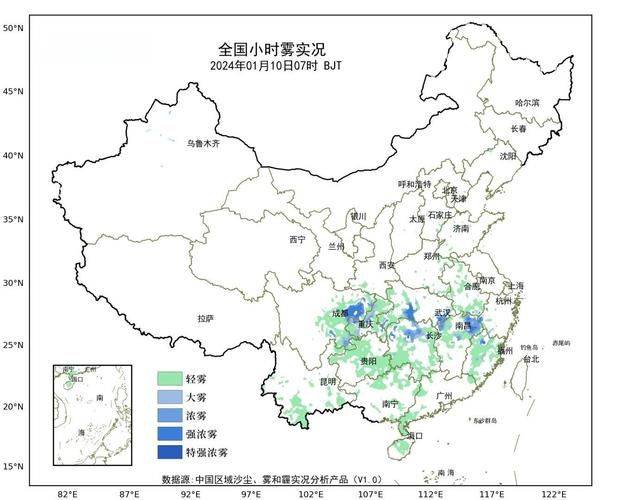
Rain and snow removes and washes the fog and haze in the atmosphere. The presence of fog and haze is adversely affected by the weather of heavy precipitation in the summer, while the presence of fog and haze is facilitated by the small number of precipitation days in the autumn and winter. Statistics show a decreasing trend in the number of precipitation days in autumn and winter since 1961。
The weather conditions at the time of the haze were characterized by stable and dry air masses, with more than a few days of meeting such conditions in autumn and winter. The analysis found low humidity in autumn and winter and a marked downward trend in autumn for more than 50 years, with signs of increasing drierness during autumn and winter, which contributed to increased haze and reduced fog。