What's active carbon adsorption catalytic combustion
Environmental regulations have continued to tighten, demand for low-intensity organic waste management in such industries as paint, printing and hardware processing has surged, and activated carbon adsorption catalytic combustion equipment has become a market mainstream programme with the advantage of energy efficiency and suitability, and today it has led to its total dismantling。
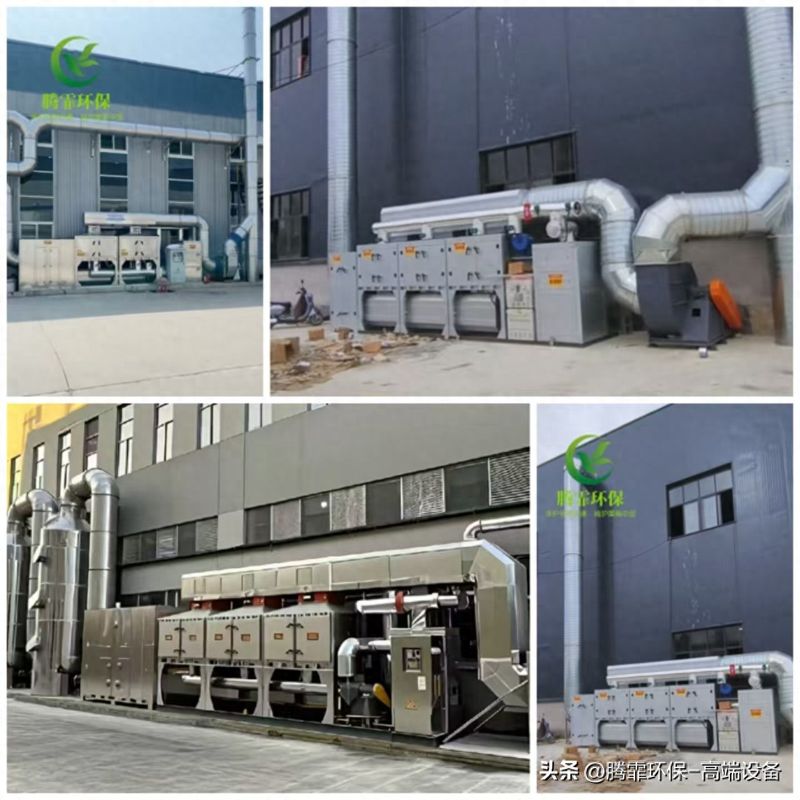
It is an integrated vocs governance device that combines activated carbon physical adsorption with low temperature catalytic combustion, forming a closed loop process of adsorption-desorption-catalytic decomposition. The first phase of adsorption: paint fog, organic waste gas pre-treated by dry filtering, entering activated carbon adsorption tanks, capture of vocs molecules with activated carbon abundance micro-holes, direct discharge of clean gases; activated carbon saturation into decomposition, use of residual heat of equipment to produce armal flow backscatter, release of organic pollutants and formation of high concentrations of small wind discharges; final enriched waste gas entering a catalytic furnace, 250-350°c low temperature decomposition of carbon dioxide and water, disassembled heat cycles used for desorption, significantly reducing heating energy consumption and renewable use of activated carbon。
The advantages of this equipment are obvious: integrated purification can be more than 95 per cent efficient and can easily meet local extremely low emission requirements; operating energy consumption is reduced by more than half compared to direct high temperature incineration, and small and medium-sized enterprises can adapt to intermittent production; automated plc control systems can be fully automated, with blast-proof designs such as firearms, ultra-temperature depressors, operation safety fully filled and widely used in furniture spray paints, packaging printing, electronic manufacturing, mini-chemicals, glue production etc。
A number of enterprises have stepped on pits by directly purchasing generic machine types and omitting pre-filtering, leading to the elimination of activated carbon fast paste bags and catalyst poisoning. The deep-farming industry, which is based on a free-of-charge survey of wind, waste gas composition and temperature and humidity, has a pre-positioned dry dust removal module that selects high-quality anti-toxic catalysts and beehive activated carbon, with the process saving the price to intermediaries。
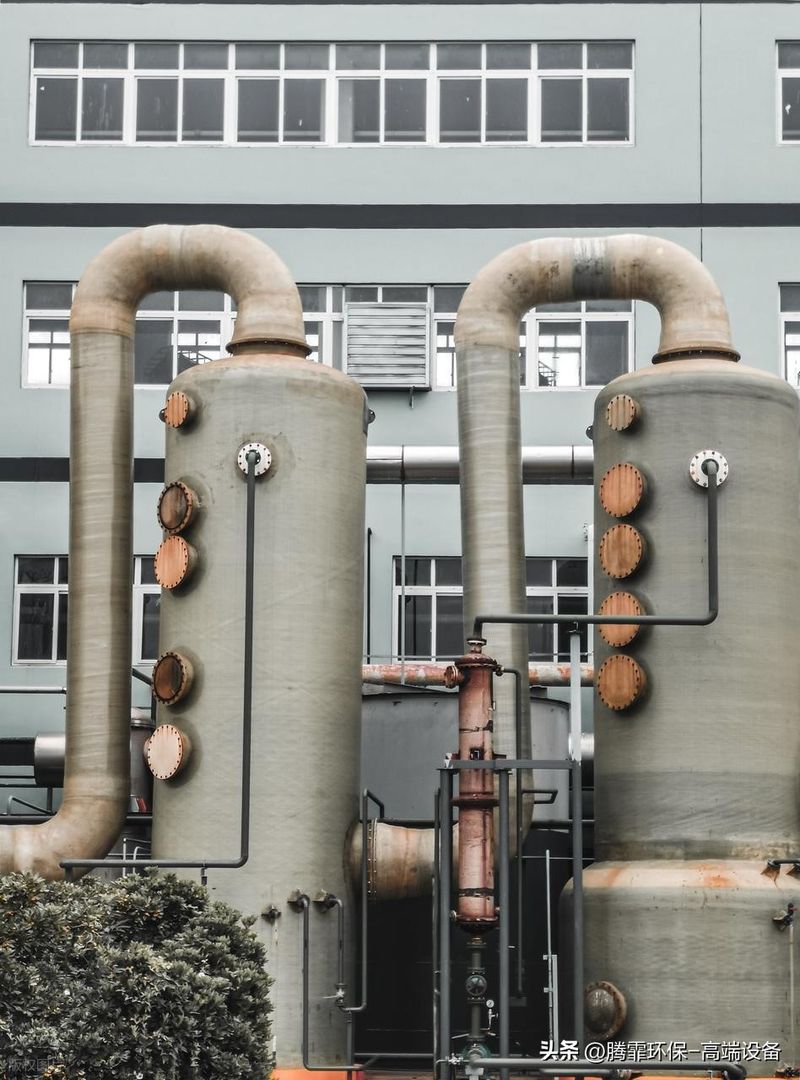
A well-qualified manufacturer can assist in the follow-up of the eea process, the installation of a nationwide commission, a 24-hour localization response, transparent standards for the pricing of consumables, from programme design to long-term one-stop delivery, and help small and medium-sized enterprises to stabilize the environmental red line and achieve long-term efficiency gains。