Reverse transCription polymerase challenge, known as rt-pcr, is an important molecular biology technique that combines principles of reversal and polymeric chain reaction and can be used to synthesize and expand the corresponding dna from rna samples. This paper presents the rationale of rt-pcr and its broad application in scientific research and medical diagnosis。
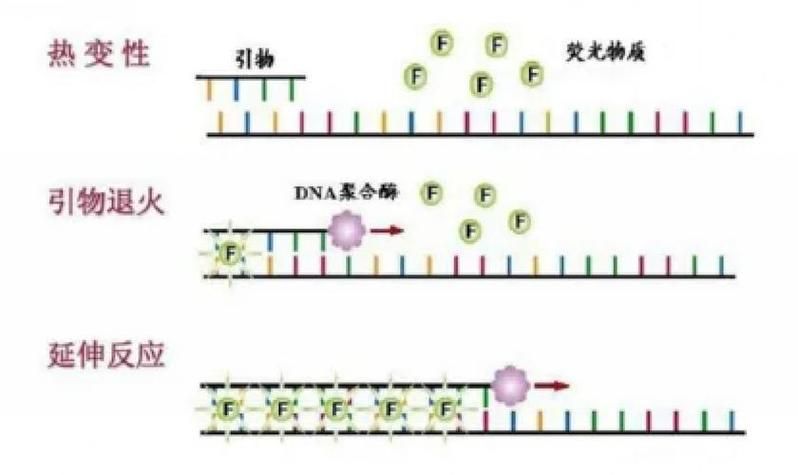
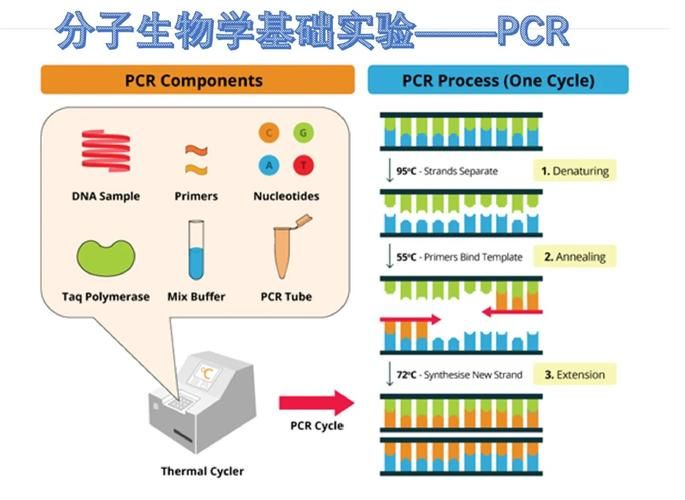
The rationale of rt-pcr is based on two key steps of reversible and polymeric chain reaction. First, reverse transThe rna template is transcribed into the corresponding complementary dna (cdna). Then, in the pcr, c-dna is multiplied repeatedly by a series of cycle heating and cooling conditions, resulting in a large number of dna replicas, through dna-synthesis and reference (primers)。
Genetic expression analysis: through rt-pcr, rna can be transcribed into cdna, and interested genes can be amplified using polymeric chain reaction. This enables researchers to study the expression levels and regulatory mechanisms of genes and to reveal their functional and regulatory networks in the biological process。
Disease research: rt-pcr is widely used in disease diagnosis and research. By testing the rna/dna of specific genes or pathogens in patients, it is possible to determine the pathogen type of infectious disease, the early diagnosis of the disease and the prognosis of the disease。
Oncological studies: rt-pcr can be used to detect and quantify the level of expression of tumour markers, thus contributing to early tumour diagnosis, molecular sub-classification of tumours and pre-post evaluation。
Virus testing: rt-pcr is one of the commonly used methods of viral testing. For example, during the epidemic, the detection of the virus's rna/dna allows for rapid diagnosis and identification of the infected and the corresponding control measures。
Diagnosis of genetic diseases: through rt-pcr, genetic mutations associated with genetic diseases can be detected and analysed, helping to determine the genetic characteristics of patients and providing genetic counselling and prevention。
Detection of gene mutations: rt-pcr combines sequencing techniques to detect and identify mutations in genes, such as tumors inhibiting mutations in genes or pathogenic genes, and helps to understand mechanisms for the occurrence of genetic diseases and the susceptibility of individuals。
Rt-pcr plays an important role in scientific research and medical diagnosis as an efficient, sensitive and specialized molecular biology technology. The uniqueness and flexibility of its rationale enable it to be applied in various fields, such as genetic expression research, disease diagnosis and genetic disease analysis. As technology continues to develop and improve, the prospects for rt-pcr applications in the field of scientific research and medicine will be wider, providing strong support for our deeper understanding of the mystery of life and for improving human health。
The german mb brand pcr-clean, which efficiently removes nucleic acid and enzyme contamination from pcr, rt-pcr experiments. In pcr laboratories, dna contamination is difficult to completely remove. Even if only one contaminated dna molecule is detected, it can cause errors throughout the pcr detection process. To ensure that pcr test data are accurate and to prevent cross-contamination of dna or rna, dna/rna decontamination agents are frequently available at pcr laboratories。
Characteristics:
1. Effective degradation of most surface amplifications (except light or non-ferrous metals), particles or genome dna and rna. The product also effectively removes dna and rna enzymes。
Direct use。
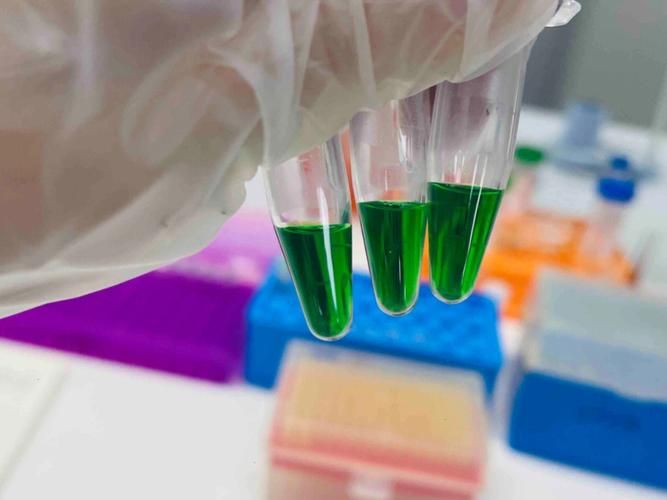
3. Protect experimenters from exposure to dna contamination。
4. Non-alkalin, non-carcinogenic and safe。