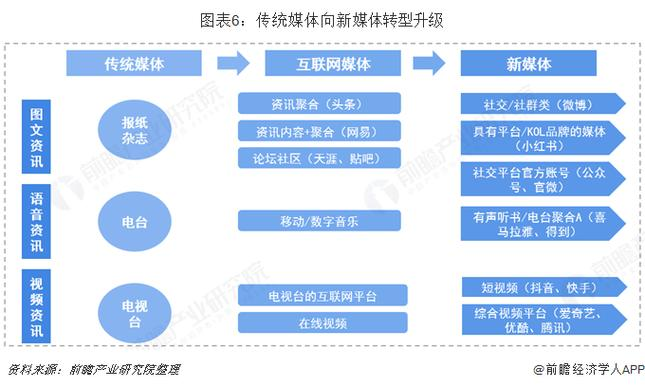
Today, information technology is rapidly developing, and new media have infiltrated all corners of social life. As an important vehicle for the dissemination of information, the new media platform is characterized by instantaneous, interactive and multimedia integration, with content in the form of social media tweets, short video scripts, online game texts and digital advertising programmes. This ecological character determines the process of reshaping the translation of new media, not only as a translation of language symbols, but also as a result of cultural discourse and communication effects。
New media translations present a distinct professional identity from traditional translations. First, it emphasizes language adaptation. As the content of new media is often closely tied to the functions of a particular platform, the translation process needs to take full account of the character limits, modes of interaction and user habits of the platform. For example, the translation of twitter needs to balance the expression efficiency of 140 characters, while the translation of short video subtitles needs to match the video rhythm. Second, new media translations focus on cultural shifts. The localization of internet popularities, geographical expressions and cultural barriers requires not only linguistic knowledge but also a keen cultural insight on the part of translators. Moreover, this translation has a multi-modular character. Translators need to synchronize the processing of different symbol systems, such as text, images and audio, to ensure consistency of elements in the target context. Finally, real-time requirements are high. The rapid spread of hotspot events often requires simultaneous updates of multilingual versions in very short periods of time。
New media translation plays an indispensable role in the global information dissemination system. Knowledge-sharing, ranging from the indigenousization of international brand names to digital marketing by multinational enterprises, from the introduction of products from cross-border e-commerce to online educational platforms, needs to be supported by professional new media translations. In the area of public affairs, the overseas social media accounts of government agencies communicate policy messages to the international community through accurate translations; at the cultural communication level, subtitle translation of video works and local adaptation of online literature have become important channels for intercultural dialogue. Especially in sudden-onset incidents, the dissemination of new multilingual media messages is a key element in building international consensus。
A case in point is the advocacy project of an international environmental organization. The organization produced a series of short videos on ocean protection, which are planned to be launched simultaneously on social platforms in several countries. The original video is a narrative in english and contains environmental terms and humor from a wide range of western cultural backgrounds. In the process of localization, the translation team adapted the narrative structure to asian markets to transform abstract environmental data into an image of a living scene while retaining the core concept of environmental protection. In the japanese version, the interpreter uses the form of animated expression; in the spanish version, the call for collective action, which is common in latin american communities, is incorporated. This in-depth localization of the processing has resulted in a significant dissemination of videos on national platforms, fully reflecting the creative value of new media translations in cross-cultural communication。