


In its elegant, light gestures, the bamboo has become the green heart of many of the flower friends. And on the stem of its thin branch, the leaves spread softly as feathers, adding a unique fragrance to the home environment. However, cutting is an indispensable lesson in order to preserve the beauty of the masonry. With the right cutting methods, we'll be able to grow the green clouds
I. Why did you trim the bamboo
(i) numerical models
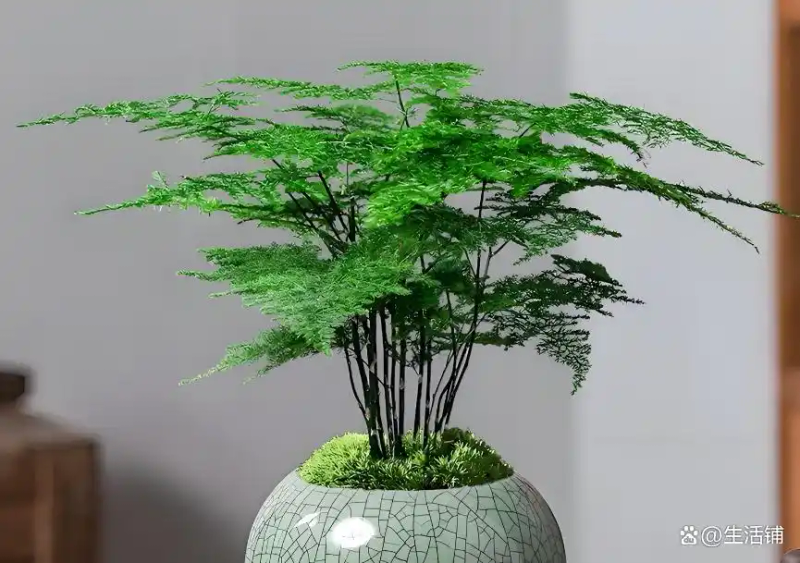
When the bamboo grows naturally, the branches may spread in an unbridled manner, resulting in loose and unbecoming stocks. By cutting, ideal shapes, such as common towers, double-crowding, natural forms, etc., can be constructed according to the preferences of the individual. In the case of towers, for example, two to three high and high-strength stem were chosen as the main peak, and the growth point on the stem was removed, the control strain was 30 to 35 centimetres high, and the rest of the stem and the new stem were not above the main peak, thus giving the bamboo a stratification and misperceptive beauty that greatly enhanced its value。
(ii) promoting new growth
The mackerel has a top advantage and if it is allowed to grow with its top branches, it inhibits the growth of the sprouts. The top advantage is broken by cutting off the top branches, which are distributed more to the side buds, stimulating the side buds, prompting the emergence of new branches and making the plant more full. For example, when the new branch of the bamboo is grown to a certain height, it is dealt with on top, and it will soon be discovered that many new sproutings emerge。
(iii) maintenance of plant health
In the process of growing up, it is inevitable that some yellow, infirm leaves will emerge. These branches not only affect the overall beauty, but also consume nutrients and may even become hotbeds for disease breeding, threatening other healthy branches. The timely cutting off of these bad branches will reduce nutrient consumption, improve ventilation within the plant, prevent the spread of pests and diseases and keep the bamboo healthy。
Ii. When is the right time to trim the bamboo
(i) growing season trimmed
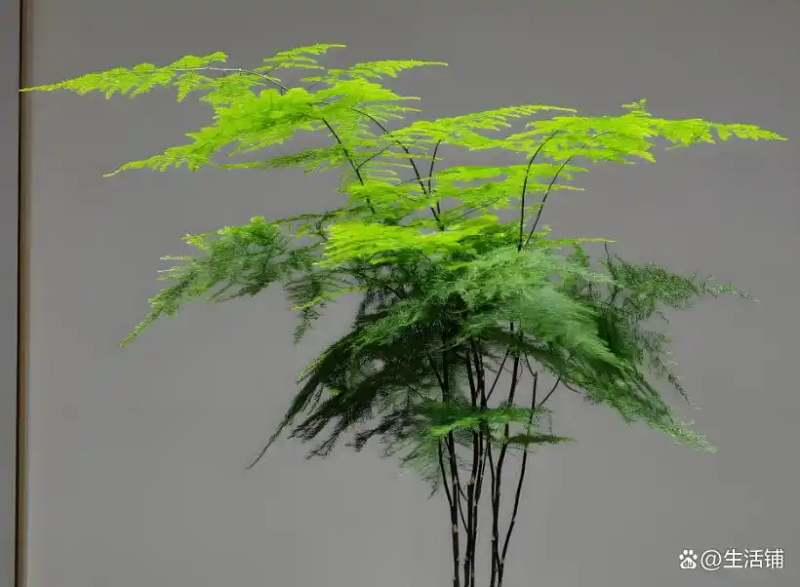
The spring and fall season is a booming season for bamboo, when the plant is dynamic, metabolism is fast and post-cut and resilient. These two seasons of trimping can quickly stimulate the emergence of new branches and allow for a more rapid display of full gestures. As the spring temperature rises and stabilizes, the mackerel begins to grow in large numbers, so that the long and dense branches can be trimmed to guide the plant towards the desired strain。
(ii) avoiding special periods
1 winter hibernation: low winter temperatures and slow growth of bamboo into hibernation. Cuts at this time make it difficult to heal the wound of the plant and may cause freezing of the plant due to the effects of cold temperatures, which may be serious or even life-threatening, so do not try to trim the bamboo during the winter。
2. High summer temperature: during the summer, the growth rate of bamboo will also slow and the disease will be active in high temperatures. Cutting wounds are susceptible to infection and increase the risk of plant-planting, and therefore high temperature periods should be avoided unless serious pests or growth problems are urgently addressed。
3 flowers: in the period september-october, the mackerel blooms, which may affect the opening and pollination of flowers, leading to a non-normal outcome. If it is not necessary to adjust the strain, it is recommended that the cut be done after the end of the flowering period。
Iii. Detailed methods of trimping bamboo
(i) tool preparation
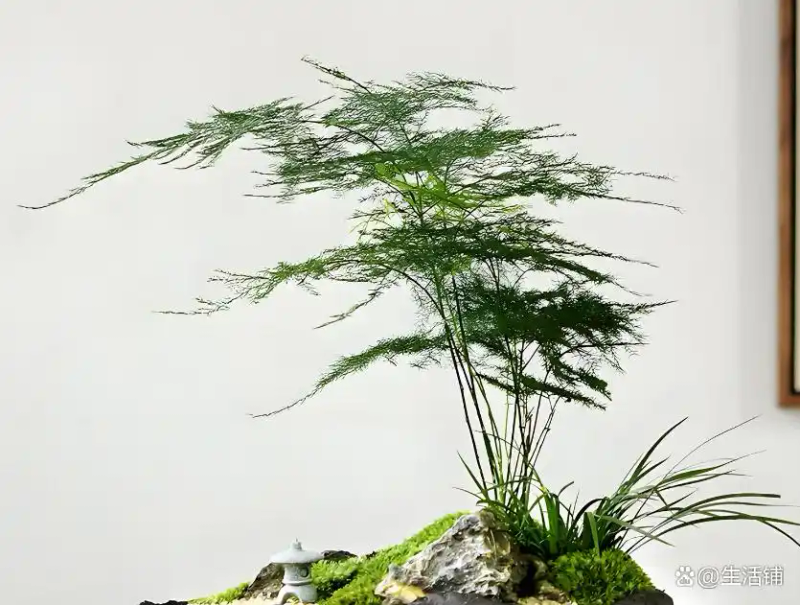
Prepare a sharp, clean horticultural scissors or a cutter. Sharp instruments can smooth the mouth and reduce the damage to branches; clean tools can prevent strains from being infected through wounds. Prior to use, it would be preferable to wipe scissors with alcoholic cotton balls and disinfect them。
(ii) cuts at different stages of growth
1. Penetration:
When the green branch of the sapling grows to a certain height, such as 10-15 centimetres, it is possible to top it. Cut off the top growth point, which can break the top advantage of the seedlings, encourage the planting of small plants, promote the growth of side branches, and allow the seedlings to grow from the very beginning towards a full stock。
2. Long-term trim
- the short cutters are long-lived; they are short-cut if they grow too fast and too high, far beyond the size of the whole strain. Retain the right length, such as cutting out the long branches by one third-1/2 and stimulating the sprouts to make the plant more abundant. It can also be removed directly from the base if the long branches seriously affect the whole shape。
- scrutinizing the branches: careful observation of the plants, cutting out the cross-cutting and overlapping branches from the inside and retaining the strong branches. This increases ventilation within the plant, allows each branch to fully accept light and air, avoids the growth of parts of the branch due to over-intensity, and prevents pests and diseases。
- dealing with uneven growth: due to factors such as conservation of the environment, some of the branches may be uneven. At this point, the direction of the flower basin can be rotated in due course and the lightness of the bamboo can be used to allow the slower-growing parts to receive adequate light and to adjust their shapes slowly. If the difference is greater, the fast-growing branches can also be shrunk appropriately to keep them in line with other branches。
3. Ageing:
In the case of old bamboo, which has been growing for more than three to four years, there may be cases of wrinkled branches, thin leaves and chicken branches. At this point, it is possible to trim the old, dead branches from the base and keep the relatively strong ones. Most of the branches can be cut short as 10-15 cm if the plant is to be retrofitted. While the post-crop will appear bald in the short term, it will soon be possible to produce new branches, provided that they are properly preserved。
(iii) special case trim
1. Yellow leaves, dead branch trims: once yellow, dry branch leaves are found, they are cut from the base in time. If the tubing is also yellowened and softened, it will have to be cut off with the trachea to prevent the infection. After trimmed, check whether conservation of the environment, such as light, water and fertilization, is appropriate and adjust in a timely manner to avoid the re-emergence of yellow leaves and dead branches。
2. Pest and pest branches are trimmed: when a bamboo is infected with aphids, shellworms or foliage, anthrax, etc., the infected branch is quickly removed from the base and the cut branch is removed from the room, destroyed centrally, and the pest spread is prevented. At the same time, appropriate medicines should be selected for treatment according to the type of disease or pest。
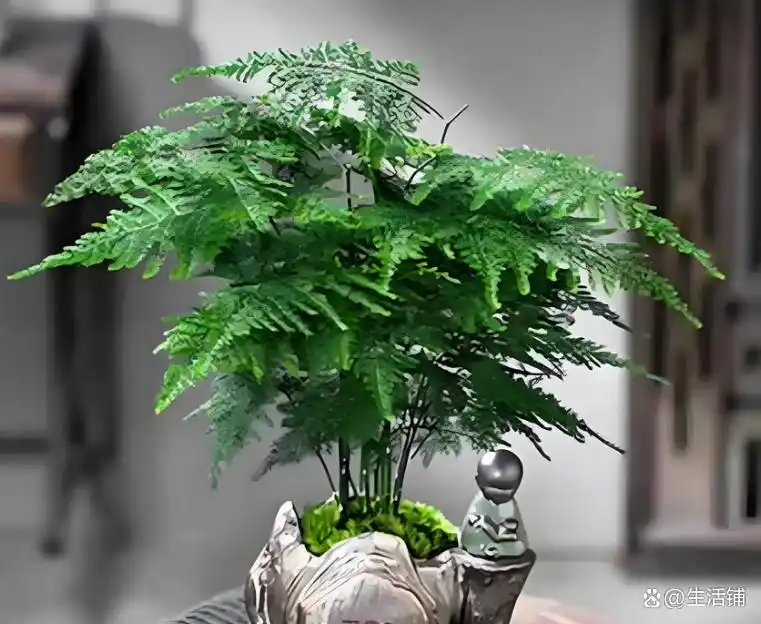
The mastery of the mackerel techniques and conservation methods is tantamount to the mastery of the tricks that keep the bamboo branches growing and growing. Flower friends may want to pick up scissors and trim their own mackerel and watch it become more and more full of itself。



