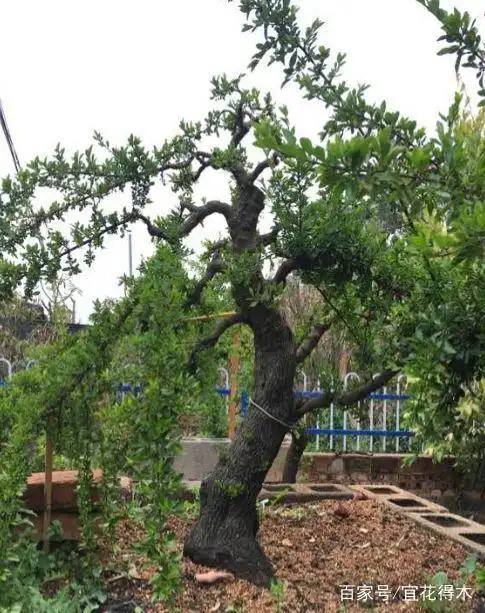
Why is it called "downhill death"
Hanaki-kun
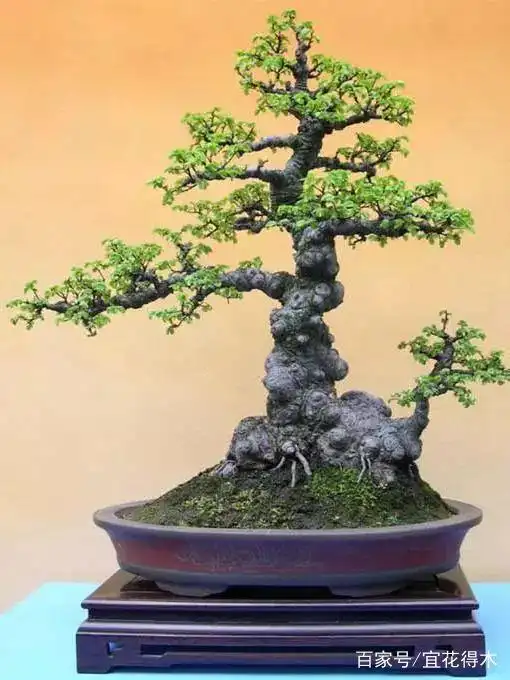
Most of the friends who like the view of the basin have heard of it as one of the famous five types of material for yunnan (scamwood, iron horse whips, ghost willows, small stones, young foliages) and, in particular, the view of the iron pony in the yunnan twig area, although the lowest rate of survival is found in the pillars of the five。
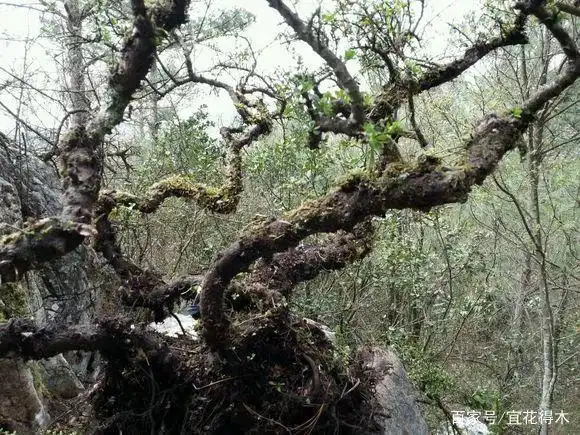
With regard to iron horse whips, there is still a lack of details. We have looked at a lot of literature and a lot of online presentations, and we have found that many are wrong and copying each other, and that there are contradictions in them, such as the confusion of science and even the appearance of grass and wood。
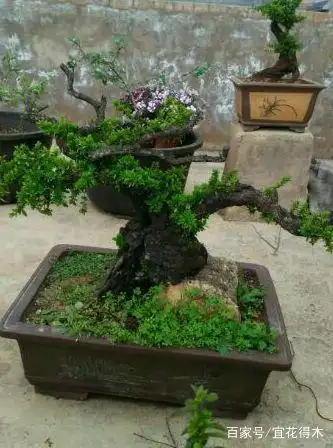
In fact, this is due to the confusion between the gill and the herbs as a potion, where some encyclopaedia combines the two different species of plant data and is more complete because of the long history of its application, while the gill and gill as a blighter has been in the past 30 years, with the relative lack of information, which has caused grass to be filled with it。
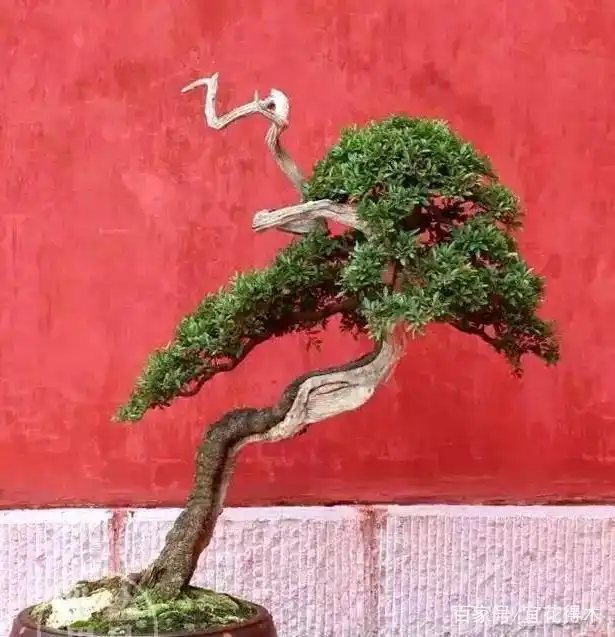
Herbal lashes are for soybeans, twigs are for many years. They are for all kinds of medicine. They are for wind and gastric activity, and are rarely for the sake of a basin view. They are for the high quality of a basin view
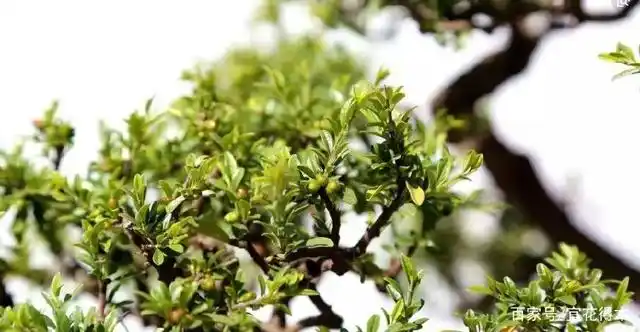
Iron horse whips (academic name: rhamnus aurehaeppeler), also known as rooster lee, oil pricks, pebbles, which belong to rooster leco and rooster lee, which are stingy little bushes. Around 1 metre tall, the bark of the tree is brown, and it is in the shape of an irregular nail; the larvae and the larvae of the larvae and of the same year are thin, rough, brown or black, cross-born or proximate, cross-breededed with needles; the velvet or near-freaking, inter-born or corrugated, elliptical, rectangular or rewinded, rectangular, blunt or circular at the top, thin diaphragms, wedges of the base, often convoluted on the edges of the ground, with short furs on the top, especially with a thick, taneous, glazing, yellow on the bottom, with three to four bars on each side of the side, which are lashed down on the top; and the handles of the leaves are covered with small, thin hair. Monosexual, male and female, usually 3-6 clusters are born in short branches, yellow green, near-spherical nucleus, gradually turning from light green to purple black, maturated black, with three-to-five-month periods and six-to-september fruit periods。
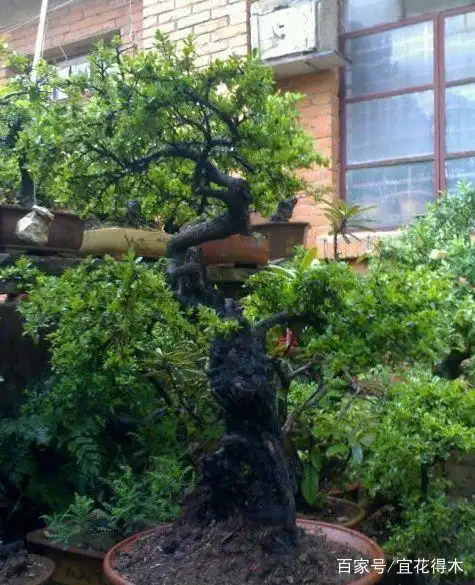
Iron horse whips are distributed mainly in the cloudy highlands, most of which are located in the phoebe. Rat lee is a country of 57 and 14 variants and is widely distributed across the north and south provinces of the country, yet the distribution of the high-quality pelvis-based iron lashes seems to have been reported only in cloudy distribution, with few other provinces。
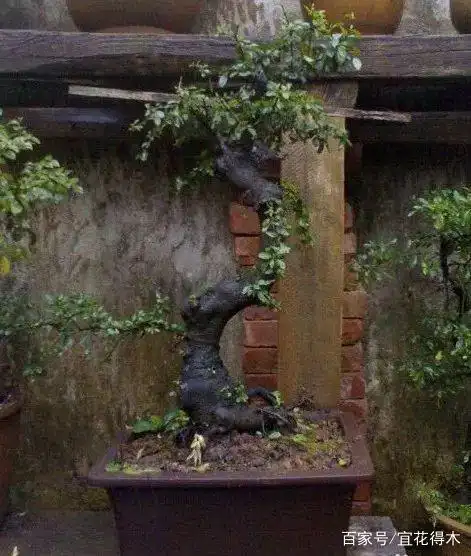
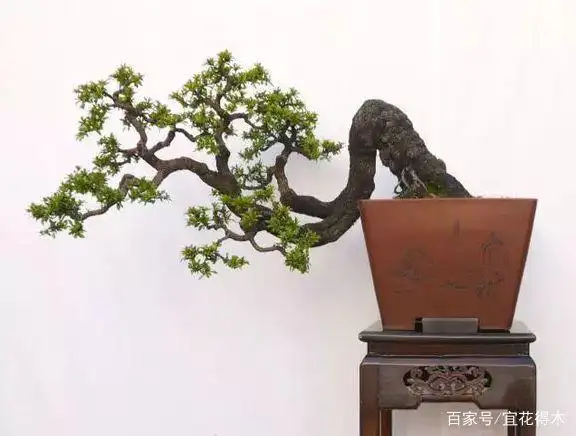
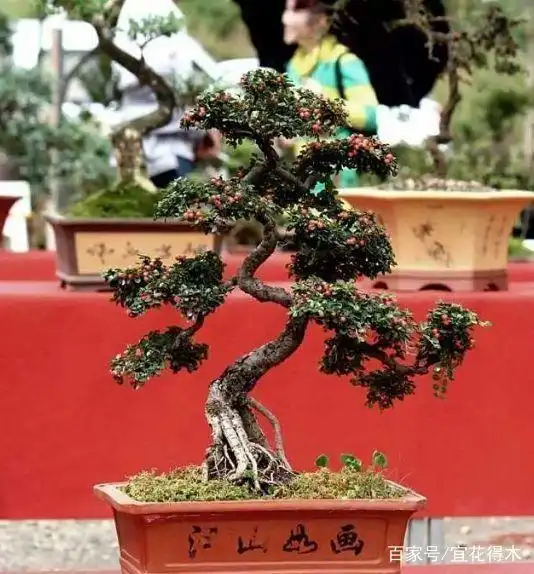
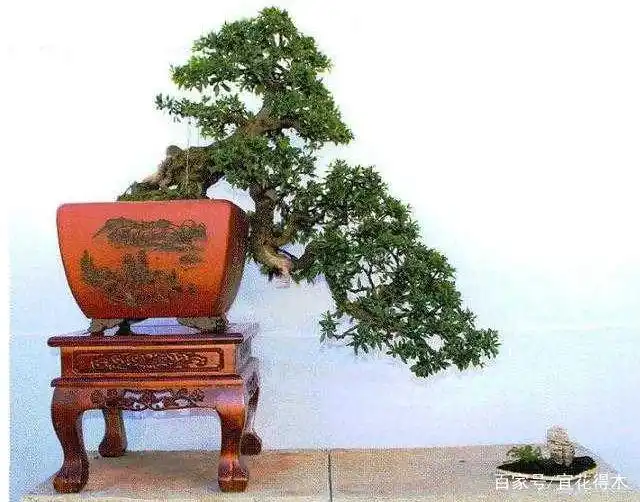
Iron horse whips are the best tree species for the production of a basin view. They are beautiful in size, variable in form, curvature, wood hardened, many of them with natural sherry branches; young ones are soft, suitable for shape and stylish; small, strong and sprouty branches are small; leaves are small, bright and bright, and they are natural clouds; and fruits are gruesome and strutted, and are therefore of high value, and are well known pellets of view, leaves and fruits。
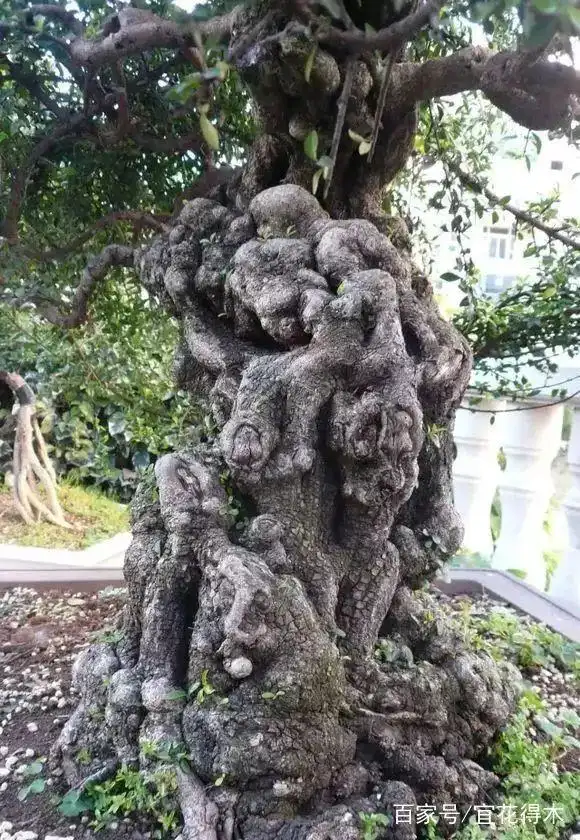
The iron horse is rich in wild resources and is naturally well-formed, with a slightly more refined and trimmed basin view, which does not require year-round cutting and drying of branches from other trees, and is therefore favoured by its lovers。
However, many of our friends have said that iron horse whips are difficult to survive first, and then easily lost, so why? The reasons why iron horse whips are difficult to survive are three:
First, climate conditions cause. Iron horse whips are spread over high-altitude limestone mountains, soil is poor, the environment is harsh, the weather is wet, moisture is high, and cold and hot are rare, so they are more expensive and death is caused by excessive temperatures。
Second, root causes. Iron horse whips, although strong, are fragile, difficult to root (not as some say) and difficult to live once excavated and damaged。
Third, conservation reasons. Iron horses are wet and drenched and difficult to maintain, and if the roots are not well, they can cause death if they accumulate water, but it is easier to maintain when they survive。
So, how to ensure the survival of downhills and that routine maintenance does not result in loss of life is considered necessary:
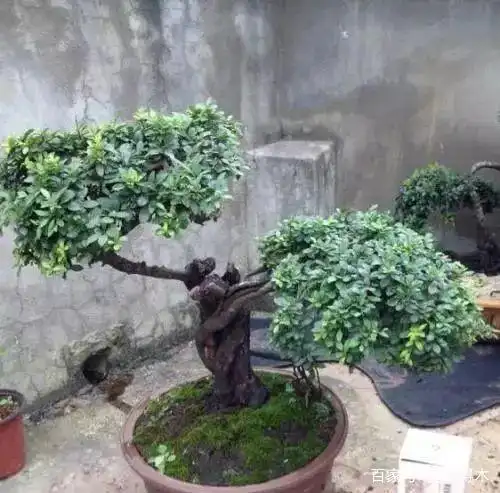
It can be said clearly that the iron horse whips off the hill without the original earth ball, which is almost difficult to live, and that some farmers say that it is quick to grow, for the sake of sale, not the truth. The iron horse must not be able to break most of the stubbles and must be brought down with earth globes; the local survival rate is high because the environment is the same and the soil is alkaline and therefore relatively high, and if it is purchased outside the country, it is less than a tenth if there is no native earthball, even if it is a living “fake”。
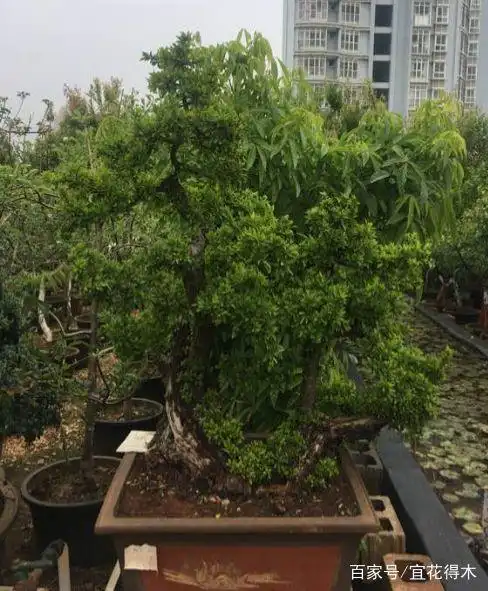
It is important to note from the many feedbacks received from alumni that other seasons have a lower rate of activity with a higher rate of pit mining in the spring and late autumn。
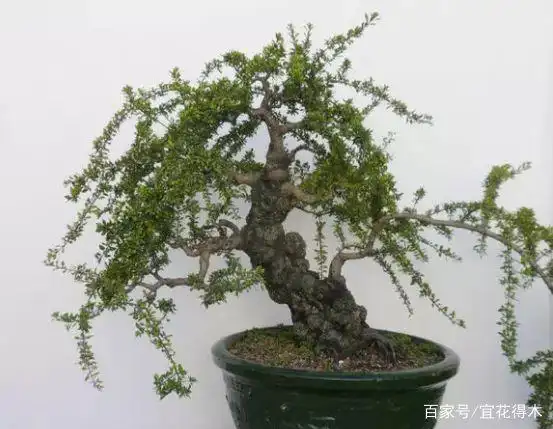
It is not right that, after [up] the iron horse lashes down the hill, many of its friends, based on past experience, will soak up root water or other root hormones. The iron horse lashes are extremely fragile, and death is certain if it is too long. It is therefore recommended that the iron horse whips off the stakes without immersing the roots and not tearing down the earthen ball, but only to paint the cutter with a healing agent and plant it directly on the basis of the earthen ball or to maintain it. The soil is fined with the jade soil, which in turn is the base of large grains, fixed by the medium and then covered by small particles at the top; in the case of local mountains, it can be mixed with bricks, cinders, small and medium grains of rough sand。
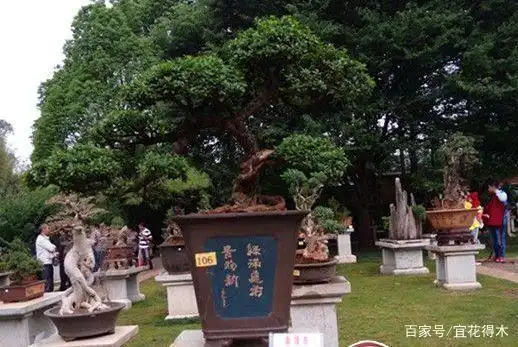
When the earth ball is taken up on the basis of the earth ball, as a result of long-distance transport, the native earth ball in yunnan is glued and fixed, which is very detrimental to the ingestion of water, and can be inserted on the bottom of the earth ball with bamboo stickers, with appropriate minor defusing, as long as the water can flow smoothly。
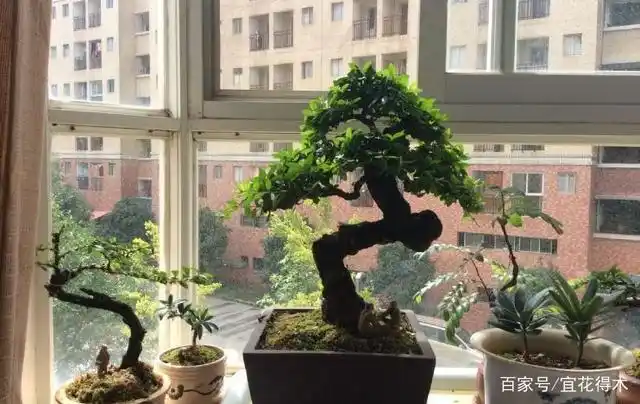
The iron horse whips are small shrubs, and the downside stakes often carry a large number of dense leaves, at which point most of the leaves need to be cut off, and then duly adapted to the original configuration, conceptualized the future, cut the useless branches, and painted with healing agents or erythrin. Avoid excessive evaporation and consume moisture and nutrients。
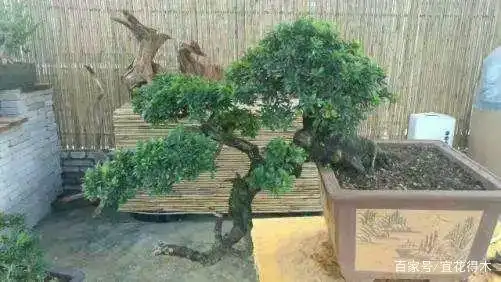
[maintenance] when the iron horse whips in the basin, water the roots, then wet the leaves, wet them with a membrane or a bag, make small environmental moisture, and do not open it at will until it has sprouts. It is then placed in a warm and safe environment, which cannot be placed in high temperatures and strong light; the soil does not need to be watered until it is wet, and, in practical experience, generally does not need to be watered for about a month after the root has been fixed; and most of the leaves fall when the iron horse falls off the mountain and then re-emerge. The slow gradual opening of the protective membrane after the gestation usually involves a few holes to adapt the blades to the new environment and then gradually expand, a process that lasts even a few months, so that it does not take too much haste, or else it is prone to “false work” and absing death。
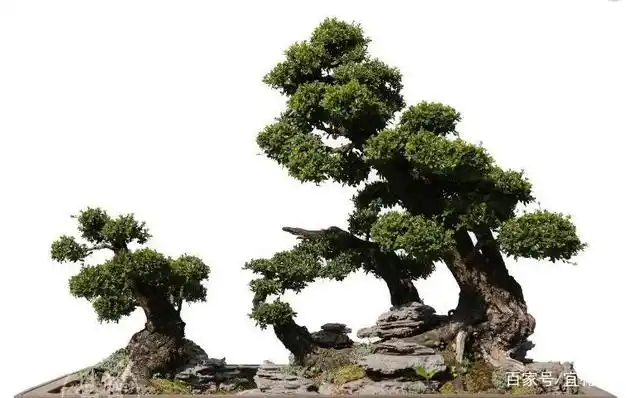
In order to protect the natural environment, which is more resource-rich, the author does not recommend the hasty handing out of a potion lover who has not had many years of experience with cultivation, so that one of them is an aberration, resulting in the death of an iron horse and the waste of a wild resource, and causing environmental damage and disruption of ecological balance. It is therefore important that proper excavations be made, that suitable stakes be selected in autumn and spring, that the vegetation be refilled after excavation, that the iron horse whips be allowed to grow again and that the ecology be restored。
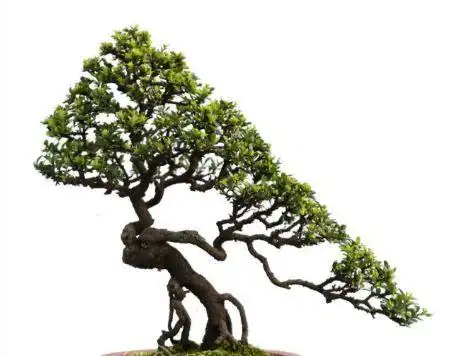
These are some of the ideas and experiences that have led to the beating down of the hill, and if there are any gaps, i would like to invite you, our friends and experts, to come to terms with the correctness, to work together to preserve and develop wild resources and to glorify people's living conditions