1. Analysis of the failure of the central air conditioners at the hospital may vary for the central air conditioners at the hospital, depending on the type of failure and the corresponding form of maintenance, including, inter alia, the following:
(1) host failure。
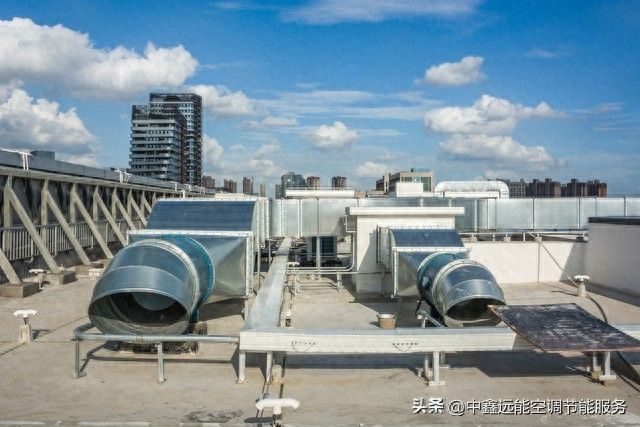
The power supply of the air conditioner needs to be checked for electrical power, or whether its voltage meets the rated voltage standard, or, in its normal condition, whether the central air conditioner of the hospital is connected to the outsider, whether the steering line is ageing, whether the main panel of the indoor machine is wired correctly, etc., and if the mainframe is still inactive, the main panel of the internal air conditioner needs to be replaced. If the mainframe is of high noise, observation of the host's installation location is required, and if the mainframe rack is not installed at a horizontal level, it will also result in disequilibrium on the underside of the interior, resulting in greater vibration frequency and corresponding noise during the operation of the central air conditioner, thus requiring strict requirements for the quality of the compressor and timely replacement, which has a significant impact on the performance of the central air conditioner
(2) refrigeration system failure. In addition to the possibility that the central air conditioner will remain in its current condition as a result of the failure of the main air conditioning system, which may be caused by a failure of the system, a shortage or excess of refrigerants, and the reduction of refrigerants in the refrigeration system, resulting in a low evaporation pressure, resulting in the freezing of evaporation units and the release of excess refrigerants in a timely manner, as well as the effective adjustment of wind return systems and wind delivery volumes, there may be a number of factors that, after the use of the central air conditioning, lead to the retention of micro-organisms on the evaporation unit, thereby impeding air circulation and the maintenance of air freshness in hospitals, and therefore the need to use water to wash the evaporation unit on the basis of a non-humid electrical component, as well as the need to wash the blades with soft hair。
(3) the alarm failure. Cac alarm failure may be due to a number of factors, such as disruption of the temperature monitoring circuit, error in data reading or poor system connectivity, which require the application of effective methods to enhance inter-system connectivity, improve data analysis capabilities and accuracy, and ensure that the temperature monitoring circuit remains efficiently connected, thereby increasing the sensitivity of the central air-conditioning alert system at hospitals。
2 main elements of central air conditioner maintenance at hospitals
2. 1 system maintenance and maintenance
(1) water system。
The maintenance and maintenance of water systems in central air conditioners in hospitals can be divided into the following two forms: first, cooling water systems. In general, the whole cooling water system is made up of various components, such as condensers, filters, valves and so forth. The cooling operation is mainly based on the efficient discharge of the heat generated, but in practical applications, condensers in the central air-conditioning system may find, for example, sediment accumulation in the quality of water, so that it produces unresolved water that has a negative impact on the cooling effect of the overall cooling system, which requires regular and timely clean-up of piles to safeguard the cooling effect of the central air-conditioning。
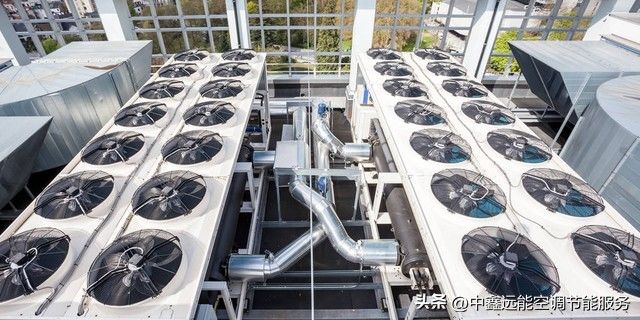
Second, cold water systems. The cold-water system usually uses piped water, which has its own water quality problems, coupled with prolonged storage and air isolation in the system resulting in deterioration in water quality, which in turn leads to corrosion and damage to parts of the system. Due mainly to the large amount of oxygen ion in operating water quality, which while corrosive of the metal parts it also accelerates the rate and quality of deterioration of water quality, and even adverse conditions such as piping congestion, it is necessary to focus on its maintenance and maintenance, which can be effectively avoided by incorporating corrosive inhibitors into air-conditioning cold water systems, electric corrosion, piping and sediment accumulation in piped systems, while at the same time acting to inhibit the growth of anaerobic microorganisms and fundamentally improve the quality and efficiency of cold water use。
(2) cycle pumping system. In order to recycle the water system, there is a need for effective testing of the state of the water pump, prior to pumping, a fine examination of the state of the valve, the amount of lubricant contained in the bearings, etc., and timely overhaul and replacement, as well as a need to replace fillings in a timely manner, if they are found to be more rigid than in the initial state, or to use butter to keep them in service, in addition to checking the flang bolts in the pipe to ensure that they do not appear, e. G., defecate or relax, and to avoid any impact on the quality of operation of the air conditioning system when they are used。
In the run-up to the recycle pump, the pump needs to be pumped and then filled with water, and the personnel concerned need to keep a constant eye on the condition of the air conditioner operation, in particular with regard to the operation of the bearings, heat, volume of water, vibrations and noise, and, in case of poor conditions, the timely application of emergency response or intervention, on the basis of which the heat of the motors of the air conditioner, if beyond the relevant norms and standards, requires an immediate cessation of the operation of the recycle pump and a detailed examination to identify, to the greatest extent possible, problematic locations and precise repairs。
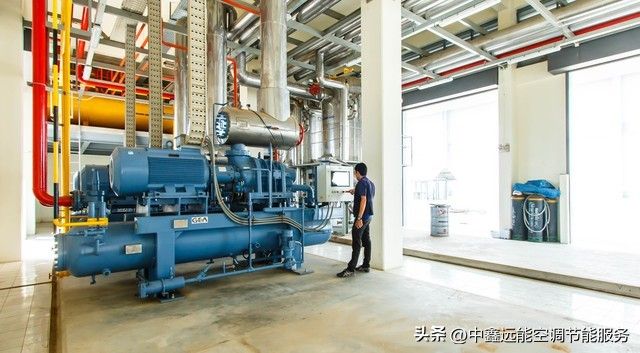
2. 2 host maintenance and maintenance for the central air conditioner mainframe maintenance and maintenance of the hospital, first, ensuring the operational quality of the condensers in order to effectively ensure that the chiller unit is able to fully perform its useful value, and therefore specialized repair staff within the hospital are required to perform regular transport inspection repairs and post-maintenance work in strict compliance with the relevant regulations, while also ensuring that the condensers and pipes are kept clean at all times and that the quality of the operation of the central air conditioner is not affected by the accumulation of water
Second, in the case of compressors in the mainframe, which provide power and transform air, it is important to ensure that they conduct more than one inspection and multiple maintenance per year, to the maximum extent possible, to avoid the failure of air conditioning compressors, and to perform targeted maintenance and maintenance work based on the detection elements, the main elements of which are: compressors ' oil colour, oil levels, parameter indicators, electrical resistance standards, etc., to ensure that the impact factors are kept within the standard range; and third, maintenance and maintenance of various types of equipment, such as throttle valves, evapotors, must be used in strict compliance with the relevant standards, and maintenance of the equipment must be performed on a regular basis to ensure its sustainable and smooth operation and that the purpose of extending the life of central air conditioners is met。
In addition to the maintenance and maintenance of the various parts of the mainframe above, maintenance may also be performed on the basis of the mainframe operation phase: first, the location of the warp axle tank oil in the compressor, the cleanness of the oil, etc., were met before the start-up; secondly, in normal operating conditions, an effective determination of the liquid position of the refrigerant in the central air conditioner, based on the equipment, was made to see whether the specific data were in accordance with the specifications and, in general, the liquid surface height was required to remain at more than half of the liquid lenses; and, again, the temperature and humidity controller, relay, compressor, etc., would need to be moved to the controlable range after the central air conditioner has ceased operating。
On this basis, in order to ensure that the pressure-setting values for relays are well regulated, there is a need for further effective regulation based on the operation of the central air-conditioning system, based on the actual operation, refrigerants and cooling methods, but the scope of the design must be kept within standard limits to avoid any negative impact on the operation quality of the central air-conditioning; finally, during the useful life of the service, routine maintenance and maintenance should be carried out and, when the chiller pump is activated, the refrigerant water stored in the evaporation unit should begin to be recycled. Therefore, in order to avoid the occurrence of water piles, pipe congestion and leaks, regular inspections within the air-conditioning system pipelines need to be carried out and, on this basis, the frequency of inspections should be increased appropriately to ensure that the central air-conditioning mainframe at the hospital can perform its practical application value。
2. 3 the maintenance and maintenance of end-of-pipe equipment, for the maintenance and maintenance of end-of-pipe air-conditioning equipment at the central level of the hospital, can be divided into two main parts:
(1) equipment such as wind hoses, surface coolers and air conditioners. For end-of-pipe equipment, the main function is to effectively transport the wind and energy generated within the air conditioners, while also having a protective effect, which may cause problems and malfunctions in their use. In order to significantly reduce the probability of failure, central air conditioners at hospitals need to upgrade their own professional skills, conduct high frequency inspections and maintenance of wind hoses in response to actual problems, and ensure that air filtration networks are cleaned within a period of between 1 and 3 weeks, while removing pipe air as much as possible and avoiding accumulation of residues。
In addition to the timely replacement of wind bearings in the event of a slow rate of winding and a significant delay in the operation of wind turbines, which requires the addition of a suitable amount of lubricant to achieve the objective of reducing friction, in accordance with the actual circumstances of the situation, and the timely replacement of wind bearings, in accordance with the functional features and characteristics of the equipment, a targeted inspection of the equipment will be carried out, in addition to regular cleaning of the wind leaves, water piping, pipes, etc., and effective maintenance and maintenance of the overall air conditioning structure of the central hospital。
(2) indoor air quality and air purification equipment. There are more factors contributing to the low air quality in hospitals, such as poor ventilation in wards, the distribution of toxic gases by chemical reagents and building decorants, the release of large amounts of contaminants from human breathing, and poor air filtering of air-conditioning systems, the ease of creating a closed circulation and respiratory system in hospital settings, the resulting lack of access to sufficient and fresh air, which not only exacerbates the patient's disease, but also makes it difficult to meet the standard human demand for oxygen, which leads to poor conditions of dizziness and impotence within hospitals, thus requiring regular maintenance and maintenance of air purification equipment, as well as the application of advanced technology to improve air purification capacity, such as ultraviolet filtration techniques, and, accordingly, the regular cleaning of air cleaners, avoiding pollution congestion, effectively improving the working environment of medical personnel and promoting good conditions for health care personnel and patients。