Sleeping lotus, multi-year aquatic lawn; roots thick. Leaf handle cylinder, long. Many park water bodies are grown as ornamental plants, with roots eating or brewing alcohol, and medicines to treat the slow wind of children; whole grass is green. Do you know what is the method of planting the seed of sleeping lotus? What are the effects and effects? Why do you stay together at night
I. Methodology of sleeping les
1. Seeding time: lotuss can sow four seasons as long as their temperature remains above 16°c. Lotus takes 50-60 days from seeding to flowering spring and 60-80 days in autumn under conditions of temperature and light。
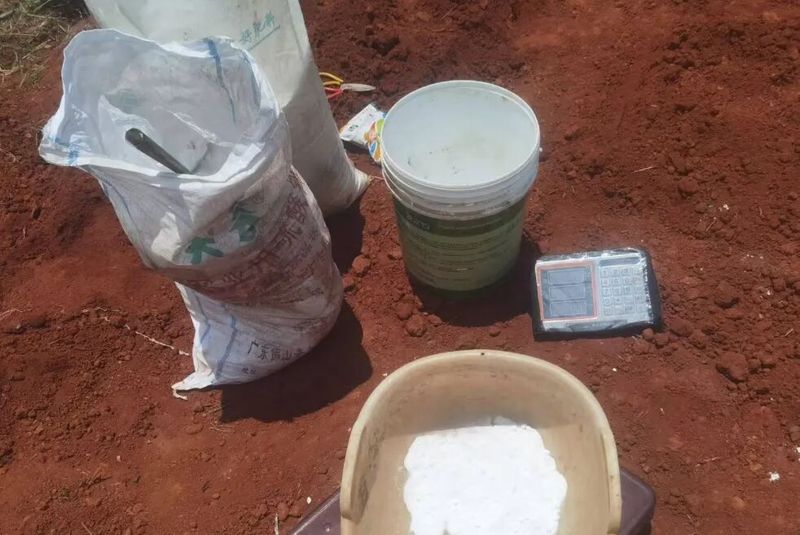
Seed treatment: the husk of the lotus is solid and must be broken artificially before immersion, with a small tip on one side and a small dent on the other. Cutting the end of a small dent on a rough concrete floor or breaking a small hole with a tiger plier, be careful not to pick up an embryo or go to the shell。
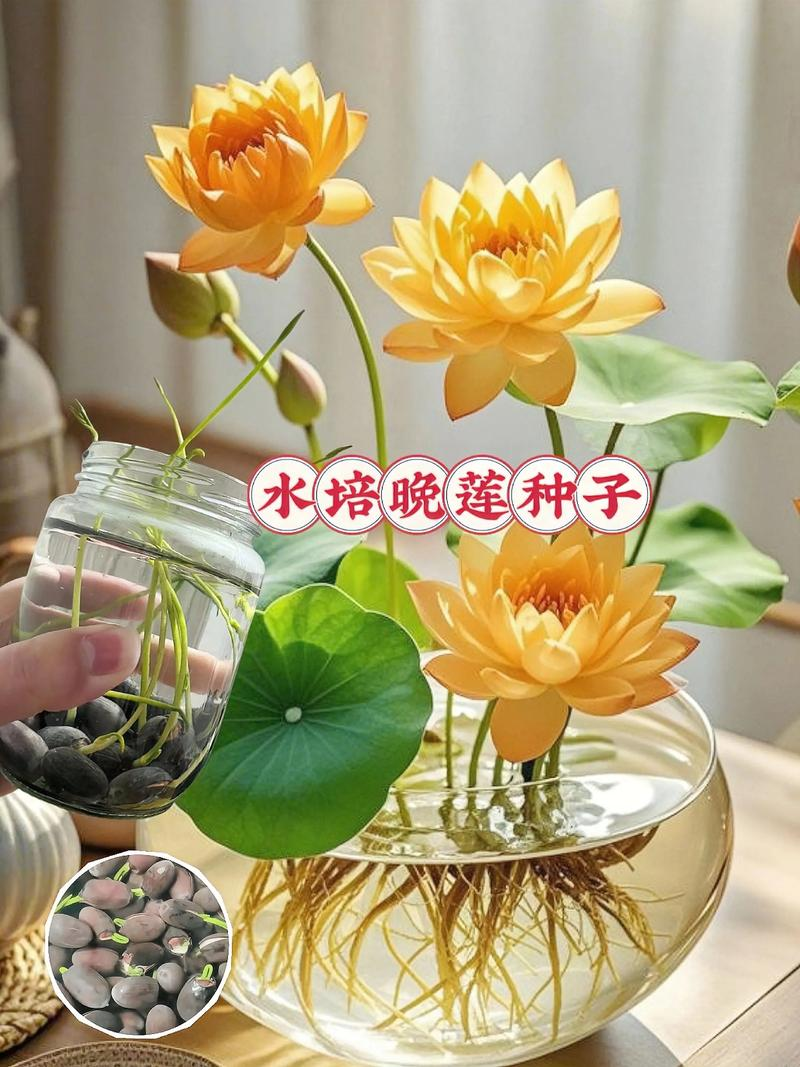
3. Leaching seed sprouts: summer water temperature of 20°c-30°c is suitable for lubrication, depending on how many seeds are filled with bowls or basins of water to soak the seeds. Put it in the room, change the water twice a day, and have a bud within a week. They are sprouted and placed in the sun, strengthening the light, and water is indispensable. Two weeks later, the roots and two to three small leaves were grown, and the roots formed as money。
Brested seedlings: 20 cm - 50 cm of scalding pottery or plastic flower pots, half a basin of field or chemical-contaminated pond mud, two weeks in advance with water soak and no fertilization. When planted, the small seedlings are pressed into the mud, with one plant per basin. After planting, an appropriate amount of water would be appropriate for the water not to flood the leaf。
5. Fertilizer management: after two to three weeks of planting, waiting to enter the boom (summer) period, which is also the time when the greatest demand for moisture is felt, so it is important to be careful not to dehydrate in the tub throughout the summer. The monsoon season is characterized by a concentration of heavy rainfall, and the pond is unable to inundate the piping leaves, and attention should be paid to the timely discharge of the water and to avoiding the extinction of the plumes。
It's fertilized, but too much fertilisation burns the seed, and it is therefore hard to use it. Summer is also a flowering season, and demand for fertilizer is higher. If, after the buds come out, the leaves are thin and disease-free, indicating a shortage of fertilizers, phosphorus and potassium fat should be added in a timely manner, with the possibility of fertilization every 15 to 20 days thereafter (e. G., cake or compound). The size of the pelt-planted pvc basin places the fertilizer in the mud in the middle of the jar so that it can be slowly released。
Ii. Effectiveness and role of sleeping les
1. The efficacy of the sleeping lotus
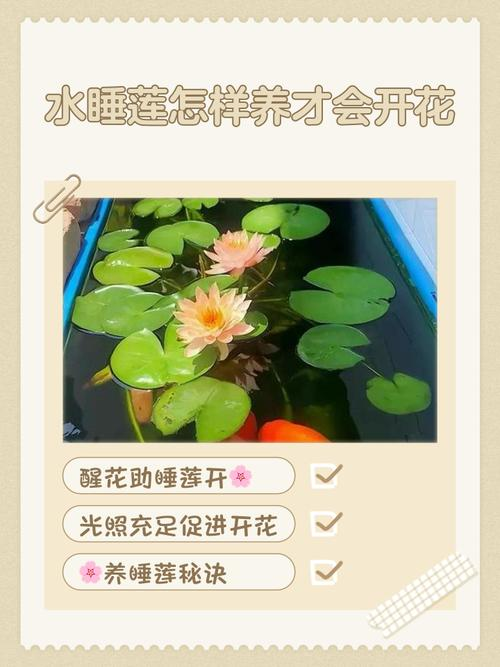
The plant has a strong medicinal effect, which has the effect of active and moderate bleeding control, as well as of cooling blood. In particular, the plant that grows after sleeping lotus is a common type of chinese medicine. It has the effect of feeding hearts and kidneys and stopping blood. It also has the effect of strong medicinal use of leaves, which can be used to spread bruises and stop bleeding, as well as gastric water and heatfalls。
2. The role of sleeping lotus
Advantage is recognized as one of the most important effects of sleeping lotus, a plant that has an important place in many of china’s southern landscapes, and an important plant landscape in gangnam’s famous garden, where the flowering is the most beautiful natural。
The sleeping lichen has a strong decontaminative effect on the environment surrounding it, and scientists have confirmed that multiple heavy metals in the air are decompositioned to varying degrees after contact with the sleeping lichen and that they do not cause human harm again. So in the scenery of the sleeping lotus, it is felt that the air outside is particularly fresh, which is the result of the absorbing all the toxic substances in the air。
Iii. Why do you meet at night
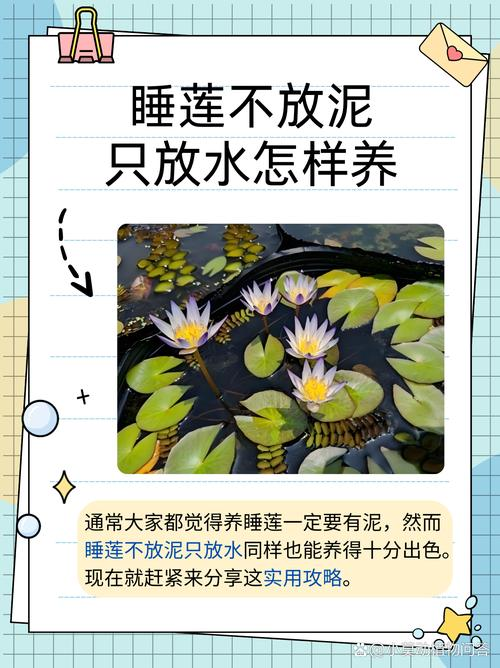
Sleeping lotus usually blooms around 7 a. M. And closes at around 5 p. M. The sleeping lotus, also known as the meadows and the pelicans, is a multi-year aquatic plant of the meadows of the meadows of the meadows. The appearance is similar to that of a flower, unlike the leaves and flowers of a flower that rise out of the water, while the leaves and flowers of a sleeping lotus float. Sleeping lotus has been dubbed "sleeping beauty in flowers" for day and night rolls. Sleeping lotus is used extensively for food, tea, cut flowers, medicine, etc. Sleeping lotus is one of the most widely distributed of the sleeping lotus, and all over the world, except antarctica, can be found. Sleeping lotus cuts more than an hour away from water can result in water-absorption loss and loss of openness。
Sleeping lotus is so bright and well-ventilated that the flowers close at night and open in the morning. There are tree-cubed ponds on the shore that bloom but grow less. Land quality requirements are not stringent and ph values of 6-8 are normal, but hefty contains organic land. The water depth of the pool during the growing season is not more than 80 cm. In march and april, the leaves rose, and in may and august the flowers began to bloom, opening for two to five days each, opening for the day and closing for the night. The flowers are solid. In the month of october and november, the leaves died. The following spring, it re-emerged。