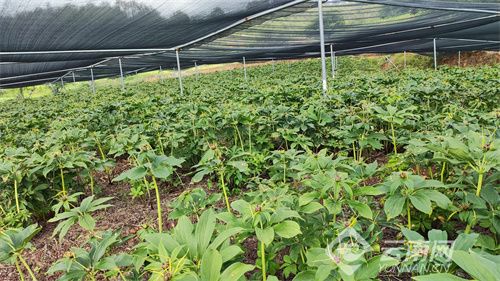
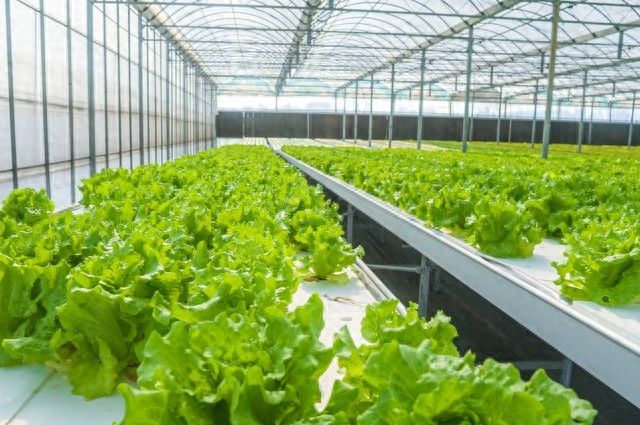
The plume of the plume is one of the most popular specialties in recent years. So, do you know how to plant the tuberhouse? What's the technical point of growing the tubers? Now let's let the growers introduce you。
What's the point of growing a tuber
Selection of varieties to select the seeds of imported troughs, which are expensive, but are highly integrated, have a high rate of condensation, production and quality。
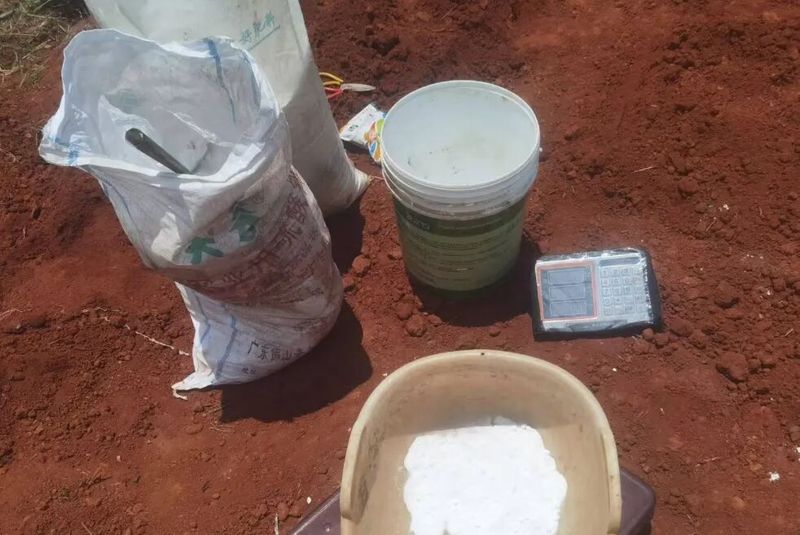
2- the application of base fattening requires the application of 5,000 kg of corroded organic fat for each acre and 50 kg of potassium nitrogen phosphorus compound fat。
3. Small seedlings are planted. It is 30 centimetres and 40 centimetres, with around 6,000 plants per acre。
Water fertilizer management waters the bottom of the foot when planted, and one or two more times after three days, with a conditional greenhouse covering the sunnet. When the seedlings are alive, they are cultivated one or two times, without subsequent drought or rain, such as by pouring water only once, and then plowing seedlings. When the tubers start to expand, the supply of water fertilizers needs to be strengthened and soil moist. The fat was followed once in the water, 10 kg urea per acre and 5 kg potassium sulphate per acre. Twenty days before the harvest, no more fat watering. Those who need to delay harvesting should also stop watering and fatting。
5 temperature regulation 15-20°c, 8-12°c, 8-12°c for long periods of time, and if the tuber needs to be extended to harvest, the wind should be increased, 10-15°c for high temperatures and above 4°c for high temperatures to prevent break-ups or decay。
6. Timely harvest. Scratch the root, and when the top leaves are removed, they can be listed。
That's what i'm talking about. It is hoped that some of the comments of the farming community will help us to grow the styrofoam better。
Varieties selection
It is important to choose the best varieties of the tubers, which are outward-looking, cold-resistant and light-resistant. Imported truncheon seeds, though expensive, are selected for high degree of alignment, high balling rate, high yield and good quality。
Cultivating a seedling
1. Leaching seedlings
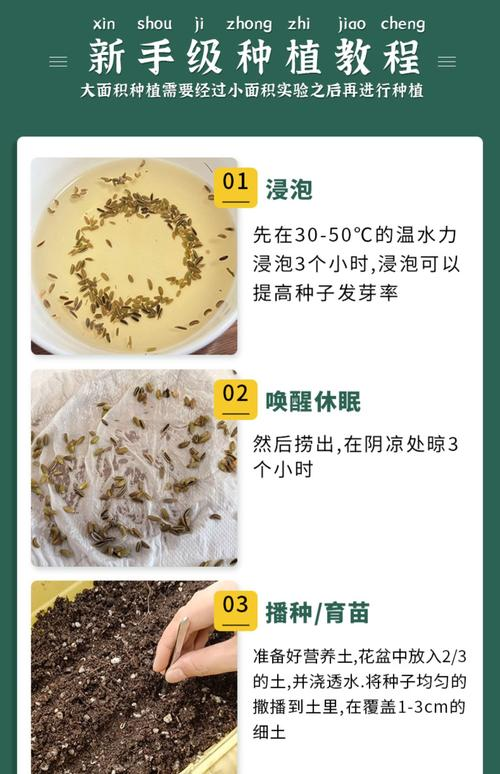
Daylight greenhouses should plant in mid-july. It usually takes about 100 grams of seeds per acre to tan the seeds 6-7 hours in advance, rubbing them with hands, immersing them in water around 20°c for 24 hours, and lynching them at 20~25°c. In the middle, wash with water once a day, 5 to 6 days to germinate。
Cultivation

An acre needs 25-30 square metres of seedbed. Sifted 60 per cent of the field, 30 per cent of the cormorants and 10 per cent of the chicken dung, mixed with 0. 3 per cent of the manure to produce seedbeds, laying the well-prepared seedbeds within the seedbeds, and then levelling them and pouring bottom water. A layer of 0. 5 centimetre-heavy ground is spread on the bed side, with approximately 4 grams per square metre spread evenly and then covered by approximately 0. 5 centimetre-heavy ground. The shed is covered with sunscreen。
3. Shrimp management
The temperature is maintained at 20-25°c (not exceeding 28°c) during the day and around 15°c at night, before the seeding occurs. One week after seeding, the seedlings are ready to come out and then water once, with an additional 0. 5 centimetre-heavy layer of soil to be covered by the water, and it is appropriate to maintain 15-20°c during the day and 10-15°c at night. Saplings have been removed at the time of one to two of the leaves, 6 centimetres at the time of three to four of the leaves, usually after 25 to 30 days, and when they are about 15 centimetres high and have 5 to six of the leaves, they can rise up and move. The use of cave-cubling can save seedlings, save seeds, produce healthy seedlings once in a while, and grow fast after planting。
Zhang
In mid-august, planting was scheduled, 500 kg per acre of corrosive weight was applied to the ground before planting and 50 kg per acre of potassium nitrogen phosphorous compound fertilizer was applied to the ground, and a 1. 6 metre strip (30 cm width) was applied to the ground. Each of the four lines is planted in the clear afternoon or in the dark. In the case of seedlings, the lobe stretches in the same direction as the girdle, preventing lateral crosses, facilitating management and ventilation and reducing the incidence of disease. The day before the planting, the sapling bed was filled with water once, and the sapling was dug with dirt, with fewer roots. The greenhouses should not be too dense, otherwise they are prone to decomposition, with a range of 20-25 centimetres and 40-45 centimetres and a fixed density of around 6,000 plants per acre。
Fertilizer water management
Once the water has been planted, it is required to be watered two to three times, depending on the growth, with proper control of the tubing before it starts to expand, and more when it starts to expand, in order to promote the growth of the tubing. Twenty days before the harvest, no more water for fatting。
2. After 7-10 days of slow-down seedlings, during which one or two times of cultivation occurs, a combination of urea application of 10 kg or acre biocombinant weight of 10 kg is followed when the seed is about 30 cm (leaf 7 - 8); a second urea recovery of 12. 5 kg per acre follows water; a third urea fertilization of 7 - 10 kg per acre is followed by a fast bulge combined with water。
Pest control
There are fewer pests and pests in the plume, mainly ashilosis, aphids, larvae, etc。
Asymptomatic disease. Take care of the draught, remove the sick leaves and the old leaves for the air. Spray control with musculin 600-800 times more
2. Aphids. It is treated with 10% aphids of humid powder 1,000 times the liquid spray。
3. Vegetable worms. Control by liquid spray with a “deeply” suspended agent 1,500 times。
Harvest: when the tubing expands, harvests should be done in a timely manner, with the roots cut clean, the yellow leaves removed, the upper part of the tubing left around five centimetres in length, and the rest cut。