Of the 500-year-old art of the purple sandpot, the following 10 are undoubtedly recognized as the stars of the industry when it comes to the opening of the genre and the archaeologist。
Not only are they highly skilled, but they have profoundly influenced the direction of purple sand art with their originality。
This list begins with the beginning of the first generation, with the culmination of the new generation, and outlines a vivid history of purple sand art。
I. Clear foundation: the founder of the paradigm and tone
(approximately 1506-1566)
Status as a teacher
The purple sandpot opens up. As the book of the arheung, legends taught the monks how to raise their daily masculinity to the category of independent art。
Artistic symbols
The rarest “tree pot” (also known as the spring pot) was shaped by natural tree tumors, which opened up the first river of the vermin。
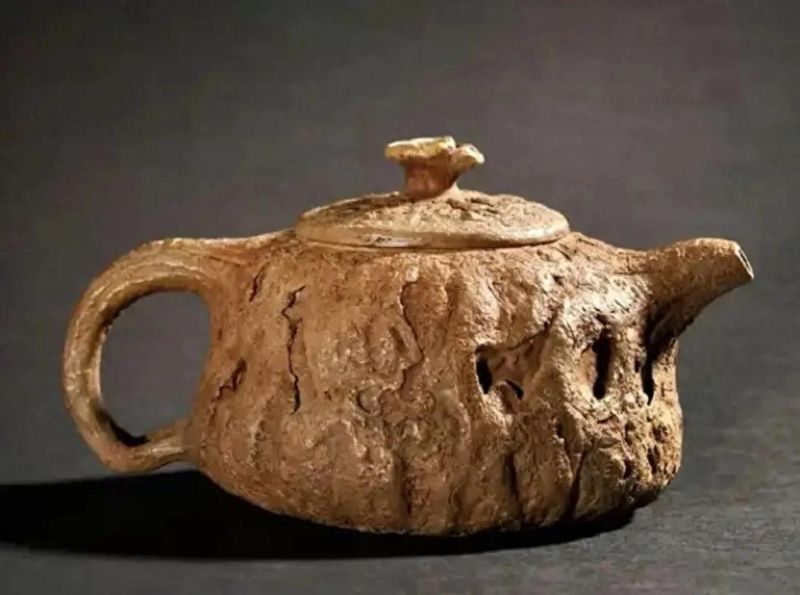
♪ a chrysanthemum tree ♪
2 timebin (1573-1648)
Status as a teacher
The conglomerates and norm-makers of the ancient purple sands. He has improved and promoted the “mixed styling” that has been applied to date。
Technical revolution
The modeling of the lightware was established, the pots were transformed into pots for the tea of the common people, the “puer ya-kan-chul” piece, laying the aesthetic foundation for centuries to come。
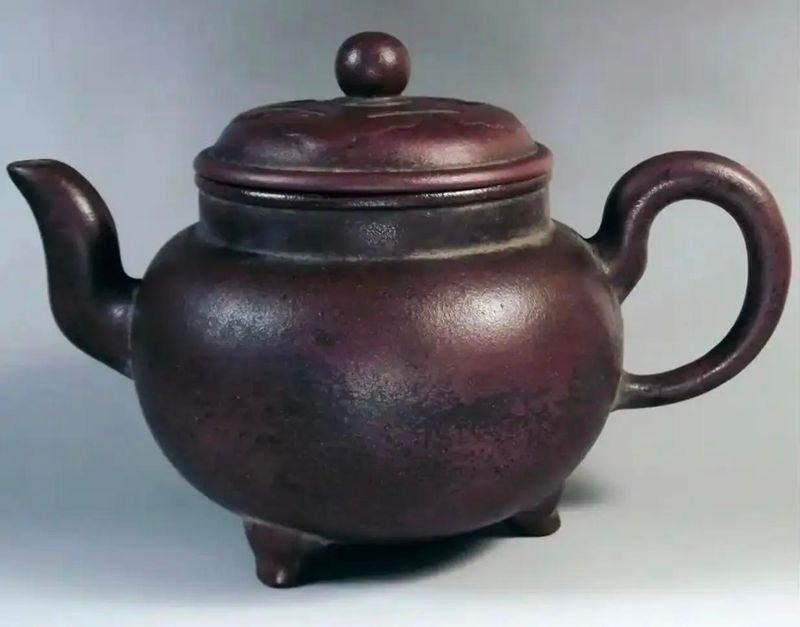
It's like a purple sandpot
3. Chen ming-yung (1648-1734)
Status as a teacher
Qing jiang was dubbed as "the flower master" and "a generation skill."。
Nature
A great deal of work has been done on the subject of purple sand, so that natural forms, such as pumpkins and beamwood, are integrated into the pottery by means of highly written and artistic beauty, and the creation of purple sand room sets and simulations。
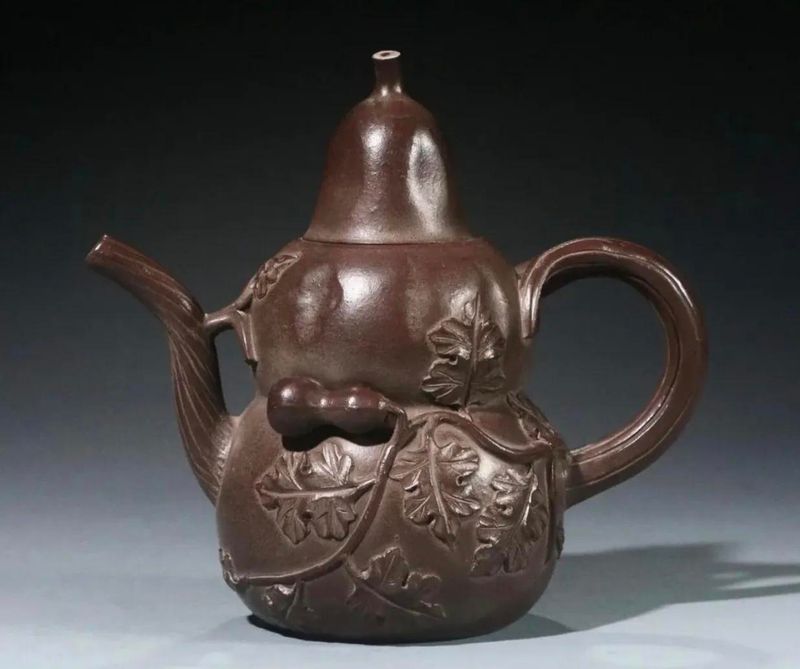
(approximately 1598-1684)
Status as a teacher
** "the king of the pot."。
Tea culture mark
Its fermented and well-wired canteens have become early examples of the kung fu tea pot, and the “mongseng pot” continues to be a high-quality complication of the kettle, with far-reaching implications in the case of the knobs and southeast asia。
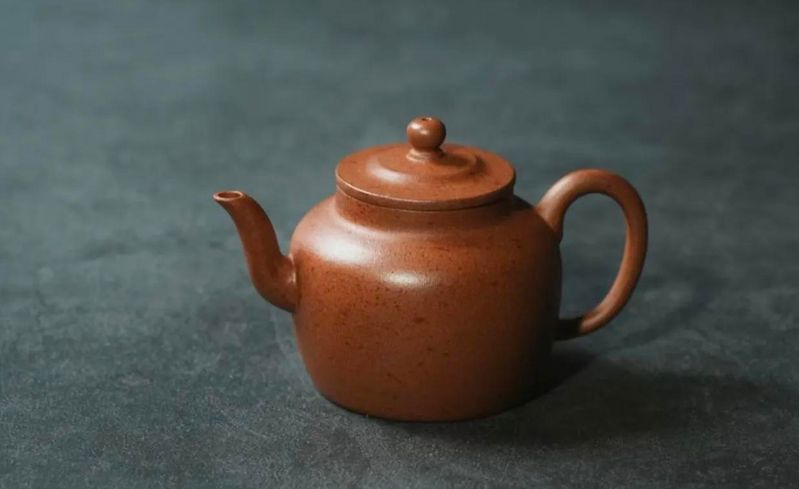
I'll be back in a minute
5 chen mansheng (1768-1822) & yang peng year (approximately 1772-1854)
Status as a teacher
Chen mansheng, who is not a potmaker, is the founder of the "talk of mansion."。
Yang pen is the best implementer of his design。
Goldstone in the pot
Mansheng designed the pot, written the pot, co-produced the "mansheng 18" (e. G., the stone-sheath, the well-column), which perfectly integrated the painting of poetry with the purple sand, and achieved the cultural peak of "the pot with its high value, the word with the pot"。
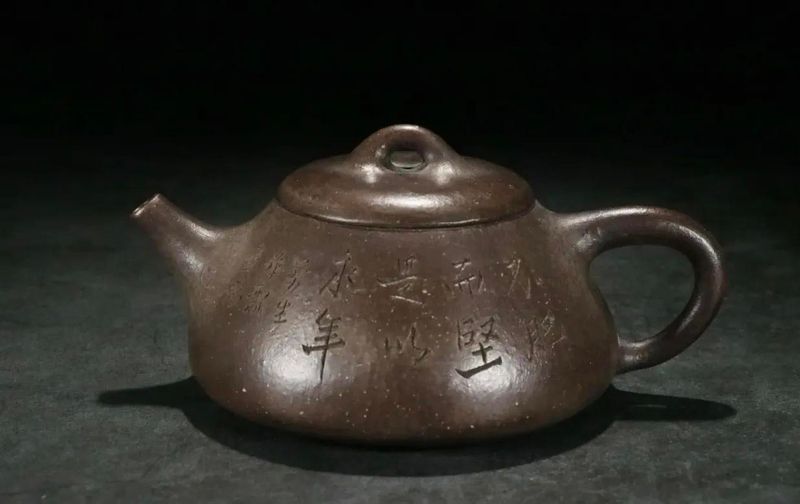
Yang-peng, chen man-sook, chen-sheng-suk-suk
(approximately 1796-1850)
Status as a teacher
Qing dynasty, the late qing dynasty, is recognized by future generations as the height of the art of violet salin。
Extremeity
Its work is smug and clean, and its proportions are perfect (e. G., black pots of gold)。
Guangzhou lamented its 300-year-old sand crown as the ultimate model for the study of photon。
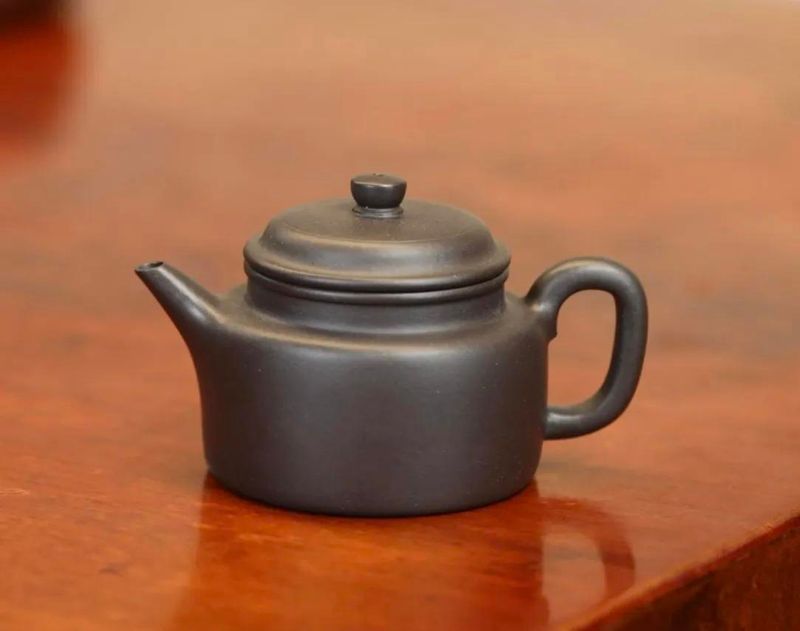
Cowdow
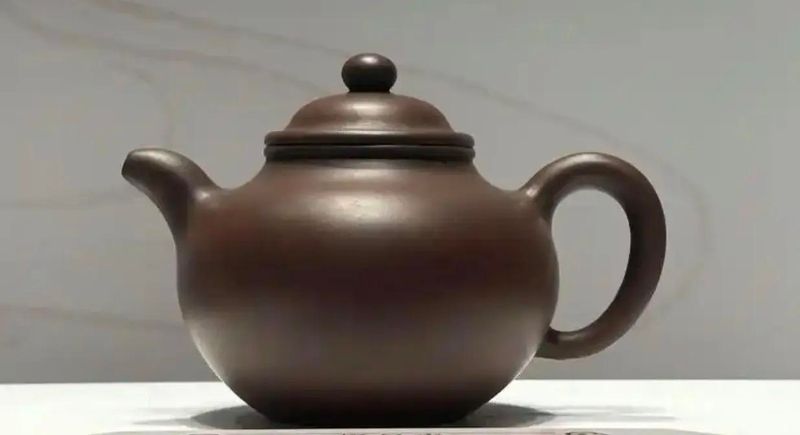
♪ ♪ scrambling ♪
Ii. The dawn of history: the foundation of modern systems
"twilight sand seven" (provincial government awarded the title "old artist" in 1956) i'm not sure
In 1956, an important historical node, the government of jiangsu province awarded the title of “old artist” to seven performers, who constituted seven monuments of the modern purple sand industry. Four of them are particularly critical:
Vii. Jung january (1889-1968)
Master of carving, no. Stone creek, shack, recent generation of purple sand pottery artists. His work, known as "the sword and pens of god", fully integrated calligraphy, painting and purple sand。
The banners of twilight, the right-hand bows, the swordsmanship show, and a generation of masters such as seo su-chun and tan spring sea。
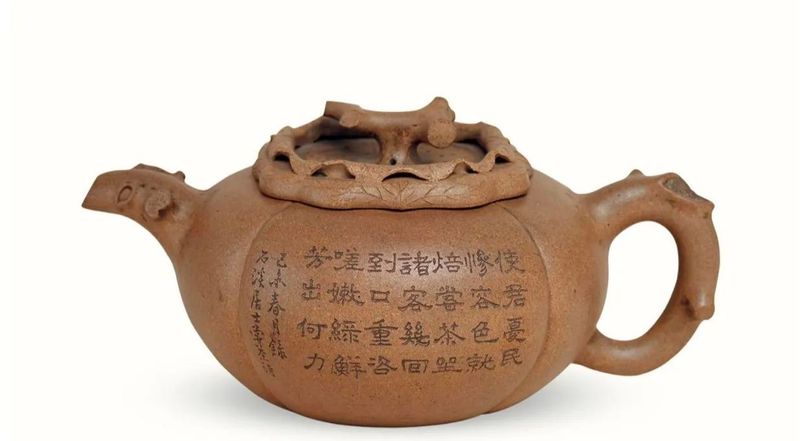
A canteen of tomatoes. Engraving paint
Page (1892-1976)
It's called the "beep two." the power of the ancients is great, and they have covered their spring pots, and small things are like snails and crabs, but excellent are they。
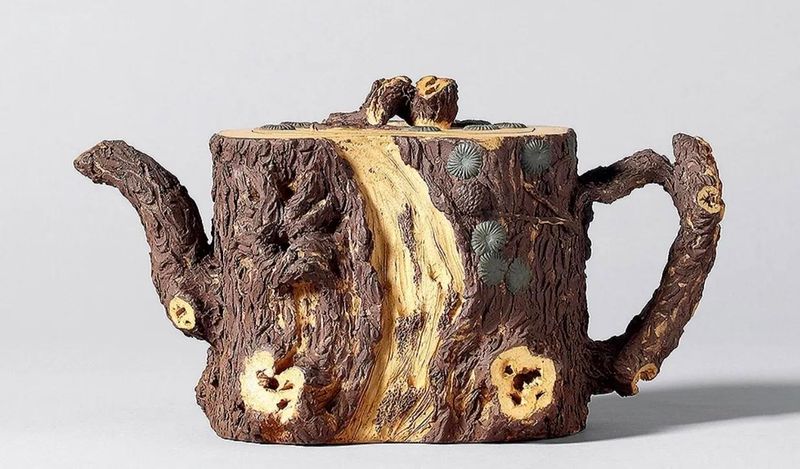
Pei-suk min-sum pot
Visiting canoe (1915-1996)
Status as a teacher
The most recent conglomerate of purple sand art, known as the "tai doo in the pot" and the "tai doo"。
A thousand times
The technology is at its highest level (especially in photon), and the work has a deep cultural background and an elegance。
He has systematically combed the purple sand theory, the editor-in-chief of il-hing, and has trained a large number of top students, such as xu han-chun, li changhong and zhou gui-jin, to profoundly reshape industrial ecology。
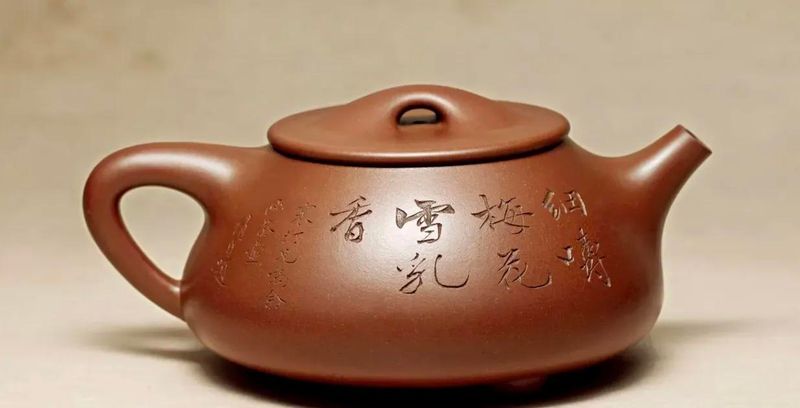
I can't believe it
10, 蒋蓉 (1919-2008)
Status as a teacher
China's master of crafts and crafts, a distinguished representative of modern purple sand instrument art, was hailed as the queen of flowers。
Colours and kids
The work is dominated by imitations of peanuts, weeds and beasts (such as pots of flowers and pots of oysters), colours that are realistic, well conceived and lively。
She pushed the purple sander to another peak at a new height。
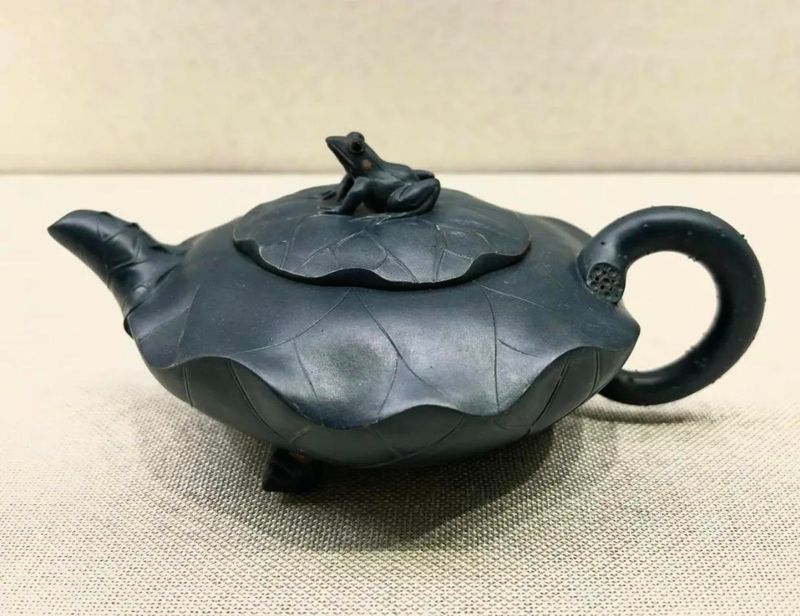
Frog-bottle
Iii. A multidimensional perspective on historical ranking
It should be noted that the “ten masters” of the history of purple sand often have different versions depending on the times and standards. For example:
1. People's land cruisers
Cheng jiu-jin (1858-1939), who received the golden prize from the panama national fair with his standard instrument, "show the ball canteen", is an important figure in international development。
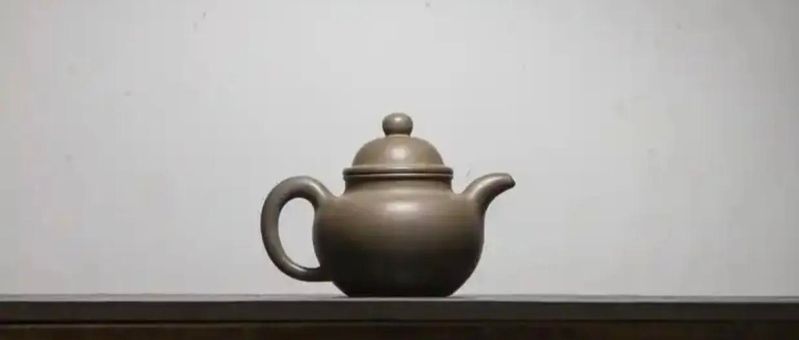
Qianjin's purple sandpot
2. Contemporary innovation
The original “lu's muck” has been dubbed as a “ pottery magician,” as it did in 1941。
The masonry process is extremely difficult and requires precision control of the constriction rate and the temperature of combustion of different sediments, resulting in cracks with minor care。
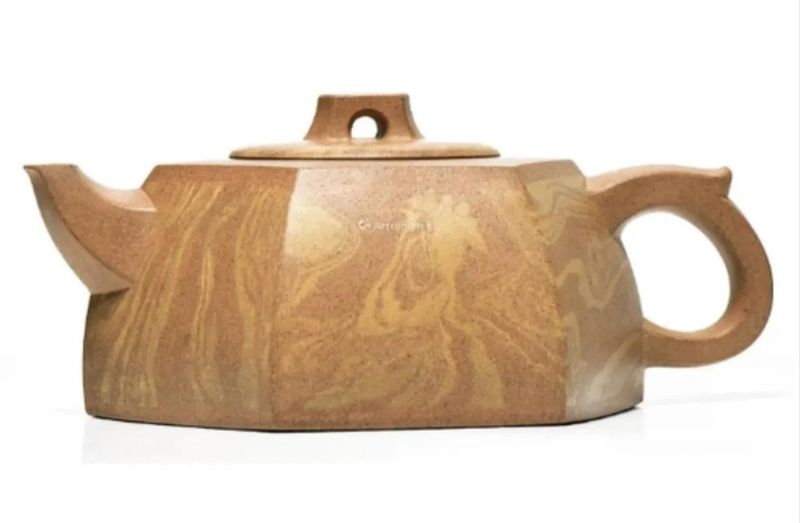
Mayo-sensei move the pot
Ho do-hong (january 1943), pioneered a strong “holshire style”。
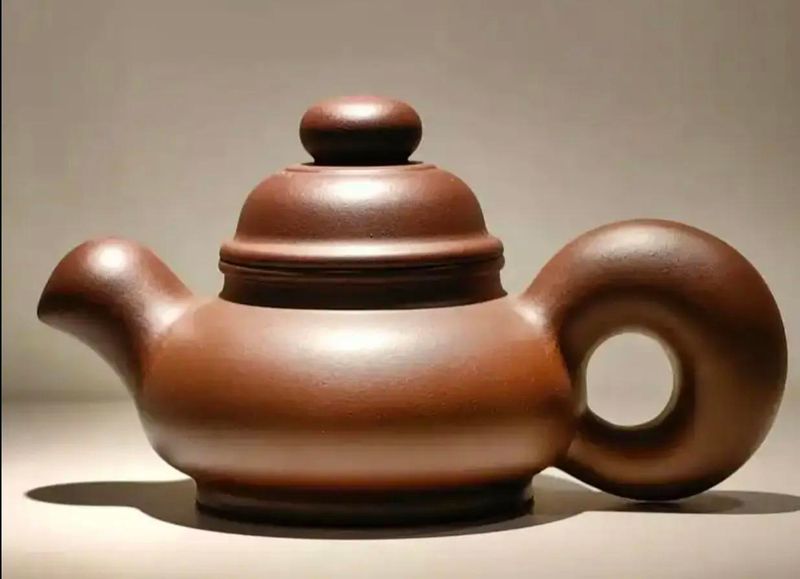
Do-hun squirrel pot
It is hoped that this comb will open up a door to the temple of purple sand。