Tuberculosis is the number one killer of infectious diseases, and the state attaches great importance to it and is a priority in the prevention of disease centres. As a result, there is considerable national investment in the disease and tuberculosis screening has not stopped. The state provides a number of free policies and subsidies for the screening and treatment of tuberculosis, mainly to encourage “early detection and early treatment” and eventually to eliminate the harmful effects of tuberculosis. The chinese communist party is a popular figure。
First: free screening:
Free chest x-rays and smears are provided for suspected patients who cough, cough, cough for two weeks, blood or scab, or for priority groups (e. G., elderly people, diabetes patients, etc.)。
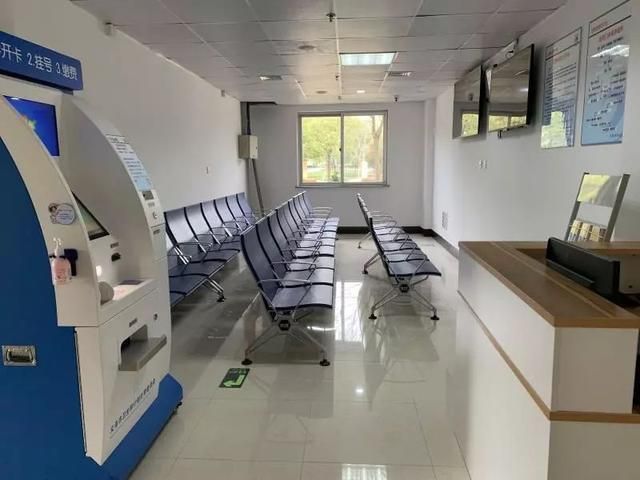
These services can be consulted and accessed at local point hospitals, tuberculosis clinics, community health centres. Free ct checks, molecular biology tests, etc. Are also provided in part by high-prevalence, economically sound regions or country-specific grants。
Ii. Free treatment:
For general tuberculosis patients diagnosed: first-line anti-tuberculosis drugs (e. G., amphibian, lifoping, aridium, etc.) are provided free of charge。
These services continue to be provided at point hospitals or defence stations. Drugs are procured and distributed by the state。
Further: medical insurance reimbursement: in accordance with local health insurance regulations, chinese citizens who have taken care of health insurance, after filing, the cost of a tuberculosis clinic is included in the reimbursement for a special sickness clinic (not taking up the day-to-day reimbursement rate), and the cost of hospitalization is settled in accordance with the general health policy. The reimbursement rate can be 60-80 per cent。
Other benefits: transport grants, nutritional supplements, etc. Are provided in some difficult areas or in special state projects。
Is it completely free to treat tuberculosis? No. The key measures mentioned above are the performance of the state's base, although in the course of treatment, diets to mitigate side effects and liver and nutritional drugs are essentially self-financed or paid for by health insurance。
* hepatitis, vitamins, side effects, etc. Require self-financing, which varies according to the type and quantity of drugs used, ranging from several dozen to several hundred dollars per month. * conventional examinations, such as smears, chests, etc. Are usually free of charge or at minimal cost。
* monthly monitoring costs for liver and kidney function, blood routine, etc. Are self-funded at approximately $100-200 each。
* more advanced inspections, such as ct scans (approximately 300-800 yuan/s), genexpert (moleculular detection) (approximately 300-600 yuan/s, rapid diagnosis and detection of lfps) usually take place at their own expense。
Medical treatment of tuberculosis is based on the principles of “early, joint, adequate, regular and complete”. Currently the most standard is the who-recommended “direct face-to-purpose short-range chemical treatment”: the ideal is six months。
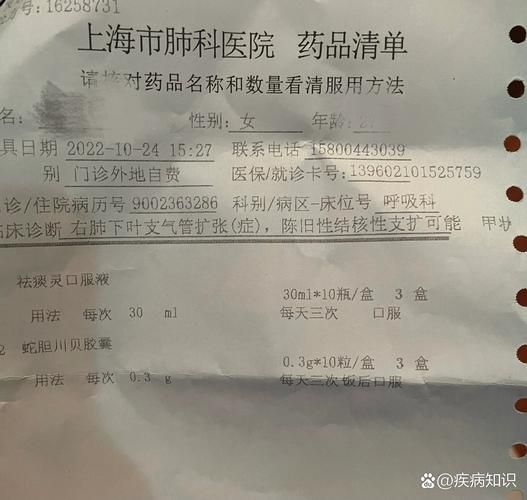
Front-line anti-tuberculosis drugs: this is the core drug for sensitive nodules. *small-smoke (h): microbicide, core. :: li fuping (r): microbicides are also essential. * acetamide (z): strong fungicide in acidic environments. :: ethylambutol (e): bacillust, mainly for anti-drug resistance. :: syncin (s): injecting drugs, which are now being used gradually, mainly for reinforcement periods。
There are two types of tuberculosis: simple tuberculosis and second-resistant tuberculosis:
I. Pure tuberculosis: treatment has two phases: a. Reinforcement period and b. Consolidation period. The type of tuberculosis (first treatment, smear-positive) which is usually treated first for test results:
* prior perioda. Enhanced period (2 months): isotope (h) + lifoping (r) + 吡嗪amide (z) + ethylamol (e) = 2hrze。
* late b. Consolidation period (4 months): isotope (h) + lifoping (r) — 4hr. :: general course of treatment: six months. Briefly 2hrze/4hr. A basic clinical cure for this initial disease is the ideal, and if there is a relapse or a lung infection with pleuralitis, there is a need for further treatment, and the programme depends。
Ii. Drug-resistant nodules: treatment is more complex and difficult when drug-resistant for first-line drugs (in particular, isopolympics and lifoping) is referred to as drug-resistant nodules。
Multi-drug-resistant tuberculosis (mdr-tb): at least for amphibians and lefopards. And widespread drug-resistant tuberculosis (xdr-tb): treatment is extremely difficult for more drugs. Treatment programmes need to be customized on the basis of the results of the drug sensitivity test (dst)*, which may include new drugs such as beda喹啉, dlamani and linazine. The treatment is 18-20 months long, using second-line drugs at high cost and with greater side effects. It's quite difficult
Three treatments for tuberculosis are very important:
:: tuberculosis is a form of expendable disease, with a greater need for supplementary nutrition: high protein, high heat and high vitamin diet. It is important to eat more fish, chicken, eggs, milk, beans and fresh vegetables and fruits, to ensure adequate drinking water and to promote drug metabolism and toxin release。
The use of liver medicine and periodic re-examination of liver and kidney functions are important。
* long sessions, side effects of drugs and labelling of “infectious diseases” can put enormous psychological stress on patients. The understanding, concern and support of families and friends is therefore very important。
If you find yourself suffering from hypothermia, coughing, crumbs, wasting, sweating, chest pains for more than two weeks, remember 1. Access to tuberculosis centres (cdcs) or point hospitals is a prerequisite for free policy and normative treatment. 2. Compliance with medical instructions: never stop, reduce or interrupt treatment, which is the main cause of treatment failure and drug resistance. 3. Periodic review: timely review is key to ensuring the safety of treatment (monitoring side effects) and assessing its effectiveness. 4. Counselling policy: active consultation with doctors in charge and local anti-drug agencies on the latest free policy, health insurance reimbursement rates and medical assistance applications process, particularly for drug-resistant patients。
Tuberculosis is a curable disease, but it requires the concerted efforts of patients, doctors and society. May you or your family recover soon