Tuberculosis is a preventable, treatable and curable infectious disease. In china, tuberculosis is a medium- and low-prevalence phenomenon, with less than half of the global annual incidence. The drug resistance rate for new infections in the country fell by 49 per cent in 2023 compared to 2015。
However, we still have 29,000 new drug-resistant cases per year, the fourth highest in the world, with the share of re-emerging drug-resistant patients (19 per cent) above the global average (16 per cent). In addition, the detection rate of drug-resistant nodules is still around 50 per cent, 90 per cent of them receiving treatment, only 10 per cent using new anti-tuberculosis drugs, and more than 30 per cent still face adverse consequences such as treatment failure and death after treatment。
The above data presented by zhang hui, deputy director, cdc, during a recent seminar on “comprehensive action and commitment to accelerate the end of the tuberculosis epidemic” reveal two aspects of the tuberculosis control. “most drug-resistant tuberculosis patients have catastrophic household expenditures due to tuberculosis.” according to zhang hui, the cost of treating drug-resistant tuberculosis patients currently amounts to $150. 2 million, of which an additional 9 per cent have a treatment cycle of 18-20 months。
“ending the tuberculosis epidemic by 2035”, a target set by the world health organization (who). On 24 march, the 30th world tuberculosis day, the theme of this year's who campaign was “yes! We can end the tuberculosis epidemic: commitment, commitment, action”. Curbing the drug-resistant tuberculosis epidemic is an important prerequisite for ending the nodules and a key barrier point。
“tuberculosis, as a public health issue, is different from other diseases, and its prevention and treatment do require sustained government investment to ensure the efficiency of the health system and patient health. The government currently provides universal and sensitive tuberculosis treatment free of charge, but the health-care policy for multi-drug-resistant tuberculosis will vary across the country, generally related to the capacity of local governments to continue to invest more and to the willingness to invest more in other diseases.” zhang weng, director of the national centre for infectious diseases and director of the infection section of the wahshan hospital, affiliated with the university of joahan, indicated in the first financial interview。
In zhang's view, the so-called “commitment” and “input” to the end of tuberculosis should be implemented by a body that includes both the government sector and the health system and society. At present, the government has made tuberculosis a priority for the prevention and control of major infectious diseases, and the government's follow-up needs to pay greater attention, including optimizing the allocation of medical resources, encouraging the involvement of a wide range of social actors in tuberculosis prevention and control, and promoting innovative payment models, such as payments by disease, gross advances, etc., to stimulate health institutions to improve the quality and efficiency of services while reducing the financial burden on patients. At the same time, medical institutions should commit themselves to providing high-quality tuberculosis services, and more social resources should be mobilized for tuberculosis prevention and control, including the promotion of advanced tuberculosis diagnostic techniques (e. G. Molecular biology testing) and treatment programmes to improve the effectiveness of treatment and patient healing。
New anti-tuberculosis drugs landed at the top of the country and were “free of charge”
In recent years, positive changes are taking place for drug-resistant tuberculosis patients。
Following the approval of putomani in the country in december last year, on 12 march this year the beijing chest hospital introduced the country's first prescription for drug-resistant tuberculosis patients. Subsequently, the first drug delivery was completed in shanghai and nanjing and was made available on the market in a number of local pharmacies, including henan and hunan。
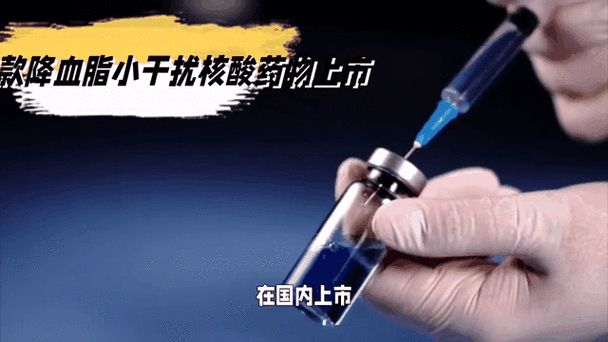
Thus, the six-month short-term oral/multi-drug-resistant tuberculosis treatment programme recommended by the world health organization (the bpal/m programme, which includes beda + potomane+lineazine, with the exception of potomane, which was previously on the domestic market) has officially benefited chinese patients。
Drug-resistant tuberculosis refers to the resistance to one or more of the anti-tuberculosis drugs produced by the fractional fungus of tuberculosis in the patient, and the more serious types of resistance are multi-drugs (both pyrotechnics and lefoplasms) and a wide-ranging drug of resistance (which is also resistant to any type of fluorophenone-type drugs and any type of second-line injection drug) which, because of the difficulty of treatment, is “cancer with wings”。
“drug-resistant tuberculosis is particularly harmful because of the long treatment and spread of drug-resistant tuberculosis. At the same time, because of the complexity of treatment programmes and the high cost of medication, patients are less dependent and the failure rate is higher.” zhang hui said。
Short-range oral drug resistance programmes are expected to avoid the problems described above. According to the cdc micro-letter article, treatment for patients under long-range programmes lasts 18 to 20 months, with 5 to 7 types of drugs and a heavier burden of medication (almost 30 doses per day), while the bpal/m programme has a low use of drugs (3-4 combinations of drugs), short treatment (six months of treatment) and a combination of safety and effectiveness, with a higher success rate of 90 per cent and above。
But zhang hui is concerned about the availability and affordability of new medicines。
She noted from the first financial analysis that, at present, all anti-tuberculosis second-line treatments were covered, with the exception of putomani, but that due to the category b reimbursement, the rate of self-payment was around 50 per cent. Of these, another anti-tuberculosis drug, beddach, is sold at a unit cost of around $8,000/box, and the patient remains under high self-financing pressure. For related reasons, such as the cost of treatment, and despite the nine-month short-range treatment programme, only about 10 per cent of patients currently enrolled in treatment use the short-range programme, while the remaining 90 per cent continue to follow the 18-20-month long-range programme. Today, however, the price of the new drug is not determined and it has not yet been included in the health insurance, so how many patients will benefit from the six-month ultra-short-range treatment programme in the short term, depending on the extent to which the patient is covered by the payment。
Bedaquiline, bdq is the first globally approved anti-tuberculosis drug since the 1970s. It was listed overseas in 2012 and entered the chinese market in 2020. Following bedağan, dramani and putomani were listed globally in 2014 and 2019, respectively, and entered the chinese market in march 2018 and 2024. Three are all anti-tuberculosis drugs that have been approved for listing for almost half a century and are used for the treatment of drug-resistant tuberculosis patients。
It is known that in china, for the prevention and treatment of drug-resistant tuberculosis patients, financial resources are currently being used mainly to support free screening, health insurance and financial support for patients ' treatment, while basic public health services cover the cost of managing drug-resistant patients。
At present, high health resources and high tuberculosis burden areas have increased local financial and cdi resources to finance tuberculosis treatment。
According to the nanjing daily newspaper, in recent days the patient has been provided free of charge by the centre for disease prevention and control of jiangsu province at the second hospital in nanjing city, and free of charge throughout the country。
Jiangsu province has been the first to provide free of charge the main second-line anti-tuberculosis drugs since 2017, when it opened the river of our second-line anti-tuberculosis drugs. Starting in 2020, the province has included the new anti-tuberculosis drugs, beda and linas, in a free catalogue of type ii anti-tuberculosis drugs。
Zhang hui revealed that the treatment success rate for drug-resistant nodules had reached 85 per cent since jiangsu gradually provided some and all second-line drugs free of charge。
“to address the issue of drug security for tuberculosis patients in areas with low health resources requires a multi-pronged effort by the government, society and patients.” zhang weng hong said。
Zhang hui believes that reducing the financial burden of patients is currently a matter of the effectiveness of drug-resistant tuberculosis control. In 2021, the national health insurance institute included tuberculosis in the outpatient system of chronic diseases, using hospitalization management and payment as a basis for exploring local financial assistance at some provincial level, as well as a variety of assistance and charitable policies, but the burden of treatment for drug-resistant tuberculosis patients remains high. As a next step, mechanisms such as drug price negotiations and drug collection still need to be used to guide prices of anti-tuberculosis drugs back to reasonable levels. In addition, there is a need to promote changes in the way health insurance is paid. “for the time being, the treatment of drug-resistant tuberculosis remains in one of the categories of ordinary nodules, while the cost of treatment of ordinary tuberculosis and drug-resistant nodules is far from the same, and the reform of the way of payment has not yet achieved its intended purpose in regulating treatment of drug-resistant nodules.”
The discovery rate is only 50%. Can the resistant nodules end
Although our drug-resistant tuberculosis screening rate exceeded 95 per cent by 2024, the detection rate is still around 50 per cent, as the existing drug-resistant screening is limited to drug-resistant screening of pathogen-positive patients. A further 30 to 40 per cent of the population tested for tuberculosis pathogen are negative. For this group, according to zhang hui, it is still impossible to judge the level of resistance。
This has led to the further spread of drug-resistant nodules - a segment of the population is exposed to a strain of drug-resistant strains released by drug-resistant tuberculosis patients, resulting in infection and eventual morbidity, or so-called primary resistance drugs。
At the same time, with the advent of an ageing society, older persons are also at high risk of tuberculosis, especially those who combine basic diseases such as diabetes. In the event of tuberculosis, this particular population group may be treated for longer periods of time, owing to their relatively poor tolerance, as well as the fact that economic concerns have increased and there have been slippages, and their drug dependence is poor. Once patients are treated for sensitive tuberculosis without strictly prescribed medication, repeated stoppages or self-interruption, there is an opportunity to “refine” resistance in the body, thus producing secondary resistance。
In addition, although short-range treatment programmes have increased the cure of drug-resistant nodules to over 90 per cent. At present, however, the proportion of elderly people among tuberculosis patients in china is rising. Are short-course treatment programmes durable for this particular population group? In the longer term, is it possible that new anti-tuberculosis drugs have also created resistance problems, even at a faster rate than new tuberculosis drugs are developed
All this is about the end of the drug-resistant nodules。
“there are some challenges in co-health.” zhang weng hong said to the first financial analysis that short treatment remained an ideal option for the group of elderly drug-resistant tuberculosis patients who combined basic diseases. However, these patients are often associated with a variety of underlying diseases, such as diabetes, cardiovascular diseases, which may affect their resistance to drugs and their therapeutic effects, and even some basic medicines may interact with anti-tuberculosis drugs, affecting their efficacy or increasing their side effects. In addition, the liver and kidney function of older patients may decline and the metabolic and excretion capacity of drugs may be reduced, leading to drug accumulation and side effects。
He also mentioned that new anti-tuberculosis drugs were likely to face resistance problems in the near future as new drugs were being introduced。
Tuberculosis resistance is now defined as a combination of resistance to traditional anti-tuberculosis pharmacological drugs and isophinos, a situation that, after decades of widespread clinical use of anti-tuberculosis drugs, has been difficult to cope since the 1990s, so that clinical cures for multidrug-resistant tuberculosis have hovered around 50 per cent over the next 20 years. It was not until the advent of a new generation of anti-tuberculosis drugs, such as beida, that nearly 90 per cent of treatment success was achieved again。
“new drugs continue to face drug resistance problems, such as in africa, where drug resistance to beidaquis has emerged. Over time, china has also faced the challenge of drug resistance after new medicines are on the market. The incidence of drug resistance will be relatively contained if new joint treatment programmes are given adequate, regular and complete treatment in the future. If clinical needs are not met because of the availability, affordability, etc. Of drugs, which may result in the patient not being able to use the drugs on a regular basis throughout the course, the incidence of drug resistance is accelerated.” zhang weng hong said。
On the whole, however, zhang man-hong is optimistic about the control of drug-resistant nodules. He analysed that, while the development of new tuberculosis drugs was relatively slow, a series of new medicines were now gradually coming into clinical practice. Moreover, the problem of resistance to new anti-tuberculosis drugs is a matter of concern, but their development is not the only way to end the nodules. Tuberculosis is still effectively controlled and treated through sound treatment programmes, patient management and the development of drug-resistant molecular diagnostic techniques. At the same time, there is a need for increased investment and cooperation in the development of new medicines to meet the challenge of drug-resistant nodules。
The director of the bacteria immunisation unit of the beijing breast hospital of the university of medical sciences of the capital is also of the opinion that the application of ai and new diagnostic tools is expected to benefit early detection of tuberculosis. Especially for china, whether it's a tongue swab or an artificially intelligent computer-assisted reading film technology. Cad has outperformed international products in terms of their performance and even in part。
In view of the role of ai in disease detection, zhuyu explained that, for the time being, the problem of “bacterium” was being addressed, both in the swirl and in the tongue. Because tuberculosis itself is a disease of the immune system, around 40 per cent of patients who are pathologically negative and may be at an early stage of the disease can, based on ai technology, build models by means of blood tests and so on. Similarly, in large-scale crowd screening, ai technology will be able to better map high-risk populations in the future。
At the same time, the aad technology optimizes workflows, improves efficiency, alerts manual readers to abnormal images, provides reporting assistance and quality control, and implements pre-reading aids. “a number of developed provinces in the country are already implementing models of grass-roots film production, artificial intelligence screening of video centres, and the identification of high-level experts. However, policy coordination is needed as the results of the examination are also recognized in the health and health sectors. In addition, the future determination of cad sensitivity and specificity in community screenings and diagnostics at higher hospitals requires careful reflection.” zuyu told the first financial story。
The senior project officer of the gates foundation has revealed that the gates foundation is currently working with the china centers for disease control to find a programme to accelerate the elimination of tuberculosis in china — a set of cost-effective screening and diagnostic tools adapted to china's national conditions, based on the characteristics of the tuberculosis epidemic in china, a comprehensive consideration of new tools found by patients (e. G. Molecular diagnostic tools, swab sampling, cad, etc.) and systemic reforms such as integration with the county-level close medical community. “we hope that, as a result of this series of efforts, we will not only be able to help china find answers, but will also be able to draw lessons for the world.”