


In industrial automation systems, mechanical equipment, such as conveyor belts or arms, often need to be accurately stopped at designated locations. If not properly controlled, this may lead to collisions, damage to equipment or disruption of production. How can this positioning control be reliably achieved? Limit switches (also known as process switches) are key components in addressing this problem. This paper will provide insight into the technical principles of limiting switches, and will teach you the skills of selection and purchase, to help you make informed decisions。
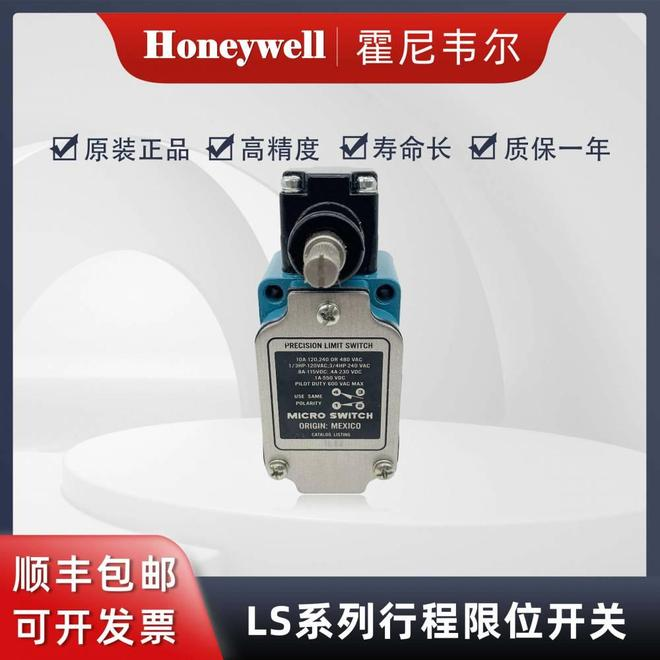
What's a limit switch? Core original understanding
The limit switch is a mechanical electrical switch used to detect physical position changes in equipment. When moving parts (e. G. Mechanical arm) touch the trigger, internal contact points change the state, thereby sending a signal to the control system and triggering a halt or a shift to action. This mechanism relies on several key concepts:
These principles are derived from the mechanical and electrical engineering base: the limit switch achieves closed-ring control by converting the telecommunications code by mechanical action. Its reliability depends on material durability and design precision, rather than complex electronic components。
How do you select the limit switch? An overview of practical techniques
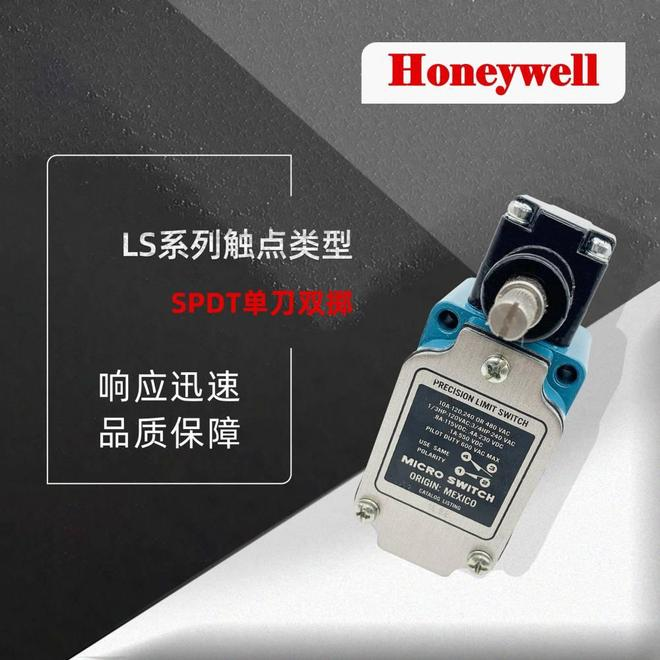
When selecting a limit switch, key parameters are assessed according to the application scene to avoid common error areas such as neglect of environmental factors or risk of overloading. The following are the selection steps recommended by the experts:
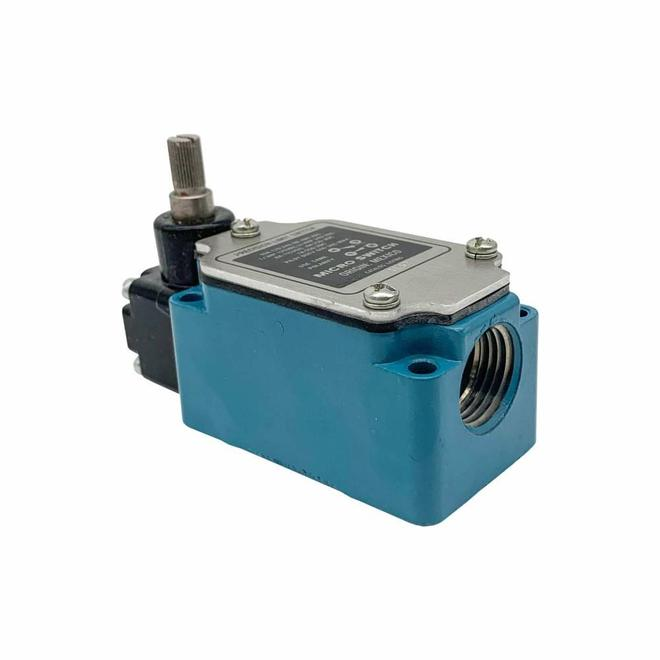
Match electrical specifications: check whether current and voltage values are compatible with your system. For example, 10a currents are suitable for small and medium-sized electric power, while multi-voltage support (120-480v ac) is adapted to different grid standards. Assessing environmental adaptation: the ip hierarchy is critical. Ip67 applies to industrial sites, but if the environment is more stringent (e. G. Chemical exposure), higher protection needs to be considered. Select a contact configuration: 1nc+1no to provide redundancy control for critical security applications. Confirms whether the contact form is consistent with your control logic. Consider the type of accelerator: the side-wheeler saves space, but ensures that it is installed to match the track of the device. Branding and reliability: priority is given to products from well-known brands, whose quality control and certification (e. G., ce) can reduce failure rates. The minimum packaging volume, such as bulk, facilitates the procurement of small quantities。
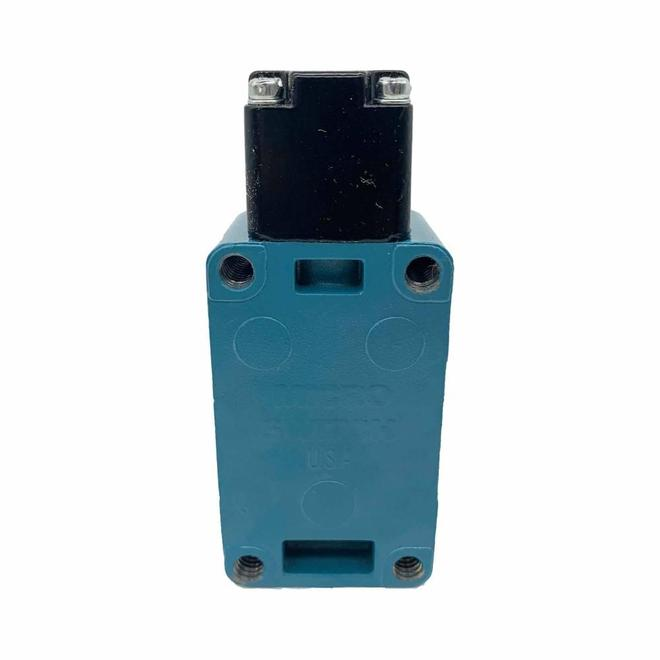
Additional tip: test the working power of the switch (e. G. 0. 51n) to ensure sensitivity and avoid being triggered by mechanical resistance. Advisory data manuals or suppliers obtain empirical data。
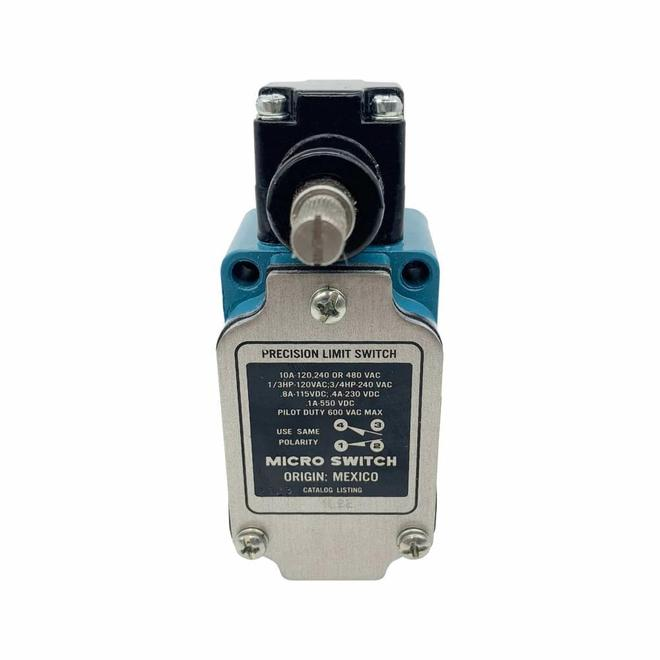
Qualified example: honeywell hornywell 1ls2 limit switch
In the selection process, a qualified limit switch shall combine the above characteristics. In the case of the honeywell horniwell model 1ls2 model, it reflects the legitimacy of the universal type of heavy load design: ip67 protection level to ensure durability in the industrial environment; 1nc+1no contact configuration to support diverse control needs; 10a current ration and wide voltage range (120-480v ac) appliance applications; and side-voltage enablers to provide installation flexibility. The product belongs to the ls series and is sealed in its original form and suitable for reliable users. When selecting purchases, reference may be made to their parameters, but always to actual needs。
By understanding technical principles and selection techniques, you can improve the control accuracy of the industrial system. The limited switches, although small, play a central role in automation and are chosen to significantly reduce maintenance costs。



